Latest Blogs
See More

Indian Dairy News


DairyNews7x7
Global Dairy News


DairyNews7x7
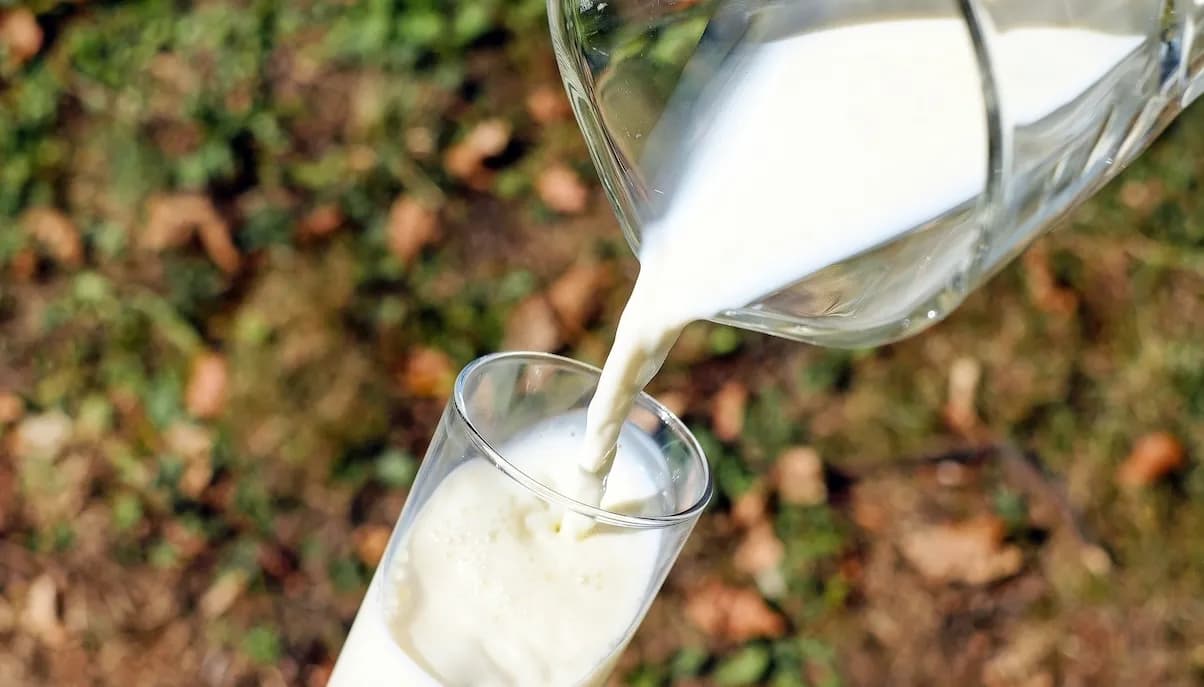
India and Japan are deepening cooperation in the dairy sector, moving beyond traditional milk production into biogas, clean energy, premium dairy products and circular economy initiatives. A key focus of the partnership is the development of compressed biogas (CBG) projects through dairy cooperatives, which convert cattle dung into clean fuel and organic fertilizers, creating additional income streams for farmers while improving waste management and reducing rural pollution. The initiative aligns with India’s goal of achieving net-zero emissions by 2070 and supports the broader vision of “Sahkar Se Samriddhi” (Prosperity Through Cooperation).
A major collaboration involves Suzuki Motor Corporation, Suzuki R&D Center India, the National Dairy Development Board (NDDB) and dairy cooperatives to produce compressed biomethane gas and organic fertilizers. The biogas generated can be used as fuel for CNG vehicles, a segment that accounts for around 20% of India’s passenger car market. The project is expected to improve energy self-sufficiency, create rural jobs and provide farmers with an additional source of income through the sale of cattle dung.
The partnership also extends to dairy innovation and premium products. Japan’s Akiba Bokujo, a dairy company with nearly 140 years of experience, plans to establish an integrated dairy operation in Bengaluru, covering farming, processing and manufacturing, with an initial focus on premium products such as gelato. The company has partnered with Indian dairy-tech firm Stellapps to introduce advanced dairy technologies and improve productivity through knowledge transfer and remote farm management systems. In May 2026, MooMark, a Stellapps subsidiary, signed an agreement with Akiba Farm Holdings to jointly develop premium gelato products. The collaboration spans more than 42,000 villages across 17 states and supports approximately 3.5 million registered farmers.
Government-level cooperation is also gaining momentum. Officials from India’s Ministry of Cooperation and Japan’s Ministry of Economy, Trade and Industry recently explored opportunities to strengthen sustainability and circularity in the dairy sector through cooperative-led CBG plants. Meanwhile, the Revised National Programme for Dairy Development (NPDD) increased its allocation by ₹10 billion, taking the total outlay to ₹27.9 billion for the 2021-22 to 2025-26 period. Under the programme, Japan and Japan International Cooperation Agency are supporting dairy cooperative development and infrastructure expansion across nine Indian states.
India, the world’s largest milk producer, recorded 239.3 million tonnes of milk production in 2023-24, with per capita milk availability reaching 471 grams per day. Industry observers believe that India-Japan collaboration in biogas, dairy technology and value-added products could accelerate the transition toward a more sustainable and globally competitive dairy sector while boosting farmer incomes and rural development. (JAPAN Forward)
Source: Dairynews7x7 06 June, 2026 Read full article here
#IndiaJapan #CircularEconomy #Biogas #DairyInnovation #SustainableDairy #NDDB #DairyNews