Latest Blogs
See More
Indian Dairy News
DairyNews7x7
Global Dairy News

DairyNews7x7
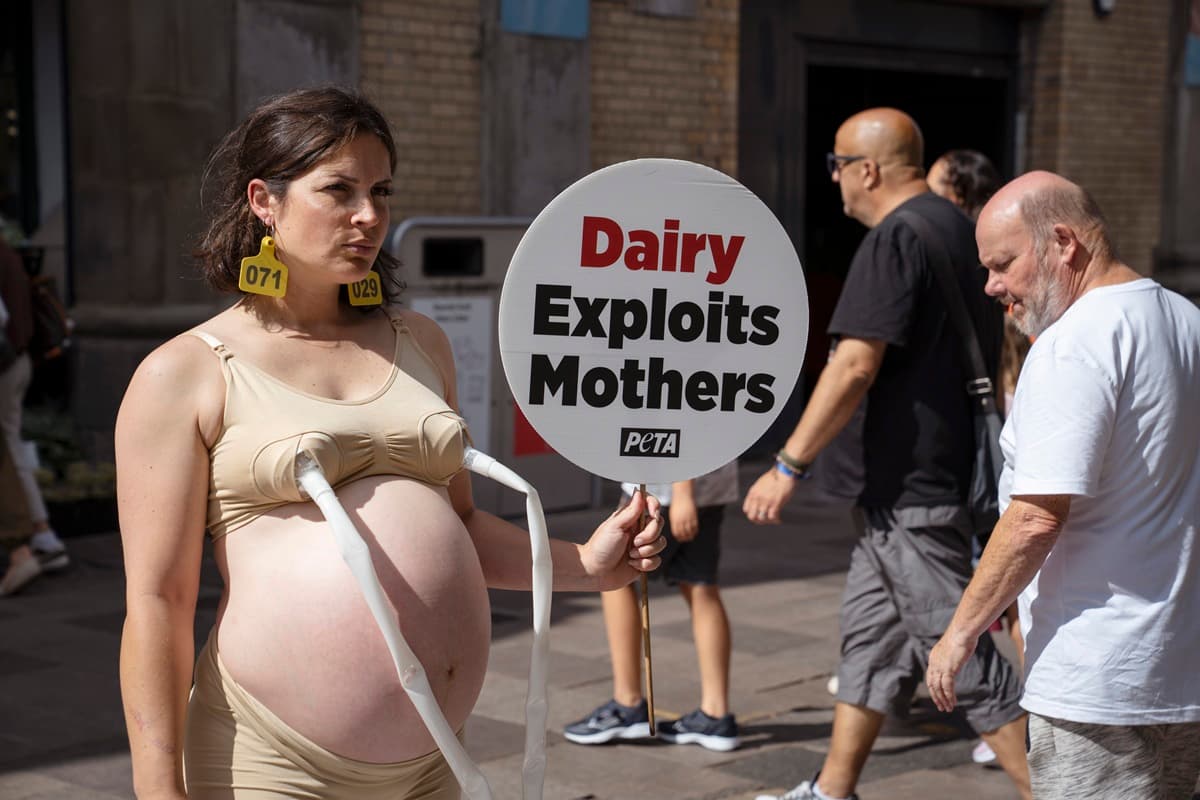
There’s no disputing the industrial dairy complex is problematic, particularly when it comes to fighting the climate crisis. Dairy farms across the world are a major contributor to the total greenhouse gas emissions over the life cycle of milk and other dairy products. We’re profiling four alternative dairy startups from around the world that are looking to take cows out of the equation while creating milk for a sustainable future. From precision fermentation to cellular agriculture specialisms, these companies are using the latest technologies to reshaping how milk is produced.
All four companies participated in the Mylcubator Programme , a six month incubation programme by Pascual Innoventures. Alternative dairy is becoming a highly competitive field, thanks to success stories such as California-based Perfect Day, which has pioneered animal-free dairy ice cream, cream cheese and milk. As demand rises for conventional products, the race to bring new ethical and climate-friendly alternatives to market is firmly on.
The environmental implications of such a surge come at a pertinent time, after a damning IPCC report that stated a categorical need for new food systems based on alternative proteins . Animal agriculture uses vast amounts of land, water, and energy. This generates emissions, both carbon and methane , that contribute significantly to the earth’s warming.
Though there is widespread acceptance that alternatives are needed, certain countries appear reluctant to embrace animal-free terminology. New Zealand recently opposed a motion to have ‘plant-based diets’ referred to in the IPCC Action Plan summary. It was supported by India and Kenya. Milked, a newly released documentary , shines a light on the ethical and environmental disasters of the New Zealand dairy industry and makes the case for alternatives succinctly.

The startup bagged an undisclosed amount of pre-seed funding in December last year, to support its R&D phase. It is now manufacturing high-value proteins for B2B supply.
The company cites its positive impact as being four-fold: healthier dairy, animal welfare and climate friendliness. It uses 98 percent less water than conventional dairy during production.

The startup draws focus on the environmental and ethical downsides of dairy farming. It claims that of 7.6 billion people on earth, six million consume conventional dairy. Instead of increasing dairy production to meet the demands of a growing population, it suggests precision fermentation as a clean and sustainable alternative.