Logo
IndianGlobalBlogsPublicationsPodcastsMarketAboutContact
Logo
IndianGlobalBlogsPublicationsPodcasts
7News
Dairy Minister Telangana with Chairman Vijaya visit NDDB AnandScale up India’s dairy cooperative model: Sunita NarainHyderabad Raid Busts ₹18.26 Lakh Fake Ghee UnitNZ Seeks Opposition Support to Advance India Free Trade AgreementMiracle Boy” -"Deepak Patel" Boosts Dairy Productivity in Gujarat

Indian Dairy News

Punjab Budget Boosts Dairy, Crop Diversification
Mar 09, 2026

Punjab Budget Boosts Dairy, Crop Diversification

The Punjab Budget 2026-27 has allocated ₹15,377 crore for agriculture and allied sectors, with several measures aimed at strengthening farming, dairy and sustainable agriculture, according to Agricult...Read More

Can Indian Dairy Grow Without More Milk?
Mar 09, 2026

Can Indian Dairy Grow Without More Milk?

India’s dairy sector is facing a critical question—whether the industry can continue expanding without significantly increasing milk production volumes. India is already the world’s largest milk produ...Read More

Telangana Plans Milk for Govt School Students
Mar 09, 2026

Telangana Plans Milk for Govt School Students

The Telangana School Education Department has proposed serving milk to students in government and local body schools from the next academic year as part of efforts to improve child nutrition. Accordin...Read More

DairyNews7x7
Advertisement

Latest Blogs

See More
Milk Prices Rise in South & West: Is North Next?
Mar 05, 2026

Milk Prices Rise in South & West: Is North Next?

The recent round of retail milk price increases across South India and Maharashtra is no longer an episodic adjustment but a clear signal of structural stress building up in India’s milk economy. Over...Read More

India’s Dairy Climate Paradox: Production Triumph Meets Methane Time-Bomb
Mar 02, 2026

India’s Dairy Climate Paradox: Production Triumph Meets Methane Time-Bomb

India’s rise to the top of the global dairy league board has been one of the most remarkable agricultural success stories of the 21st century. With milk production surpassing 247 million tonnes per ye...Read More

India’s First Cow Culture Museum in Mathura
Feb 16, 2026

India’s First Cow Culture Museum in Mathura

India’s first national “Cow Culture Museum” is set to be established in Mathura, Uttar Pradesh, on the campus of Pandit Deendayal Upadhyaya Veterinary Science University, announced the Uttar Pradesh B...Read More

Why India’s Dairy Needs a National Fodder Grid ?
Feb 15, 2026

Why India’s Dairy Needs a National Fodder Grid ?

Recently, I moderated the Farmer's session at 52nd DIC. While deliberating on pathways for Kerala to move towards milk self-reliance, K S Mani, Chairman of Milma, articulated a compelling thought: jus...Read More

Global Dairy News

Argentine Dairy Exports Surpass Beef
Mar 09, 2026

Argentine Dairy Exports Surpass Beef

Argentina’s dairy industry recorded a significant milestone as dairy exports surpassed beef exports for the first time, highlighting the growing importance of milk products in the country’s agr...Read More

Farmers Demand Tariffs on Cheap Dairy Imports
Mar 09, 2026

Farmers Demand Tariffs on Cheap Dairy Imports

Dairy farmers in Serbia have warned that cheap imports of milk and cheese are threatening the survival of domestic producers, calling for the government to introduce import tariffs and other protectiv...Read More

FrieslandCampina Sets Strategic Priorities for 2026
Mar 09, 2026

FrieslandCampina Sets Strategic Priorities for 2026

Dutch dairy cooperative FrieslandCampina has outlined key strategic priorities for 2026 as it looks to strengthen resilience, expand its market reach and focus on higher-value dairy segments after a c...Read More

DairyNews7x7
Advertisement
Dairy News 7x7

Your trusted source for all the latest dairy industry news, market insights, and trending topics.

FOLLOW US
CATEGORIES
  • Global News
  • Indian News
  • Blogs
  • Publications
  • Podcasts
SUBSCRIBE TO OUR NEWSLETTER

Stay informed with the latest updates and trending news in the dairy industry.

No spam, unsubscribe at any time

GET IN TOUCH
C-49, C Block, Sector 65,
Noida, UP 201307
+91 7827405029dairynews7x7@gmail.com

© 2026 Dairy News 7x7. All Rights Reserved.

Terms of ServicePrivacy Policy
Prefer Us
Prefer Us

Eating locally grown foods seasonally is more environment friendly

By DairyNews7x7•Published on November 05, 2021

Eating locally grown foods seasonally is more environment friendly
Prefer on

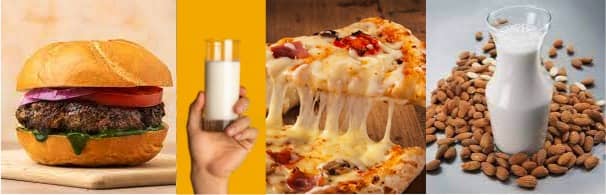
The climate crisis is well and truly here, as we all know, and it’s only natural to wonder how we are all contributing to it. What we eat has far-reaching effects on the environment and the journeys our foods undertake to get to our plates can tell us a lot about climate change. From the usual suspects of meat and milk to trendy foods like avocado and plant-based ‘milk’, here’s an explainer on how what you eat affects climate change.

Meat

We’ve all been hearing about the effects of meat on the environment. Livestock raised for meat consumption are one of the biggest contributors to greenhouse gas emissions globally. A 2018 study found that overall, beef and lamb have the highest average greenhouse gas impact per 50 grams of protein, as compared to pork, farmed fish and crustaceans, poultry and eggs. But it’s also important to understand that this may vary from region to region, depending on the farming practices in use. In India, livestock is not reared majorly by big meat businesses, but by big, small and marginal farmers, who heavily depend on the animals for their livelihoods. While the fact remains that meat consumption does negatively affect the environment, understanding this context before switching to protein alternatives like soy—which has its own downsides, like deforestation and high resource use—can help make better choices.

What you can do: If you can and are willing, consider reducing your consumption of red meat. Chicken and eggs have a relatively lower footprint and when it comes to seafood, eating seasonally helps. In season Fish is a collective that puts together a monthly calendar of alternate seafood options based on fish breeding patterns that you can follow to eat better. There are also a variety of mock meat alternatives coming up in India that you can try.

Dairy

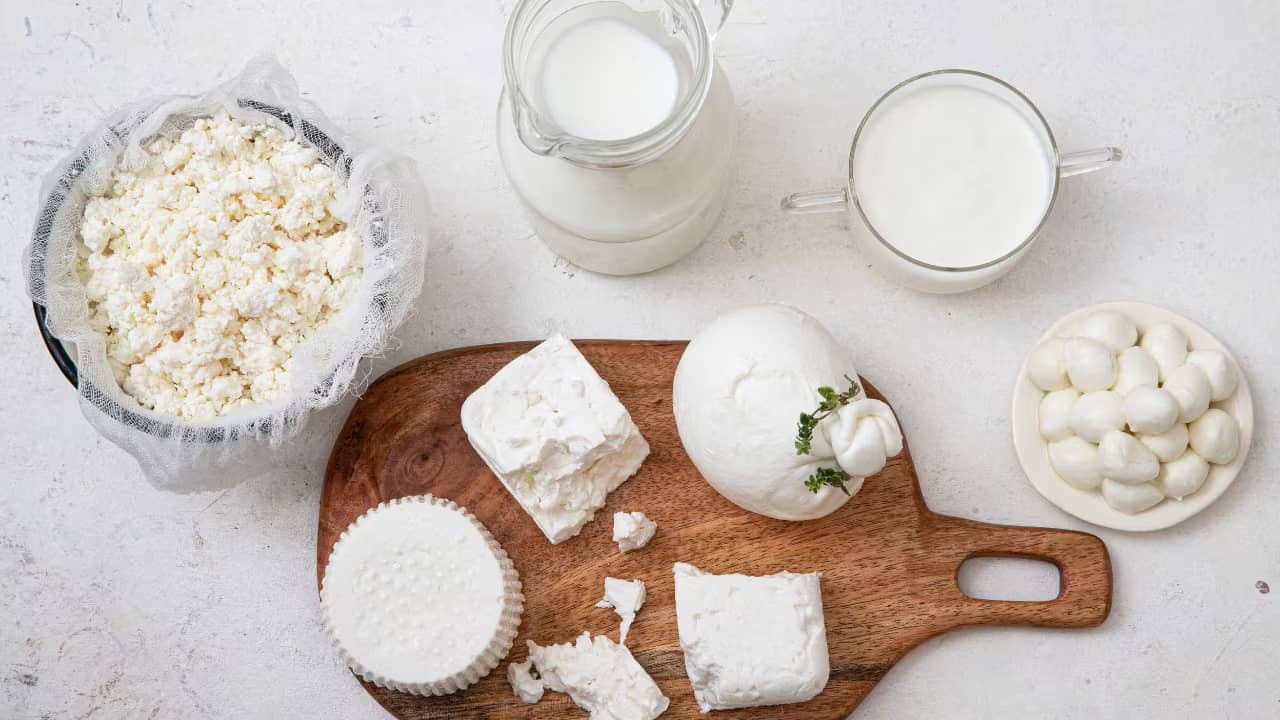
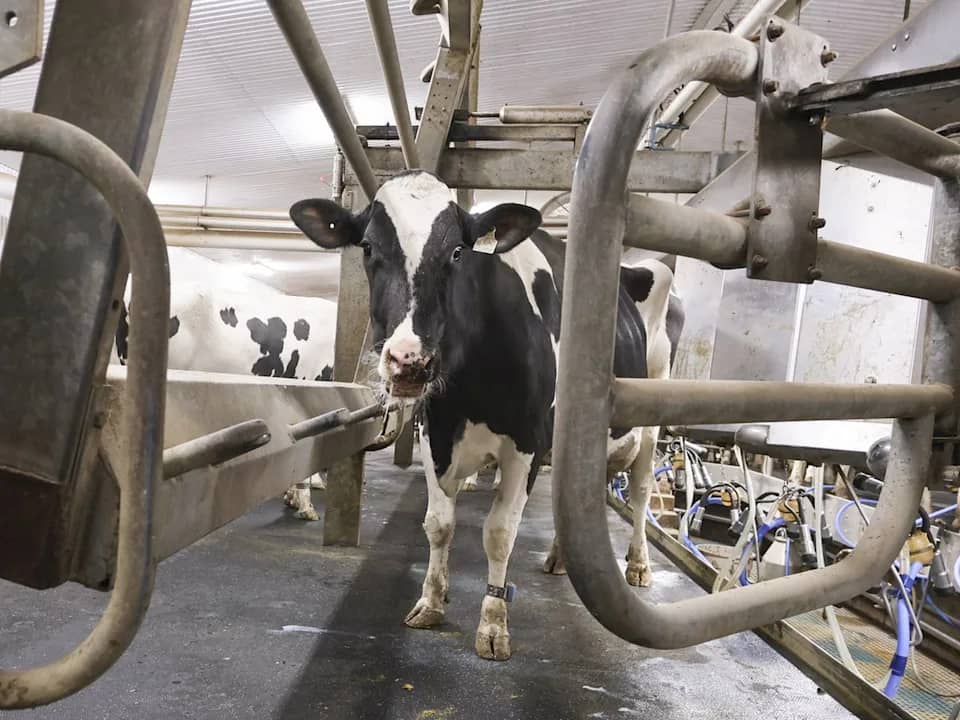
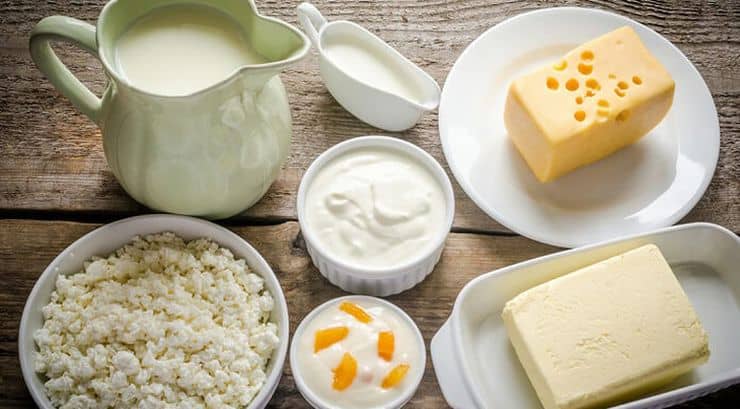
Like meat, dairy has a large impact on the environment. But when it comes to dairy, milk itself isn’t the problem. Instead, the problem lies in the growing cattle population, the gases they emit and the land that is cleared out to feed them. Some studies show that cheeses like cheddar and mozzarella have a larger footprint than milk, since a large amount of milk is typically needed to produce a small amount of cheese. What you can do: Giving up milk can be especially tricky, given the many cultural connotations and diverse uses it has in India, not to mention the livelihoods that depend on it. But you can always opt for more environmentally friendly milk that is unadulterated, non-pasteurized and organic. You can even switch to plant-based ‘milk’—scroll down for more on that—and opt for Indian Cheese Brands rather than imported ones.

Plant-based ‘milk’

Don’t get us wrong—milk alternatives are better for the environment than milk. In fact, a 2018 study  by the University of Oxford found that producing a glass of milk leads to almost three times more greenhouse gas emissions than a glass of plant-based milk. However, not all plant-based milks are equally effective in reducing environmental damage. While almond milk is a popular alternative, it’s important to know that the production of almonds requires more water than any other milk alternative. And if the almonds for your milk are imported from the US, they are doing major damage to bees in the region. Commercial bees are used to pollinate almonds and improve yield, leading to high bee mortality rates due to diseases and exposure to pesticides. To meet the demand for coconut milk, labourers in places like India, Indonesia and the Philippines suffer exploitation, not to mention deforestation for land use. Soy milk has a similar story, with forests being cleared out for production.

What you can do: The picture may not seem too hopeful, but there are better alternatives out there. Oat milk has a lower environmental impact—with lower land and water requirements. And even if you choose a different plant-based milk, it’s a start—all plant-based milks have a lower ecological footprint than regular milk.

Stay Updated

Get the latest dairy industry news directly in your feed.

Prefer Us on Google Search

Swipe to continue reading

Previous Article

Next Article