Brazil’s semi-arid Northeast, home to the country’s largest concentration of donkeys, is being highlighted as a potential hub for higher-value donkey milk products, particularly cosmetics. The opportunity is gaining attention as businesses in Europe and Chile develop creams, soaps, shampoos and conditioners using donkey milk, creating new possibilities for diversification within the region’s donkey production chain.
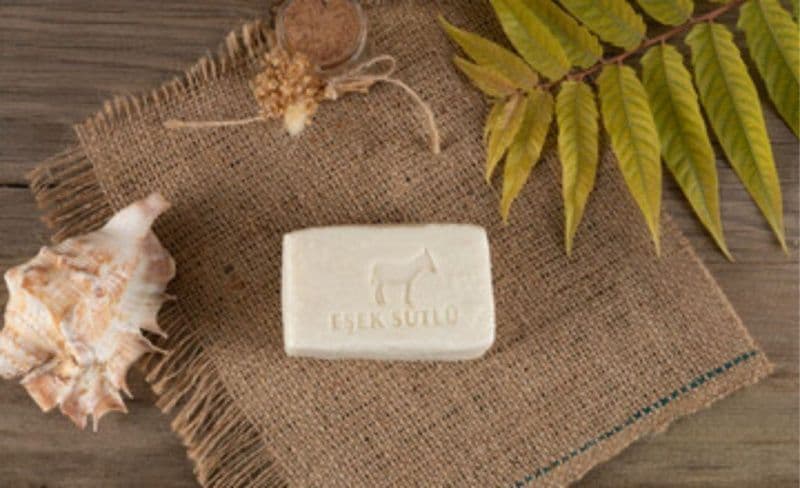
In France, Ém’ane incorporates fresh donkey milk into its cosmetic formulations, with the ingredient accounting for up to 10% of some creams and 15% of its soaps. Belgium’s Naturâne uses milk from its own herd, while companies in Italy and other European countries operate with different production and sales models as the market develops.
The Chilean company Feld Esel, founded by entrepreneur Paula Saez, produces creams, soaps, shampoo and conditioner using milk collected from her own property, where she raises six donkeys. Saez recently presented the business at Expointer, an agricultural fair in Esteio, Rio Grande do Sul, Brazil. She said consumers initially had limited familiarity with donkey milk cosmetics, but acceptance has been positive, with customers returning to purchase products. Buyers have particularly highlighted moisturisation and improved skin elasticity, according to the entrepreneur.
Researchers are also investigating donkey milk’s cosmetic applications. The milk contains fatty acids, vitamins and amino acids, while experimental studies are examining formulations intended to moisturise and protect the skin, as well as possible effects on the skin barrier and photoageing.
According to zootechnician and agricultural administrator Alex Bastos, the European market and the Chilean example offer useful references for Brazil’s semi-arid region. Donkey milk production could become an additional activity alongside breeding, genetic selection and reproduction, helping create higher-value products and new income opportunities for producers. However, developing such a model in Brazil would require suitable animal management, selection for milk-producing ability, technical assistance, sanitary controls and compliance with Brazilian regulations.
For Brazil’s Northeast, the development highlights a potential route to diversify donkey farming and create value from a resource historically associated with work and transportation. The emergence of donkey milk cosmetics demonstrates how niche dairy applications, supported by research, product development and responsible production systems, may open new opportunities in the wider livestock and agricultural economy.
Source: Dairynews7x7 14 Sep, 2026 Read full story here
#DairyIndustry #DonkeyMilk #DairyInnovation #CosmeticsIndustry #BrazilAgriculture #ValueAddedProducts #DairyNews7x7