






In the early hours of a typical morning in a bustling Bangalore household, a mother pours a glass of milk for her child—not with uncertainty, but with quiet assurance. Unlike previous generations, her confidence is not based solely on brand trust, but on verifiable information. A simple scan of a QR code on the milk packet provides comprehensive details: the origin of the milk, the feeding practices of the animal, the date of packaging, and the results of all safety inspections. This scenario reflects the emerging future of the Indian dairy sector—one where transparency is not a privilege afforded by select brands, but a standard practice embedded in the industry’s framework.
India is the world’s largest milk producer, contributing over 24 per cent to global output, with more than 230 million tonnes of milk annually. Yet, this massive production is largely decentralized, powered by over 80 million small and marginal farmers who each own two to three animals on average. This decentralization, while inclusive, creates a fragmented supply chain where visibility and traceability are limited. Unlike Western markets where integrated cold chains and digitized infrastructure are standard, Indian dairy often navigates through unorganized middlemen, bulk transport without quality checks, and opaque procurement systems. For a consumer today, tracing the origin and quality of their daily glass of milk is still more hope than certainty.
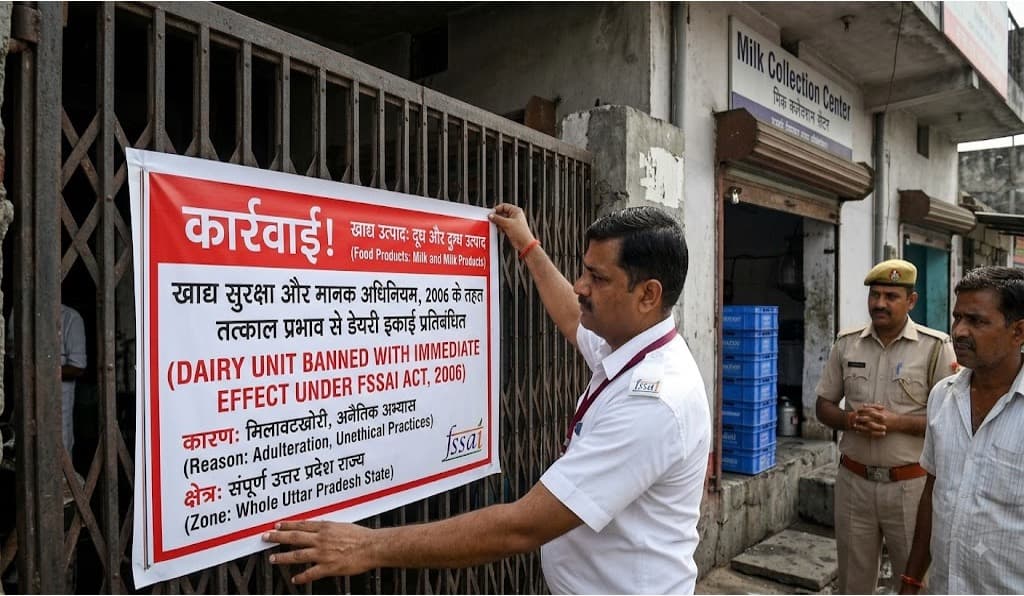
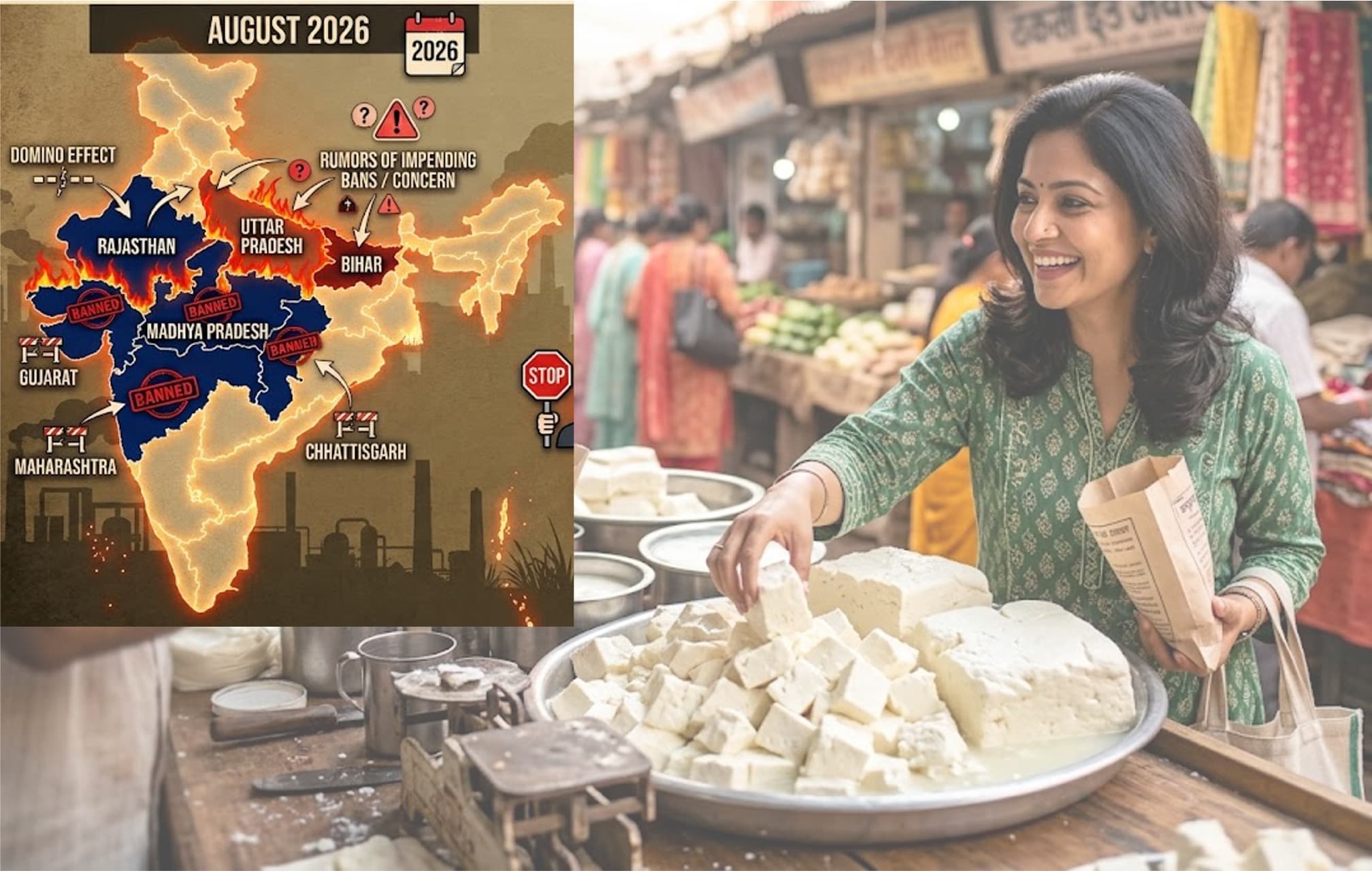
This lack of traceability has far-reaching consequences. For starters, it leaves room for adulteration, a chronic issue that continues to dent consumer trust. A 2022 FSSAI report found that over 30 per cent of milk samples tested in urban India failed quality parameters due to contamination or dilution. According to ASSOCHAM, the Indian dairy industry loses nearly Rs 10,000 crore annually due to adulteration and spoilage. For export markets, where traceability is non-negotiable, this becomes a barrier. And for farmers, especially those producing high-quality milk, lack of differentiation means no premium pricing. The problem isn’t just technological, it’s structural.
But the momentum is shifting. The traceability movement in India is slowly taking root, aided by both policy and innovation. The National Dairy Development Board (NDDB) has begun piloting data-centric solutions, and a growing number of technology players are using IoT, machine learning, and blockchain to digitize the dairy supply chain. In some digitally enabled supply chains, data is captured in real-time using smart sensors and cloud connectivity, making it possible for a milk packet to carry a digital QR code that reveals its entire journey to the consumer.
One of the most underestimated benefits of such traceability systems is farmer empowerment. When farmers are connected to digital platforms, they gain access to insights on animal health, breeding, and nutrition, which directly impacts productivity. Importantly, it also creates a data trail that enables better credit scoring, insurance access, and targeted subsidies building financial inclusion into the dairy ecosystem. Traceability, in this sense, is not just a consumer tool; it’s a farmer empowerment engine.
However, challenges persist. First, there’s the digital divide. Not every farmer owns a smartphone or has access to a stable internet. Second, the cold chain infrastructure required for real-time quality monitoring is still inadequate in many parts of rural India. According to the National Centre for Cold Chain Development (NCCD), India has only 36 per cent of the required cold storage capacity for perishables. And third, interoperability across different platforms, private and public, is still in its infancy. For traceability to work at scale, we need unified data standards, public-private data-sharing protocols, and most importantly, policy support that encourages and incentivizes transparency.
The good news is that these gaps are not insurmountable. India has already demonstrated what is possible with digital public infrastructure, from Aadhaar to UPI. If we can extend a similar model to dairy, an open, secure digital layer for milk traceability, we can unlock exponential gains. Government support through schemes like Rashtriya Gokul Mission and e-Gopala App is a step in this direction, but needs greater scale and synergy with private sector innovations.
The way forward lies in co-creation. Policy must meet the platform. Farmers must become data creators. Consumers must be empowered to demand transparency. And innovators must continue to build tech that is not just smart, but inclusive. Imagine a future where a mother in Bangalore scans a QR code on a milk pack and knows not just when the milk was packed, but which village it came from, how the animal was treated, and how fairly the farmer was paid. That future isn’t far off. But it will require collaboration, courage, and continued innovation.
India doesn’t just need more milk, it needs better milk, delivered through better systems. The journey from cow to consumer must be visible, verifiable, and value-driven. Because in the dairy of tomorrow, trust will be the real currency.
Source : DAirynews7x7 June 18th 2024 Nuffoodspectrum