Logo
IndianGlobalBlogsPublicationsPodcastsMarketAboutContact
Logo
IndianGlobalBlogsPublicationsPodcasts
7News
Mandatory Daily Record of Production and Raw Material UtilisationHeritage Foods inaugurates new Ice Cream PlantFSSAI makes registration to all milk vendors in IndiaGujarat Ice Cream Makers Face Cone ShortageSummer Heat to Stress India’s Dairy Cold Chain

Indian Dairy News

FSSAI Licences Get Perpetual Validity
Mar 14, 2026

FSSAI Licences Get Perpetual Validity

India’s food regulator, the Food Safety and Standards Authority of India (FSSAI), has announced a major reform granting perpetual validity to food licences and registration certificates, eliminating t...Read More

Dairy Sector a ‘Safety Net’ for Farmers: NABARD
Mar 14, 2026

Dairy Sector a ‘Safety Net’ for Farmers: NABARD

The Chairman of National Bank for Agriculture and Rural Development, Shaji K V, has highlighted the crucial role of India’s dairy industry in protecting rural livelihoods, describing it as a “safety n...Read More

Bihar Dairy Officer Arrested in ₹30,000 Bribery Case
Mar 14, 2026

Bihar Dairy Officer Arrested in ₹30,000 Bribery Case

A field officer of the district dairy development department in Bihar was arrested by the Vigilance Investigation Bureau (VIB) for allegedly accepting a bribe of ₹30,000 in West Champaran district. Th...Read More

DairyNews7x7
Advertisement

Latest Blogs

See More
Mandatory Daily Record of Production and Raw Material Utilisation
Mar 14, 2026

Mandatory Daily Record of Production and Raw Material Utilisation

I recently reviewed the notification issued by the Food Safety and Standards Authority of India in the context of Schedule IV of the Food Safety and Standards (Licensing and Registration of Food Busin...Read More

FSSAI makes registration to all milk vendors in India
Mar 13, 2026

FSSAI makes registration to all milk vendors in India

The recent advisory issued by Food Safety and Standards Authority of India (FSSAI) mandating registration of milk vendors is a timely and progressive step towards strengthening traceability and accou...Read More

Rajahmundry Milk Incident: Accident or Adulteration?
Mar 10, 2026

Rajahmundry Milk Incident: Accident or Adulteration?

The recent editorial “Bitter Milk” published by The Hindu raises important concerns about food safety in India. The editorial deserves appreciation for attempting to broaden the conversation and under...Read More

Milk Prices Rise in South & West: Is North Next?
Mar 05, 2026

Milk Prices Rise in South & West: Is North Next?

The recent round of retail milk price increases across South India and Maharashtra is no longer an episodic adjustment but a clear signal of structural stress building up in India’s milk economy. Over...Read More

Global Dairy News

Global Dairy Commodity Prices Show Signs of Rally
Mar 14, 2026

Global Dairy Commodity Prices Show Signs of Rally

Global dairy commodity prices have shown a rally in the first quarter of 2026, particularly for products originating from Australia and New Zealand, according to a new Q1 Global Dairy Quarterly report...Read More

How Walmart Keeps Great Value Milk So Affordable
Mar 14, 2026

How Walmart Keeps Great Value Milk So Affordable

Retail giant Walmart has managed to keep the price of its private-label Great Value milk significantly lower than many competing brands through a vertically integrated dairy supply chain and direct co...Read More

Lactose-Free Milk Seen as Growth Driver in Coffee
Mar 13, 2026

Lactose-Free Milk Seen as Growth Driver in Coffee

Lactose-free milk is emerging as a major growth opportunity for the dairy industry, particularly in the rapidly expanding coffee and café segment. A recent US-based study highlighted that lactose-free...Read More

DairyNews7x7
Advertisement
Dairy News 7x7

Your trusted source for all the latest dairy industry news, market insights, and trending topics.

FOLLOW US
CATEGORIES
  • Global News
  • Indian News
  • Blogs
  • Publications
  • Podcasts
SUBSCRIBE TO OUR NEWSLETTER

Stay informed with the latest updates and trending news in the dairy industry.

No spam, unsubscribe at any time

GET IN TOUCH
C-49, C Block, Sector 65,
Noida, UP 201307
+91 7827405029dairynews7x7@gmail.com

© 2026 Dairy News 7x7. All Rights Reserved.

Terms of ServicePrivacy Policy
Prefer Us
Prefer Us

Climate change is coming for your cheese

By DairyNews7x7•Published on June 12, 2025

Climate change is coming for your cheese
Prefer on

By affecting cows’ diets, climate change can affect cheese’s nutritional value and sensory traits such as taste, color and texture. This is true at least for Cantal — a firm, unpasteurized cheese from the Auvergne region in central France, researchers report February 20 in the Journal of Dairy Science.

Cows in this region typically graze on local grass. But as climate change causes more severe droughts, some dairy producers are shifting to other feedstocks for their cows, such as corn, to adapt. “Farmers are looking for feed with better yields than grass or that are more resilient to droughts,” but they also want to know how dietary changes affect their products, says animal scientist Matthieu Bouchon.

For almost five months in 2021, Bouchon and colleagues at France’s National Research Institute for Agriculture, Food and Environment tested 40 dairy cows from two different breeds — simulating a drought and supplementing grass with other fodder, largely corn, in varying amounts.

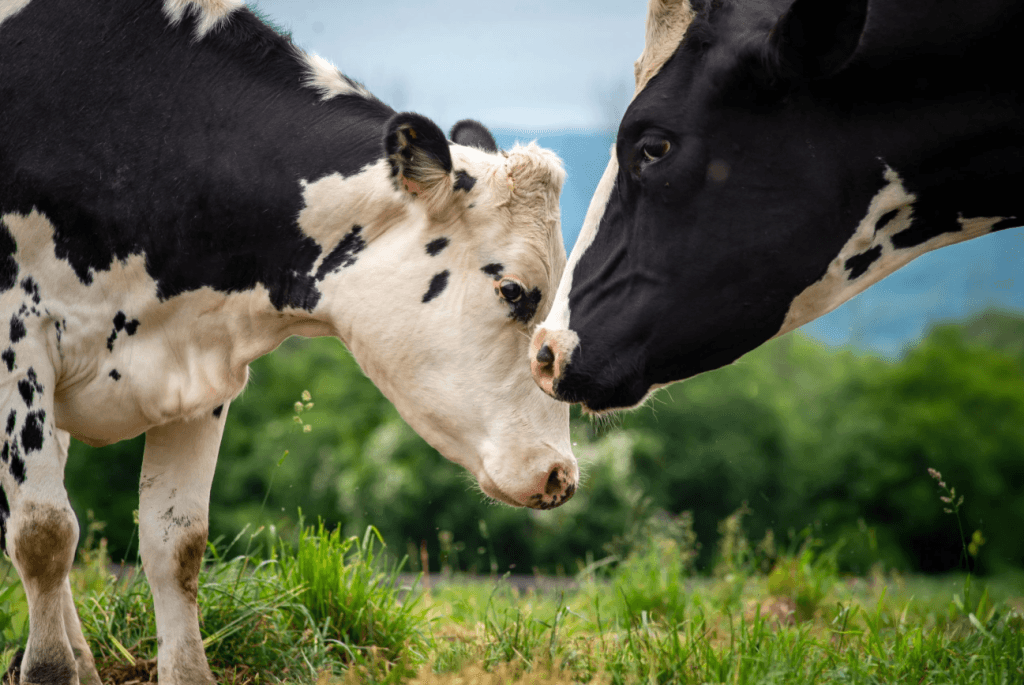
A photo of a dairy cow in France
The research team tested climate-adapted diets on cows, like the one seen here, at France’s National Research Institute for Agriculture, Food and Environment.INRAE/Matthieu Bouchon
The team sampled milk from all cows at regular intervals. Milk’s fatty acid and protein profiles impact cheese formation, melting qualities and nutrition, so the researchers chemically identified distributions of those molecules with a technique called gas chromatography. They also identified beneficial microbes in the milk by making Petri dish cultures.

They found that a corn-based diet did not affect milk yield and even led to an estimated reduction in the greenhouse gas methane coming from cows’ belching. But grass-fed cows’ cheese was richer and more savory than that from cows mostly or exclusively fed corn. Grass-based diets also yielded cheese with more heart-healthy omega-3 fatty acids and higher counts of probiotic lactic acid bacteria. The authors suggest that to maintain cheese quality, producers should include fresh vegetation in cows’ fodder when it is based on corn.

Experts not involved with the study point out that warming climates impact cattle physiology as well as feed quality. “Cows produce heat to digest food — so if they are already feeling hot, they’ll eat less to lower their temperature,” says Marina Danes, a dairy scientist at the Federal University of Lavras in Brazil.

The animals also divert nutrients to their immune systems to respond to heat-caused cell stress. “This process spirals into immunosuppression, leaving the animal vulnerable to disease,” Danes adds.

Producers in warmer places like Brazil are used to heat and droughts. But “rain periods are getting shorter and more concentrated in these past few years, and hotter seasons are getting longer,” says Gustavo Abijaodi, a dairy producer in Belo Horizonte, Brazil. He’s changing his dairy system from open grazing to indoor herding to help make the cattle more comfortable.

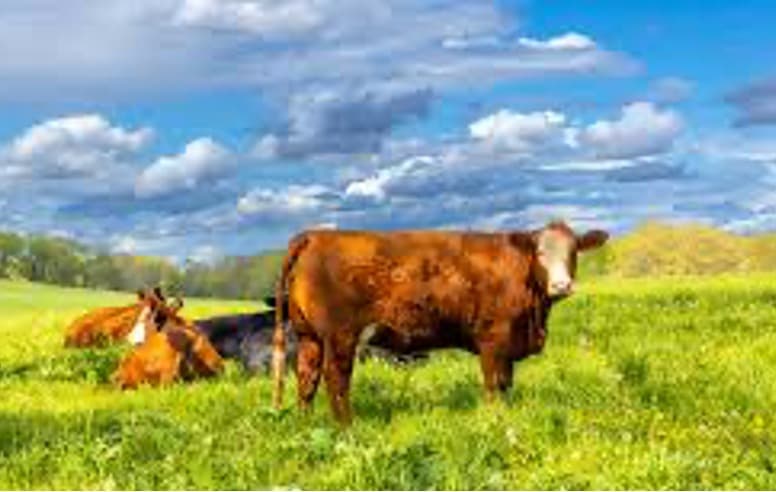
A photo of cows grazing in a field
Grass-fed cows’ cheese was richer and more savory than that from cows mostly or exclusively fed corn, the study authors report.INRAE/Christophe Maitre
“We were having lots of problems with milk protein and fat content due to the heat,” Abijaodi says. “If we can stabilize heat effects, the cattle will respond with better and more nutritious milk.”

The sector is also betting on different feed mixes to avoid the loss of milk quality, Bouchon’s team observed.

“The problem with the study is they increased the starch levels in the feed,” says Marcus Vinícius Couto, technical coordinator at the Central Cooperative of Rural Producers, an association of agricultural producers in Belo Horizonte. Starch is a challenge to digest for the first and largest compartment of a cow’s stomach — the rumen — where food ferments and plant fibers get broken down.

“We’re using feed with controlled starch levels,” as well as fat, hay and cottonseed fibers, to improve the milk’s composition, Couto says.

French producers will possibly need different strategies to fit their environment and cow breeds. But Bouchon is certain of one thing: “If climate change progresses the way it’s going, we’ll feel it in our cheese.”

Source : Dairynews7x7 June 12th 2025 Science News

Stay Updated

Get the latest dairy industry news directly in your feed.

Prefer Us on Google Search

Swipe to continue reading

Previous Article

Next Article