A new scientific study has identified bacteriophage UHP46 as a promising biological tool for reducing multidrug-resistant Staphylococcus aureus in milk, cheese and yogurt.
Published in the Brazilian Journal of Microbiology on September 24, 2026, the research demonstrates the potential of targeted bacteriophages to control harmful bacteria across three different dairy product matrices.
The study, titled "Biocontrol of Staphylococcus aureus in dairy products using lytic bacteriophage UHP46: efficacy in milk, cheese, and yogurt", was conducted by researchers including Sara Najeeb, Imran Khan and their colleagues.
Significant Reduction in Bacterial Counts
Researchers evaluated UHP46 against Staphylococcus aureus strain S46, a multidrug-resistant bacterial isolate originally obtained from bovine mastitis milk.
The experiments demonstrated the following results:
- Milk: Under refrigerated storage at 4°C, UHP46 achieved a 3.7-log reduction in bacterial counts after 24 hours. At 25°C, the reduction reached 3.1 logs after 24 hours.
- Cheese: Treatment produced a maximum 2.0-log reduction after 24 hours at room temperature, with a 1.9-log reduction maintained after 96 hours of refrigerated storage.
- Yogurt: After six days, bacterial reductions reached 2.8 logs at 37°C, 2.7 logs at 25°C and 1.6 logs at 4°C.
These findings demonstrate the bacteriophage's ability to suppress the targeted pathogen under the tested experimental conditions.
Why Staphylococcus aureus Is a Concern for Dairy
Staphylococcus aureus is an important pathogen associated with bovine mastitis, reduced milk production and contamination of dairy products.
Certain strains can produce heat-stable enterotoxins responsible for food poisoning. These toxins may remain active even after heat treatment eliminates bacterial cells.
The growing problem of antimicrobial resistance also makes alternative approaches to pathogen control increasingly important for dairy production and food safety.
Bacteriophage Technology as a Potential Food Safety Solution
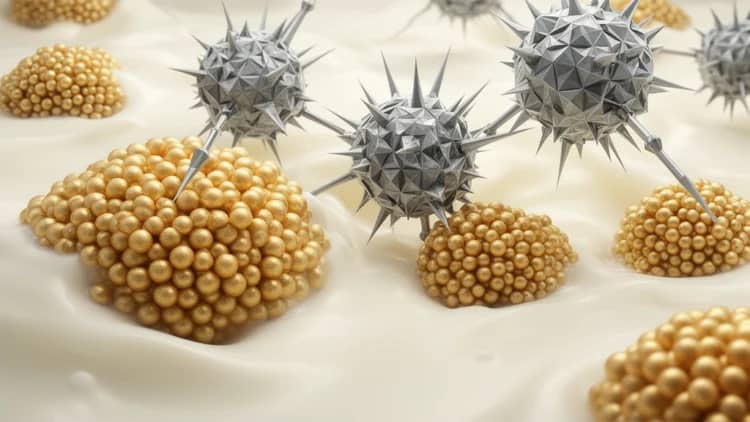
Bacteriophages are viruses that specifically infect and destroy bacterial hosts. Unlike broad-spectrum antimicrobial approaches, targeted phages offer the possibility of controlling selected harmful bacteria while limiting disruption to beneficial microorganisms.
UHP46 demonstrated antibacterial activity in liquid milk, solid cheese and fermented yogurt, suggesting potential applications in dairy biopreservation.
Further Research Needed Before Commercial Application
Despite the promising results, researchers highlighted several limitations.
The experiments used only one S. aureus strain, meaning the effectiveness of UHP46 against a wider range of bacterial strains, including methicillin-resistant variants, remains unconfirmed.
Commercial application will also require further evaluation of manufacturing costs, sensory characteristics, phage-resistant bacterial development and regulatory requirements.
The findings represent a promising research development for dairy food safety, but UHP46 is not yet an established commercial replacement for conventional hygiene, pasteurisation and quality-control practices.
Source: Read full story here 25 Nov, 2026 Edited and Reported by
#DairyNews7x7 #DairyFoodSafety #Bacteriophage #FoodSafety #DairyResearch #AntimicrobialResistance #DairyTechnology
Never miss an important dairy update
Follow DairyNews7x7 on Google to get live milk prices, policy alerts, and daily headlines directly in your feed.