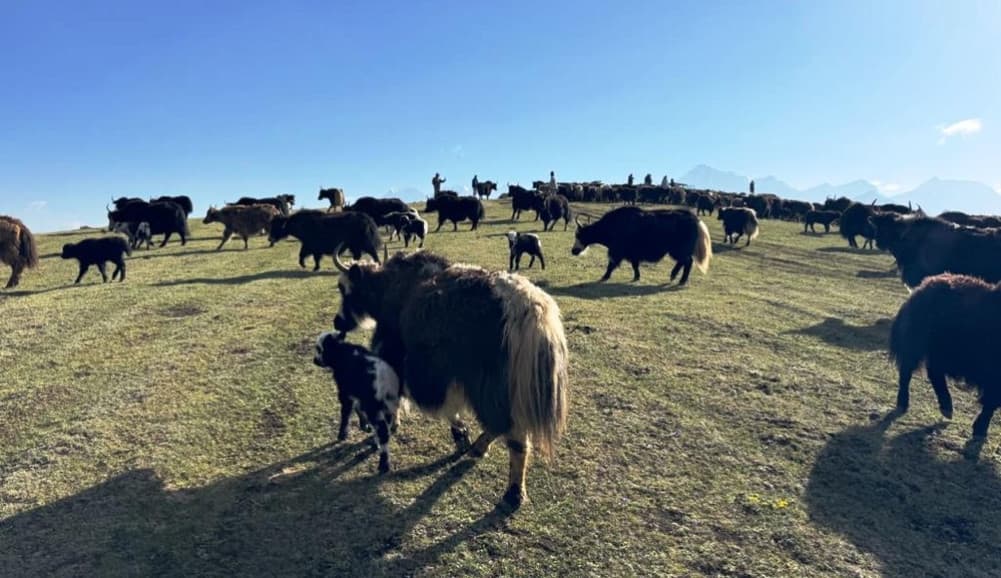
Farmers are being urged to take care when returning dairy cows to pasture after drought, as substantial rainfall can trigger rapid grass regrowth with potentially high nitrate levels. Nutritionist Luppo Diepenbroek of Straight Line Nutrition recommends taking 200g fresh-grass samples for analysis, with results available within 48 hours, before deciding whether a sward is safe to graze.
Nitrate levels below 0.1% nitrate nitrogen are considered safe; problems such as poor palatability and cow infertility can occur above 0.2%, while 0.5% is toxic and can result in animal deaths. The risk is particularly relevant where fertiliser was applied before the drought or where organic matter from earlier slurry applications has broken down.
Farmers are also advised not to graze immediately after rain: the first new leaf relies on sugar reserves in the roots, and allowing regrowth for around five to seven days can help the plant recover and develop sufficient chlorophyll. Rejuvenated grass-clover swards and herbal leys also carry a risk of frothy bloat, particularly where clover accounts for more than 40% ground cover, cows enter pasture hungry, or grazing follows rain.
High potassium levels, at a soil index of 2 or more, can increase nitrogen uptake and contribute to the risk. Recommended preventive measures include feeding cows a transition diet such as hay before turnout, applying 100kg/ha of salt (sodium chloride) as grass begins regrowing, and, according to Diepenbroek, using 100ml of vegetable oil in drinking water to reduce rumen microbial activity associated with frothy bloat. (fwi.co.uk)
Source: Dairynews7x7 26 Aug, 2026 Read full story here
#DairyFarming #CowHealth #GrasslandManagement #DairyNutrition #FodderManagement #LivestockFarming #DairyNews7x7
Latest Blogs



Global Dairy News