India’s interim trade agreement with the United States has drawn attention for protecting key agricultural and dairy interests while expanding market access for a range of export-oriented sectors. According to an editorial published by Kerala Kaumudi, the agreement was finalized after more than a year of negotiations led by Commerce Minister Piyush Goyal and aims to facilitate bilateral trade worth ₹50 lakh crore over the next five years. The editorial argues that successful trade agreements require compromises from both sides while safeguarding national interests.
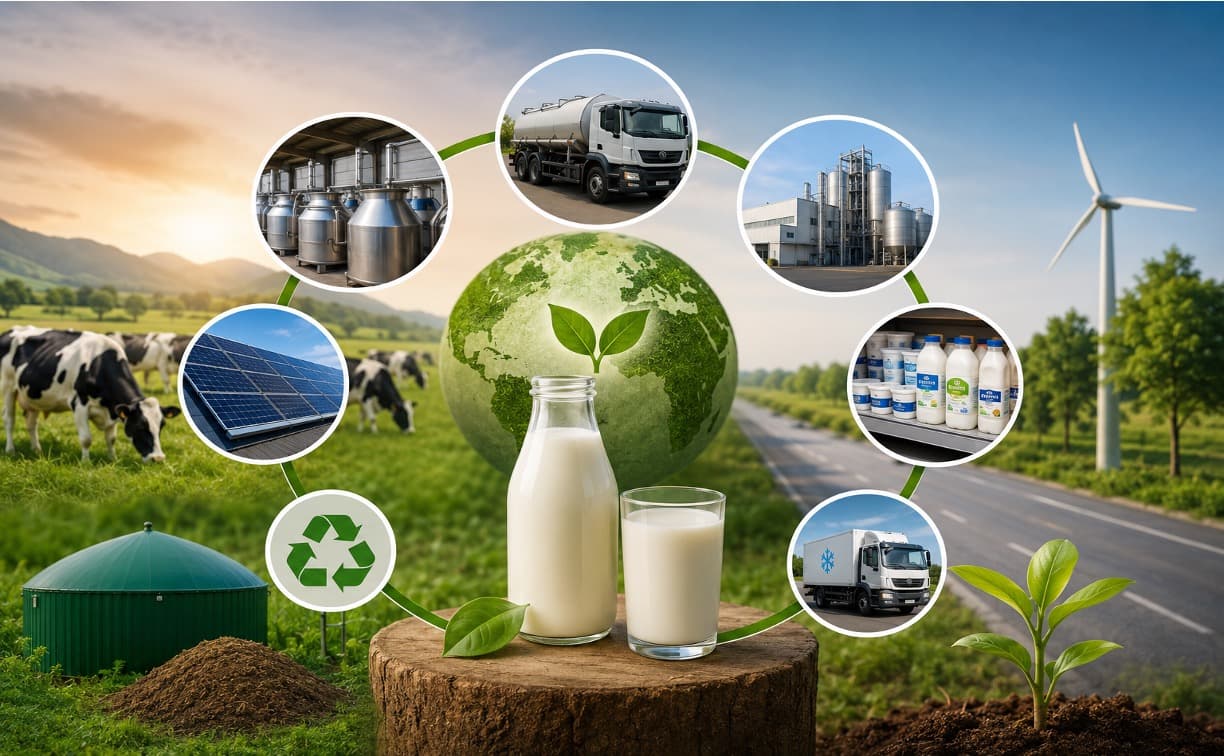
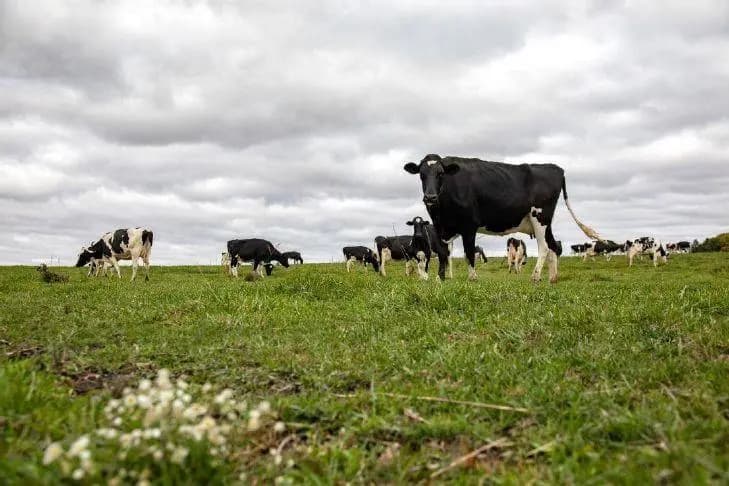
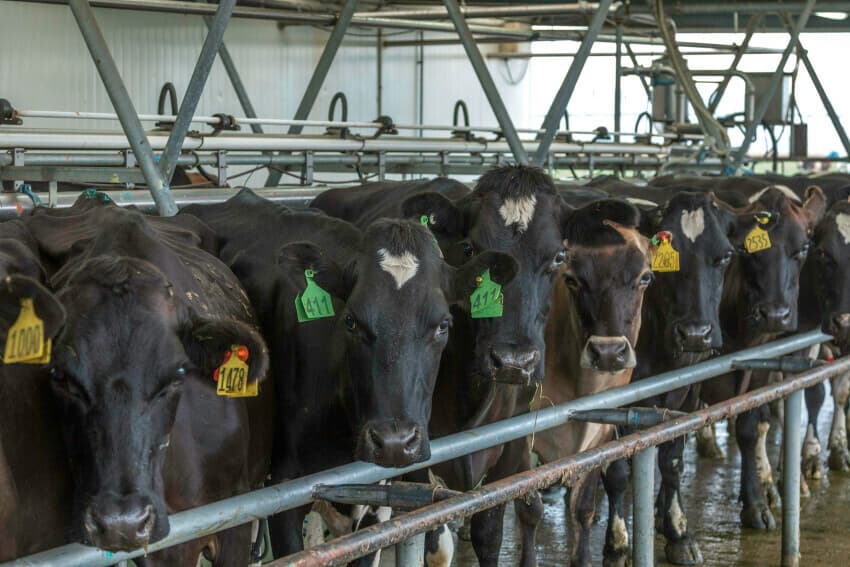
A key outcome of the negotiations was India’s decision not to fully open its agricultural and dairy markets to U.S. products. The agreement does not permit imports of corn and soybeans, which are produced in abundance in India. However, imports of products such as almonds and walnuts, which have limited domestic production, will be allowed. The editorial also noted that cattle feed derived from the ethanol industry can be imported from the U.S., with supporters claiming it costs roughly half as much as domestic alternatives while offering better quality. Importantly for the dairy sector, the Indian dairy market remains closed to U.S. dairy products under the interim agreement.
The agreement also provides significant export benefits. U.S. tariffs on Indian exports are expected to fall from 50% to 18% on several products, while tariffs on selected goods may be eliminated entirely. Products including tea, coffee, copra, coconut, dates, cashew nuts, and coconut oil are expected to gain improved access to the U.S. market. The editorial states that the agreement could support growth in sectors such as textiles, leather, gems, diamonds, and pharmaceuticals, creating new employment opportunities while maintaining protections for agriculture and dairy.
Industry observers note that the exclusion of dairy from market-opening commitments is viewed as a significant safeguard for Indian dairy farmers and cooperatives. As global trade negotiations increasingly focus on agricultural market access, the agreement highlights India's continued efforts to balance export growth opportunities with the protection of sensitive domestic sectors, particularly dairy and farming.