Weight-Loss Drugs Fuel Protein-Rich Whey Craving Across Global Dairy Markets
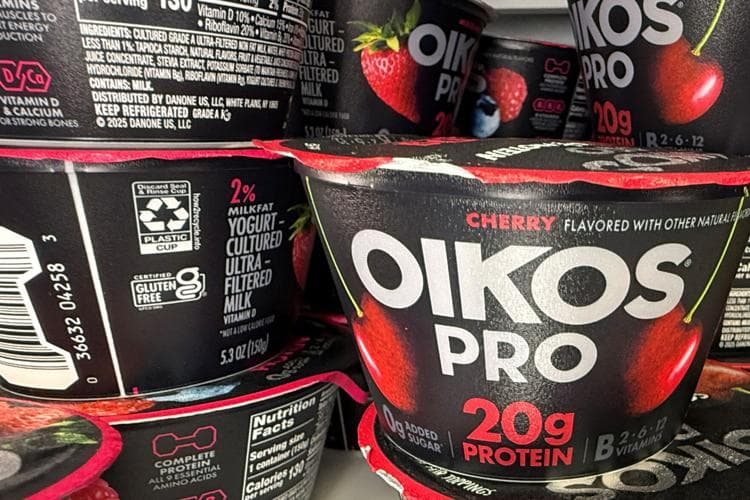
Booming adoption of GLP-1 medications sparks a surge in demand for whey protein to preserve lean muscle, driving major dairy investments.
The rapid global rise of GLP-1 weight-loss medications—such as Ozempic and Wegovy—is fundamentally reshaping consumer nutrition and sparking an unprecedented demand surge for dairy proteins. While patients taking these drugs achieve substantial reductions in body weight, clinical evidence indicates that up to 40 percent of the weight lost can consist of lean muscle mass rather than fat tissue. To combat this loss and maintain metabolic health, healthcare providers and dietitians are actively advising users to dramatically increase their intake of high-quality complete protein, placing whey at the forefront of post-treatment regimens.
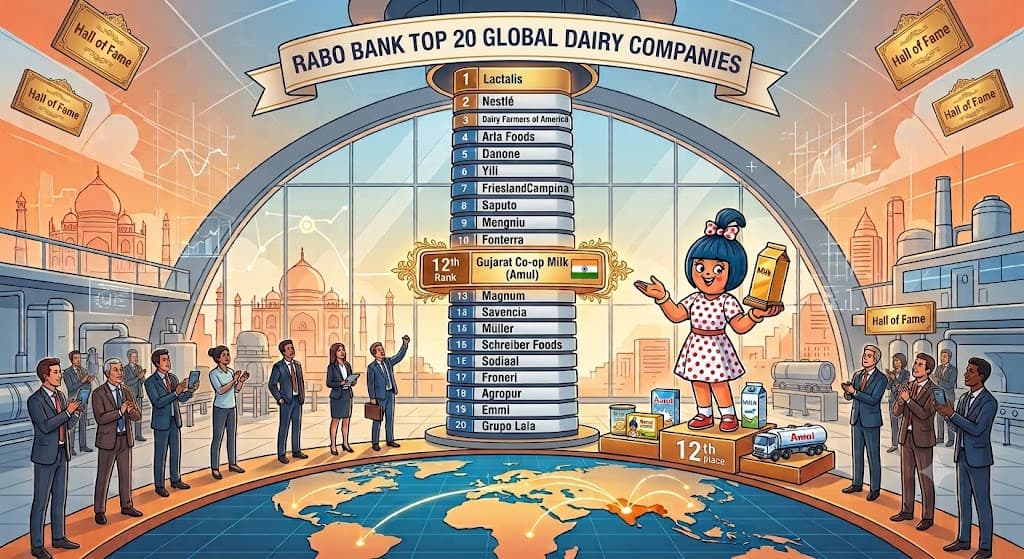
This behavioral shift has catalyzed major product innovation across leading dairy cooperatives. Dairy Farmers of America (DFA), the largest dairy cooperative in the United States, recently rolled out MULU—a high-protein cottage cheese fortified with added whey to deliver 18 grams of complete protein per serving, well above the conventional 12 to 13 grams. Cooperative leadership reported an effective “run on dairy proteins,” prompting DFA to reallocate capital and convert existing fluid milk processing lines in Pennsylvania and New Mexico into dedicated cultured and protein-rich dairy manufacturing assets.
The surge in protein appetite is expanding the consumer base for whey products far beyond traditional bodybuilding and sports nutrition demographics. Wellness retailers and health platforms report a sharp influx of female consumers and older adults seeking whey protein powders, ready-to-drink shakes, and functional snacks specifically to manage the side effects of appetite-suppressing drugs. Dairy giants are responding by incorporating whey fractions into everyday consumer formats, from high-protein yogurts like Danone’s Oikos to functional snacks like Bel Group’s Babybel Protein.
However, the rapid escalation in market demand is colliding with severe industrial processing bottlenecks. Dairy market analysts at StoneX emphasize that the global food processing sector currently lacks the advanced membrane filtration infrastructure required to convert raw liquid whey—traditionally a low-value byproduct of cheese manufacturing—into pharmaceutical- and nutritional-grade whey protein concentrates (WPC) and whey protein isolates (WPI) at the scale required. This capacity crunch has pushed benchmark whey prices upward and widened the premium commanded by high-purity protein fractions.
To capitalize on the structural shortfall, international dairy conglomerates are accelerating capital investments into specialized whey processing. European cooperative Royal FrieslandCampina finalized the acquisition of Wisconsin Whey Protein and poured over €90 million into expanding high-value whey processing capacity at its Dutch facility in Borculo, while Arla Foods Ingredients is aggressively expanding its functional ingredient footprint. As GLP-1 adoption expands into broader global populations, industry executives project that high-end dairy proteins will remain one of the most lucrative and capacity-constrained segments across the international dairy supply chain.
Source: Dairynews7x7 06 Sep, 2026 From Our Partner Channel