Logo
IndianGlobalBlogsPublicationsPodcastsMarketAboutContact
Logo
IndianGlobalBlogsPublicationsPodcasts
7News
Godrej to Invest ₹150 Crore to Expand Dairy Plant in TelanganaNDDB, Banas Dairy & Suzuki Partner on Big Biogas Push in GujaratDairy giants rush to recall infant formula after contamination scareInside the World’s Giant 230,000 Cow Mega Farm in ChinaIndia’s First Camel Milk Plant Boosts Niche Dairy Growth

Indian Dairy News

Godrej to Invest ₹150 Crore to Expand Dairy Plant in Telangana
Jan 23, 2026

Godrej to Invest ₹150 Crore to Expand Dairy Plant in Telangana

The Godrej Group has announced a ₹150 crore investment to expand its dairy processing operations in Hyderabad, a major move aimed at strengthening its presence in southern India’s dairy sector and mee...Read More

NDDB, Banas Dairy & Suzuki Partner on Big Biogas Push in Gujarat
Jan 23, 2026

NDDB, Banas Dairy & Suzuki Partner on Big Biogas Push in Gujarat

A tripartite agreement has been signed between the National Dairy Development Board (NDDB), Banas Milk Union (Banas Dairy) and Suzuki Research & Development Institute India (SRDI) to set up a 75 MTPD...Read More

India’s First Camel Milk Plant Boosts Niche Dairy Growth
Jan 22, 2026

India’s First Camel Milk Plant Boosts Niche Dairy Growth

Sarhad Dairy — the Kutch District Cooperative Milk Producers’ Union Ltd. — has further strengthened India’s dairy landscape with its camel milk processing initiative, operating the country’s first cam...Read More

DairyNews7x7
Advertisement

Latest Blogs

See More
Two Stocks Powering India's Rs 1-Lakh-Crore Protein Boom
Jan 21, 2026

Two Stocks Powering India's Rs 1-Lakh-Crore Protein Boom

Protein consumption in India is moving beyond supplements and fitness products into daily food choices. Awareness around nutrition has increased, but intake remains uneven. Parag Milk Foods Ltd. estim...Read More

5 Year Budget Plan to Make Indian Dairy Global Leader in 2047
Jan 15, 2026

5 Year Budget Plan to Make Indian Dairy Global Leader in 2047

I recently moderated a key session on India Dairy Vision 2047 at the TPCI's International Dairy Processing Conference 2026, gaining valuable insights from panellists. This led to me developing policy...Read More

From Forecast to Fact: 2025 Lessons, 2026 Dairy Outlook
Jan 01, 2026

From Forecast to Fact: 2025 Lessons, 2026 Dairy Outlook

As we step into 2026, it is worth pausing to reflect on how the Indian dairy sector navigated the challenges of 2025 and how closely reality tracked the forecasts I outlined in the first blog of last...Read More

India–NZ Dairy FTA: Safeguards or Silent Slippages?
Dec 26, 2025

India–NZ Dairy FTA: Safeguards or Silent Slippages?

The recently concluded India–New Zealand Free Trade Agreement (FTA) marks an important milestone in bilateral trade, while carefully ring-fencing India’s sensitive dairy sector. Under the agreement, c...Read More

Global Dairy News

Dairy giants rush to recall infant formula after contamination scare
Jan 23, 2026

Dairy giants rush to recall infant formula after contamination scare

Three of the world's largest dairy companies are recalling and blocking batches of infant milk formula after a contamination scare that began with Nestle  widened on Wednesday to French groups Danone...Read More

Inside the World’s Giant 230,000 Cow Mega Farm in China
Jan 22, 2026

Inside the World’s Giant 230,000 Cow Mega Farm in China

One of the world’s largest concentrated dairy operations — **China Modern Dairy’s mega farm in Anhui Province, China — houses more than 230,000 dairy cows under a single industrial system, making it o...Read More

GDT 396: Dairy Prices Rally Again After Nine Drops
Jan 20, 2026

GDT 396: Dairy Prices Rally Again After Nine Drops

The 396th Global Dairy Trade (GDT) auction — the second dairy trading event of 2026 — delivered a second consecutive rise in global dairy prices, with the GDT Price Index increasing by 1.5 % to 1,088...Read More

DairyNews7x7
Advertisement
Dairy News 7x7

Your trusted source for all the latest dairy industry news, market insights, and trending topics.

FOLLOW US
CATEGORIES
  • Global News
  • Indian News
  • Blogs
  • Publications
  • Podcasts
SUBSCRIBE TO OUR NEWSLETTER

Stay informed with the latest updates and trending news in the dairy industry.

No spam, unsubscribe at any time

GET IN TOUCH
C-49, C Block, Sector 65,
Noida, UP 201307
+91 7827405029dairynews7x7@gmail.com

© 2026 Dairy News 7x7. All Rights Reserved.

Terms of ServicePrivacy Policy

Senara Emerges as Europe’s First Cultured Dairy Startup

By Kuldeep Sharma•Published on December 18, 2023

German startup Senara has emerged from stealth as the first European company making cell-cultured dairy.

With a couple of awards already under its belt, the producer hopes to collaborate with farmers for a more sustainable dairy industry and believes cultivated milk could be a standard supermarket option by 2028.

Based in Freiburg, Senara is the first startup working on cultivated dairy in Europe and is hoping to collaborate with cattle farmers and the milk industry to help them “futureproof their work”, enhance sustainability and efficiency, and develop more inclusive versions of traditional milk.

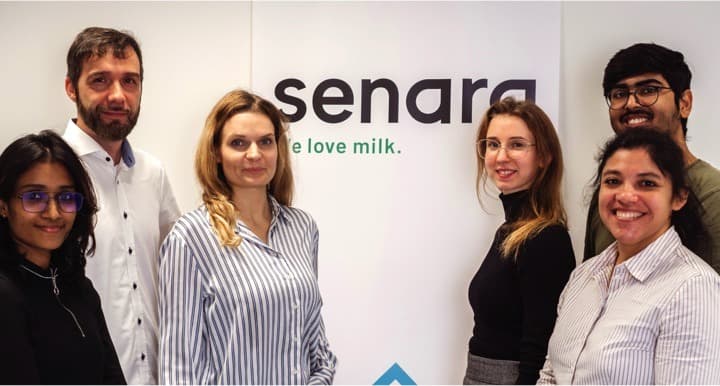
Founded in 2022, the company has just emerged from stealth and is backed by PurpleOrange Ventures, Positron Ventures, Partners in Clime, Black Forest Business Angels and SquareOne Foods. “We are at the forefront of a significant shift in milk production, leveraging cell-cultivated technology to address global challenges,” says co-founder and CEO Dr Svenja Dannewitz.
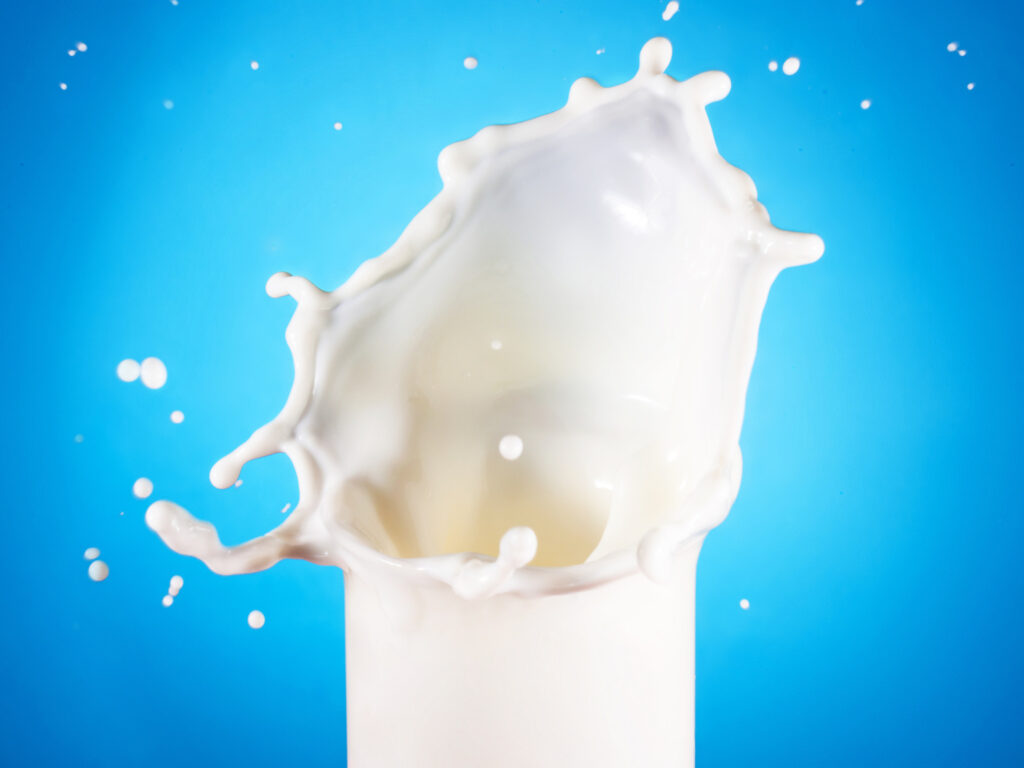
Taking cells from milk, not cows

Courtesy: Getty Images via Canva
While French startup Nūmi is also working with cultivated milk, its work is focused on breast milk. This makes Senara the only European startup developing cultivated dairy, joining a handful of others around the world, including Opalia (Canada) and Brown Foods‘ UnReal Milk (US/India).

But Senara breaks away from cell-cultivation convention taking cells not from the cows or other dairy-producing animals themselves, but from the milk they produce. With a selection process that enables the company to choose the most suitable cells, it allows for minimal intervention with the animals and makes for a more efficient production cycle.

This is done through a continuous, high-throughput process that helps bring down costs significantly. The company has developed a patent-pending custom bioreactor to cultivate and facilitate the growth of dairy cells, which makes it easier to scale up. Senara is already working at pilot scale with a 100-litre bioreactor, which produces milk that has the same nutritional profile as conventional varieties, but in a much more climate-friendly manner. It aims to set up an industrial-scale bioreactor by 2028.

Dannewitz explains that the startup’s process “enables us to eat the food we love and aligns with the needs of our planet as well”. “Embracing this technology drives scientific progress and holds the potential for a future where milk is both sustainable and beneficial for our health,” she says.

The resulting product is free from GMOs or the bacteria and yeasts that normally cause milk to spoil while containing all the essential elements of dairy: lactose, casein, whey and micronutrients.

“It provides nations with a technology which can help them honour the Global Methane Pledge, which involves reducing methane emissions by 30% by 2030 and meeting net-zero commitments,” she adds. This is key, given that methane – a gas 28 times more potent than carbon and carrying a more immediate threat – is responsible for 30% of the current increase in global temperatures. And dairy cattle account for 8% of total methane emissions.

One study found that the methane emissions of 15 of the world’s largest meat and dairy companies are equivalent to 80% of the entire methane footprint of the EU, Senara’s home market. Reducing this gas’s presence in the atmosphere – which has more than doubled over the last two centuries – is a crucial step in tackling climate change. The UN reports that human-caused methane emissions can be cut by 45% this decade, which would avert nearly 0.3°C of temperature rises, a critical figure considering we’re on track for 3°C.
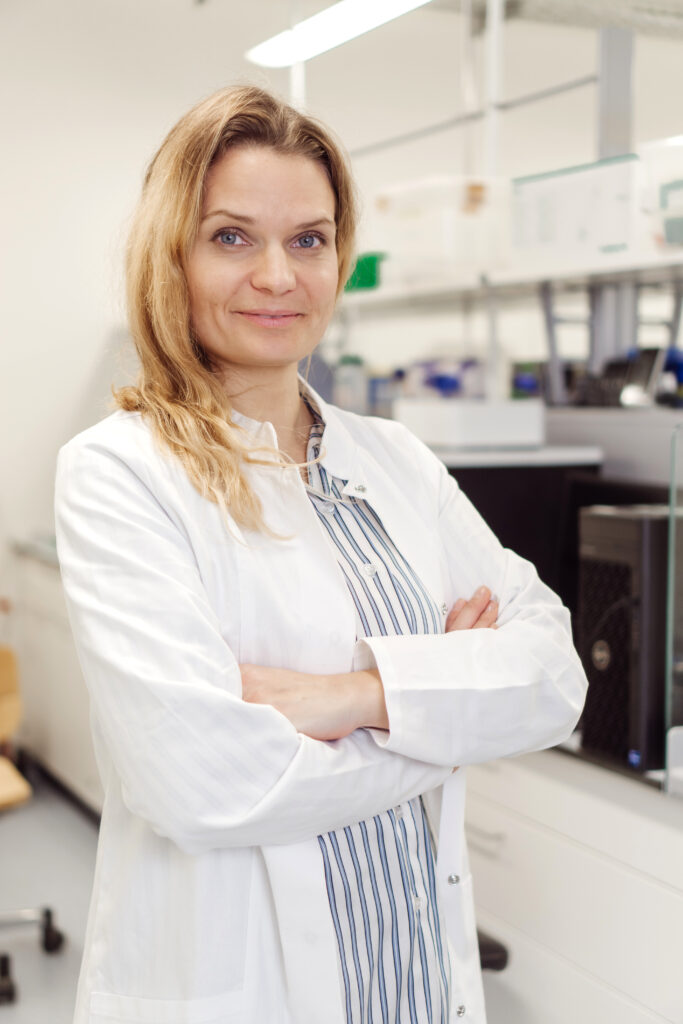
Product and collaboration plans


Courtesy: Senara
Once it reaches scale, Senara aims to develop a range of milk products, including yoghurt and cream. Its ilk can also be used in ice cream and chocolate formulations. Additionally, it can diversify its innovations to cater to different nutritional needs and allergies, such as milk rich in A2 protein or a lactose-free version (which can be produced directly in its bioreactors without any additives). Eventually, it wants to create a whole suite of milks from different animal cells, including goats, buffaloes, sheep, donkeys and bison.

The company has seen some early awards success, having won the MakeItMatter-Award and Best Cell-Based Drink honour at FoodBev’s World Cell-Based Innovation Awards 2023. And it was a finalist in the Science Start-Up category for the Falling Walls Award.

One key goal for Senara is blending tradition with innovation. “We want to innovate in collaboration with the traditional players in the dairy sector,” says Dannewitz, whose grandparents were farmers. The German startup wants to “reimagine dairy production for the modern era”, taking inspiration from cultivated meat companies that are working with conventional producers.

The aim is to integrate cutting-edge tech with the heritage and expertise of established dairy farmers, producing milk that respects both the planet’s resources and the time-honoured techniques of farmers to create a “paradigm shift” for the dairy industry.

Senara is already in talks with other manufacturers to incorporate its cell-cultured milk into their product lines. “Collaboration and deep research are the cornerstones of our story,” said co-founder Dr Philipp Prosseda. “We are working with food technology start-ups around the world.” The startup is working with the University of Hohenheim in Germany, and developing projects with the University of Greenwich and Nottingham in the UK and Stanford University in the US.

“These collaborations are beneficial for us, and it is also our responsibility to collaborate to develop this novel technology,” he added. Speaking of which, Senara is hoping to advance through the EU’s novel foods regulatory process soon. The company anticipates moving into a broader range of cultivated foods within two years and envisions cultivated milk to be a standard shelf option at supermarkets by 2028.

“Life truly comes full circle,” reflects Dannewitz. “I recall my grandparents milking their cows, and now I’m applying my years of scientific experience to make milk – a fundamental nutritional building block – sustainable and accessible for today’s world and future generations.”

Swipe to continue reading

Previous Article

Next Article