Logo
IndianGlobalBlogsPublicationsPodcastsMarketAboutContact
Logo
IndianGlobalBlogsPublicationsPodcasts
7News
TN Minister Urges Farmers to Adopt Tech for Value Addition in DairyListen to the Farm, Not the Farmer—The New Productivity LensWhat’s Driving Change In Beverages, FMCG And Dairy in 2025ED begins money laundering probe in dairy investment fraud caseIndo-Brazil pact aims to boost cattle genetics and dairy yield

Indian Dairy News

TN Minister Urges Farmers to Adopt Tech for Value Addition in Dairy
Dec 12, 2025

TN Minister Urges Farmers to Adopt Tech for Value Addition in Dairy

In Coimbatore this week, Tamil Nadu’s Minister for Milk and Dairy Development, Mano Thangaraj, called on dairy farmers to embrace modern technologies to boost productivity and value addition across th...Read More

Listen to the Farm, Not the Farmer—The New Productivity Lens
Dec 12, 2025

Listen to the Farm, Not the Farmer—The New Productivity Lens

India’s dairy sector, valued at nearly $30 billion, has reached a point where incremental changes will not deliver the next breakthrough. For decades, improvement programs have focused on what farmers...Read More

What’s Driving Change In Beverages, FMCG And Dairy in 2025
Dec 12, 2025

What’s Driving Change In Beverages, FMCG And Dairy in 2025

India’s retail landscape in 2025 was marked by a decisive shift in how consumers choose, consume and connect with brands. From beverages to daily nutrition and even the most essential dairy products,...Read More

Latest Blogs

See More
More Milk, Less Money: India’s Dairy Crisis
Dec 01, 2025

More Milk, Less Money: India’s Dairy Crisis

With the release of the BAHS 2025 summary report, I felt compelled to deep dive into its findings and reflect on the real progress and challenges facing India’s dairy sector. Over the last six years,...Read More

India Milk Prices: Cost Shock and Procurement Pressure
Nov 28, 2025

India Milk Prices: Cost Shock and Procurement Pressure

Milk prices in India face upward pressure as rising feed costs and procurement hikes reshape farm economics. Insight on dairy procurement, feed costs, and market outlook. Official government and coope...Read More

Stop Blaming, Start Claiming: Livestock’s Carbon Credit Future
Nov 16, 2025

Stop Blaming, Start Claiming: Livestock’s Carbon Credit Future

This week, I had the opportunity to attend an Agri Carbon Masterclass conducted by CII FACE. The deliberations, case studies, and discussions presented during the session were both insightful and thou...Read More

India Powers the Gulf’s Dairy Revolution -Gulf Food 2025
Oct 31, 2025

India Powers the Gulf’s Dairy Revolution -Gulf Food 2025

As Gulf Food Manufacturing prepares to open its doors from November 4–6 in Dubai, Indian dairy product and equipment manufacturers have a unique opportunity to explore one of the most promising region...Read More

Global Dairy News

Why the global milk business needs a structural shake-up
Dec 08, 2025

Why the global milk business needs a structural shake-up

The New Zealand dairy stalwart Fonterra has sold its consumer dairy-brands (milk, butter, cheese) — including “Anchor” and “Mainland Cheese” — to French agribusiness giant Lactalis in late October 202...Read More

Raw-milk prices in Europe hit 5-yr low; ripple effect looms
Dec 07, 2025

Raw-milk prices in Europe hit 5-yr low; ripple effect looms

European raw-milk prices have plunged to their lowest in five years, as oversupply and weak demand weigh on dairy markets across the region. According to recent data from DCA Market Intelligence B.V.,...Read More

Global food prices ease; FAO dairy index slips — impact looms
Dec 06, 2025

Global food prices ease; FAO dairy index slips — impact looms

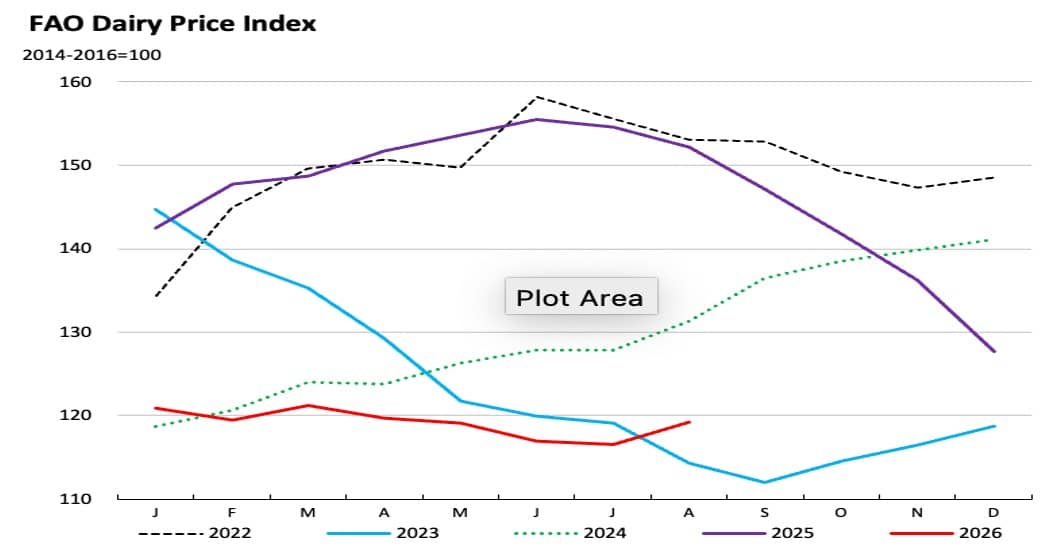
The FAO Dairy Price Index averaged 137.5 points in November, down 4.4 points (3.1 percent) from October and 2.4 points (1.7 percent) from its value a year ago. International dairy prices fell for the...Read More

Dairy News 7x7

Your trusted source for all the latest dairy industry news, market insights, and trending topics.

FOLLOW US
CATEGORIES
  • Global News
  • Indian News
  • Blogs
  • Publications
  • Podcasts
SUBSCRIBE TO OUR NEWSLETTER

Stay informed with the latest updates and trending news in the dairy industry.

No spam, unsubscribe at any time

GET IN TOUCH
C-49, C Block, Sector 65,
Noida, UP 201307
+91 7827405029dairynews7x7@gmail.com

© 2025 Dairy News 7x7. All Rights Reserved.

Terms of ServicePrivacy Policy

Nestlé launches dairy-free Milo in Asia as dairy alternatives segment grows
By DairyNews7x7•Published on April 09, 2021

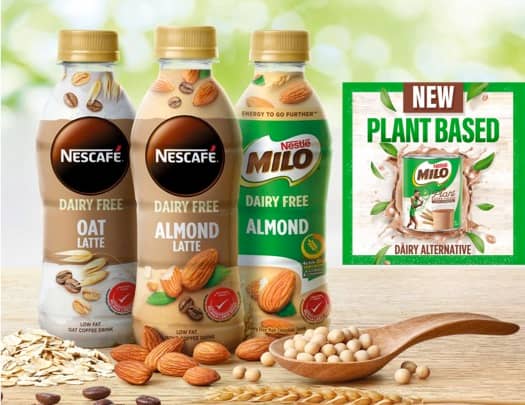
Swiss food giant Nestlé is launching plant-based versions of some of its most-loved brands in Asia as consumers include more dairy alternatives in their diet.  That now has a new plant-based version of Milo, the world’s leading chocolate malt beverage.

This new version replaces the milk in the original recipe with almond and soy, but the other two core ingredients – malt and cocoa – remain the same.

It will be initially launched in Asia, starting first in Malaysia, a country with generations of Milo fans going back 70 years to its launch in 1950. Nestlé Malaysia will also be introducing a range of plant-based Nescafé lattes. Both will appear on shelves this month.

Chocolate malt plant-based Consumers have a long attachment with Milo, creating a dairy alternative version needed to deliver a high-quality taste experience.

Nestlé’s development teams worked hard to deliver the ionic Milo taste while using only plant-based ingredients.

Each bottle offers 6.5 grams of protein and is also low in sugar, with a combination of vitamins and minerals to support effective energy release.

It follows the launch of a plant based milo powder in Australia in 2020, which created massive excitement in the country where Milo was first introduced in 1934.

“Milo is an iconic brand in Malaysia and across Asia and much-loved across generations. We want to provide consumers with on-trend alternatives in formats they want. That’s why we’re delighted to launch Milo Dairy Free to support people’s lifestyle choices,” says Mayank Trivedi, head of the Dairy Strategic Business Unit at Nestlé.
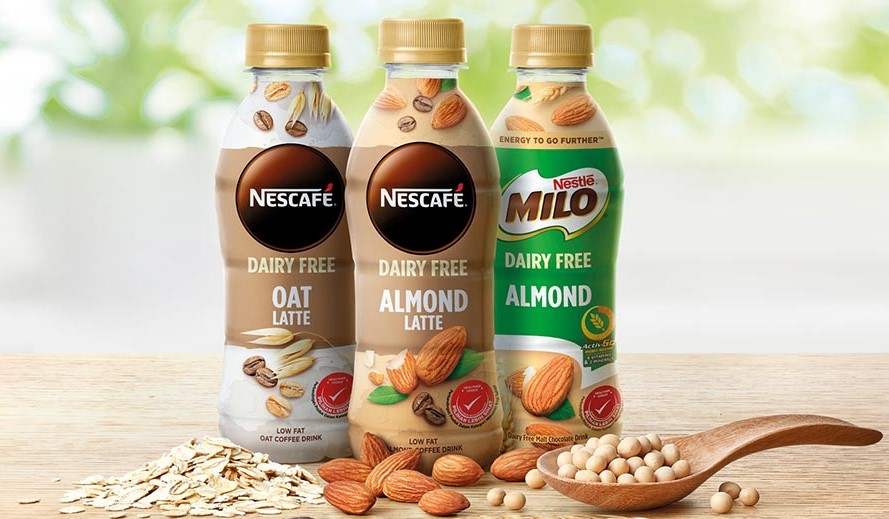
Each bottle offers 6.5 grams of protein and is also low in sugar, with a combination of vitamins and minerals to support effective energy release. (Credit: Nestlé)A whole “latte” flavor Nestlé is a pioneer in innovative plant-based coffee mixes, and Nestlé Malaysia is now introducing a plant-based version of another iconic brand – Nescafé oat and almond lattes.

The company says that plant-based coffee mixes are a popular and growing category. Nestlé has already launched them across several countries in Europe, Latin America and Oceania, and recently launched a range of plant-based Nescafe and Starbucks latte in Japan.

The Nescafé Dairy Free Almond Latte combines almond and pea, while oat and soy are the main ingredients for the Nescafé Dairy Free Oat Latte. Both are blended with smooth Nescafé coffee and can be enjoyed hot or cold.

Nestlé’s sharpened plant-based focus Using its expertise in dairy products and plant-based proteins, Nestlé is focused on developing a wide variety of dairy alternatives that complement people’s everyday diet. This includes products made from pea, rice, oat, soy, coconut and almonds.

“We’re expanding our offerings across Asia by developing a variety of great-tasting, nutritious and sustainable plant-based products,” adds Guglielmo Bonora, head of Nestlé’s R&D Center in Singapore.

“We want to make it easier for people to embrace plant-based alternatives in their diet while also reducing our carbon footprint across the supply chain.”

Nestlé’s R&D center in Singapore serves as the regional innovation hub to develop plant-based dairy alternatives in Asia.

The center collaborates closely with Nestlé’s global R&D network of around 300 scientists, engineers and product developers active in the research and development of plant-based products.

The need for plant-based dairy alternatives that taste great and offer strong nutritionals is rising, as more families are following this trend. Many consumers cite environmental reasons, as plant-based proteins are produced with significantly lower emissions, land- and water usage.

Edited by Gaynor Selby

Swipe to continue reading

Previous Article

Next Article