Latest Blogs
See More

Indian Dairy News

DairyNews7x7
Global Dairy News

DairyNews7x7
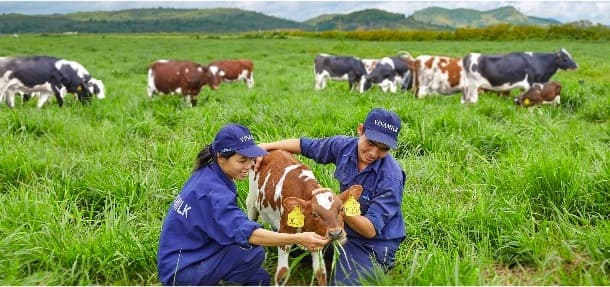
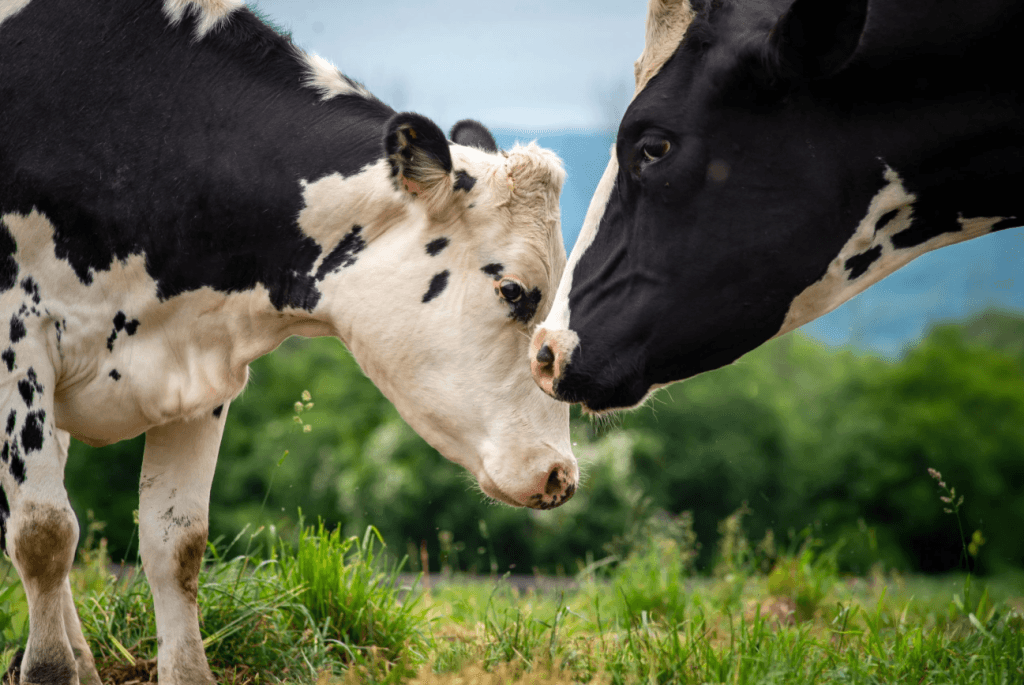
Vietnam’s dairy sector is experiencing strong sales growth on the back of a middle-class that is expanding by the day. In this article, Vietnam Briefing examines opportunities in the sector for foreign firms but also the hurdles they may face.
Vietnam’s growing population and the increasing wealth of its middle class is seeing demand for milk and dairy products in the country boom. In fact, per capita milk consumption is expected to increase by around 40 percent, from 28 liters in 2021 to 40 liters per year by 2030, according to Research and Markets.
However, Vietnam’s domestic milk production falls short of meeting the country’s demand. According to the Food and Agriculture Organization (FAO), in 2021, Vietnam produced 1,097 tons of milk domestically but had to import more than 3,705 tons. This stark contrast between supply and demand highlights the need for increased milk production and the growing importance of dairy imports to meet consumer needs.
Furthermore, the Vietnamese government is also actively promoting dairy as an important part of a balanced diet. In 2016, for example, the government approved the School Milk Program, which aims to provide daily milk to children in kindergartens and elementary schools.
There is also the ‘Stand Tall Vietnam Milk Fund’, operated by Vinamilk. Since 2007, this program has contributed significantly to boosting dairy consumption by donating over 42 million boxes of milk to more than 500,000 children across the country. This collective effort reflects a broader desire to ensure children have an adequate supply of milk.
Apart from liquid milk, there is also a shifting consumer preference for other dairy products in Vietnam. The growing influence of Western cuisine, with dishes like burgers, pizzas, and burritos is gaining traction and has contributed to an increased demand for cheese, butter, and yogurt.
With this in mind, many investors are eager to explore opportunities in Vietnam’s dairy industry. So how can investors most effectively enter Vietnam’s dairy market?
An example of this investment approach can be seen in the case of Growtheum Capital Partners. The investment firm has committed to investing approximately US$100 million to acquire a 15 percent stake in the Vietnam International Dairy Joint Stock Company (IDP).
“IDP is a unique opportunity for us to participate in Vietnam’s rising consumption story,” Trang Tran, the managing director at Growtheum Capital, told Bloomberg back in April.
Another foreign company that has recognized the potential of the Vietnamese market is the Morinaga Milk Industry Group, a leading milk producer from Japan. The group has taken steps to expand its presence in Vietnam, starting with its acquisition of all shares in Elovi Vietnam in 2021. Furthermore, In May 2023, Morinaga Milk Industry paid VND 106 billion (approximately US$4.5 million) to acquire a 51 percent stake in a joint venture with Hoa Sen Group’s Le May, a domestic dairy producer, forming the Morinaga Le May Vietnam Joint Stock Company.
Interestingly, several domestic dairy companies in Vietnam have sought to address this shortage of expertise by establishing farms abroad. For example, VitaDairy has invested in a US$10 million farm with 1,000 cows in Tasmania, Australia.
On that note, Vinamilk, a prominent dairy company in Vietnam, has also expanded its dairy herd overseas by starting work on phase 1 of a dairy complex in Xieng Khouang, Laos, housing a herd of 24,000 organic dairy cows.
A robust dairy farm system is seen as crucial by dairy companies in Vietnam to ensure a stable supply of milk. Therefore, it is essential to have farms that meet international standards and to leverage livestock expertise and technology to maximize livestock productivity. This, however, will require skills and investment two areas in which foreign firms may be able to assist and profit.
A notable success story in this regard is the Laughing Cow cheese brand, owned by Bel Group from France. In 2015, Bel Group invested approximately US$17 million to establish a factory in Vietnam. This strategic move increased production output specifically for the Southeast Asian market and proved to be very profitable.
Similarly, in recent times, Orion Food Vina (OFV), a subsidiary of Orion Korea, entered into a collaboration with Dutch Mill, a renowned dairy company with a 70 percent market share in Thailand. The objective of this partnership was to introduce new products to the Vietnamese market. As a result of this joint venture, two new product lines were launched: Choco IQ, a combination of barley milk and barley flour, and ProYo, a drinking yogurt, both showing promise among Vietnamese consumers.
However, while the dominance of domestic brands in the Vietnamese dairy market presents hurdles for new entrants, it also underscores the potential of the market. Investors willing to invest the time and resources, and to do the careful planning requried can tap into the growing demand for dairy products in Vietnam and establish a successful presence alongside these well-established domestic players.
Another trade agreement that may impact the dairy industry in Vietnam is the CPTPP. This agreement aims to gradually eliminate import tariffs on various goods, including milk and dairy products. As the tax rates approach 0 percent, it will create a favorable environment for foreign dairy products entering the Vietnamese market. Notably, countries like New Zealand, Australia, and Japan, which are major exporters of milk, stand to benefit immensely from this agreement.
While the reduced import taxes may pose challenges for domestic businesses, they also present opportunities for enhancing competitiveness. The availability of foreign products encourages domestic businesses to improve their production processes and foster higher quality standards.
According to research conducted by the United States Department of Agriculture (USDA), when the temperature-humidity index (THI) exceeds 70, cattle are prone to heat stress. In Vietnam, where temperatures can exceed 25 degrees Celsius and relative humidity often surpasses 80 percent, THI goes over 75 regularly. These conditions can have adverse effects on the production capacity of dairy cows, ultimately reducing the overall milk output of the industry.
However, it is important to note that along with the opportunities, there are also risks and challenges to navigate. In this light, firms looking to enter Vietnam’s dairy market should contact the market entry experts at Dezan Shira and Associates.
Source : Vietnam Briefing Nov 16th 2023