Logo
IndianGlobalBlogsPublicationsPodcastsMarketAboutContact
Logo
IndianGlobalBlogsPublicationsPodcasts
7News
Summer Heat to Stress India’s Dairy Cold ChainSavencia Profit Drops on Rising Milk CostsTN Milk Output Claim Sparks Data DisputeHormuz Disruption Threatens Dairy Supply ChainUP Approves Dairy Expansion in Bundelkhand

Indian Dairy News

Gujarat Ice Cream Makers Face Cone Shortage
Mar 12, 2026

Gujarat Ice Cream Makers Face Cone Shortage

Ice cream manufacturers in Gujarat are bracing for a potential shortage of cones ahead of the peak summer season due to disruptions in natural gas supply triggered by geopolitical tensions in West Asi...Read More

KMF Milk Collection Drops to 95 Lakh Litres
Mar 12, 2026

KMF Milk Collection Drops to 95 Lakh Litres

Milk procurement by the Karnataka Milk Federation (KMF) has declined to around 95 lakh litres per day with the onset of summer, down from nearly 1 crore litres daily earlier, as rising temperatures an...Read More

Old Electronics May Hide 22-Carat Gold
Mar 12, 2026

Old Electronics May Hide 22-Carat Gold

Swiss scientists have discovered that discarded electronic devices—especially computer motherboards and circuit boards—contain valuable amounts of gold that most people unknowingly throw away. Researc...Read More

DairyNews7x7
Advertisement

Latest Blogs

See More
Rajahmundry Milk Incident: Accident or Adulteration?
Mar 10, 2026

Rajahmundry Milk Incident: Accident or Adulteration?

The recent editorial “Bitter Milk” published by The Hindu raises important concerns about food safety in India. The editorial deserves appreciation for attempting to broaden the conversation and under...Read More

Milk Prices Rise in South & West: Is North Next?
Mar 05, 2026

Milk Prices Rise in South & West: Is North Next?

The recent round of retail milk price increases across South India and Maharashtra is no longer an episodic adjustment but a clear signal of structural stress building up in India’s milk economy. Over...Read More

India’s Dairy Climate Paradox: Production Triumph Meets Methane Time-Bomb
Mar 02, 2026

India’s Dairy Climate Paradox: Production Triumph Meets Methane Time-Bomb

India’s rise to the top of the global dairy league board has been one of the most remarkable agricultural success stories of the 21st century. With milk production surpassing 247 million tonnes per ye...Read More

India’s First Cow Culture Museum in Mathura
Feb 16, 2026

India’s First Cow Culture Museum in Mathura

India’s first national “Cow Culture Museum” is set to be established in Mathura, Uttar Pradesh, on the campus of Pandit Deendayal Upadhyaya Veterinary Science University, announced the Uttar Pradesh B...Read More

Global Dairy News

Israel Drops Controversial Dairy Reform From Budget
Mar 12, 2026

Israel Drops Controversial Dairy Reform From Budget

The Israeli government has removed a controversial dairy reform proposed by Finance Minister Bezalel Smotrich from the 2026 Arrangements Law, a key legislative package linked to the country’s state bu...Read More

Savencia Profit Drops on Rising Milk Costs
Mar 11, 2026

Savencia Profit Drops on Rising Milk Costs

Savencia Profit Drops on Rising Milk Costs French dairy major Savencia Fromage & Dairy reported a sharp fall in profitability for 2025, with its net income dropping by €32.2 million to €74.7 million,...Read More

Hormuz Disruption Threatens Dairy Supply Chain
Mar 11, 2026

Hormuz Disruption Threatens Dairy Supply Chain

Escalating geopolitical tensions around the Strait of Hormuz are creating new risks for the global dairy sector by disrupting key inputs such as energy, fertilisers and shipping routes. The strait car...Read More

DairyNews7x7
Advertisement
Dairy News 7x7

Your trusted source for all the latest dairy industry news, market insights, and trending topics.

FOLLOW US
CATEGORIES
  • Global News
  • Indian News
  • Blogs
  • Publications
  • Podcasts
SUBSCRIBE TO OUR NEWSLETTER

Stay informed with the latest updates and trending news in the dairy industry.

No spam, unsubscribe at any time

GET IN TOUCH
C-49, C Block, Sector 65,
Noida, UP 201307
+91 7827405029dairynews7x7@gmail.com

© 2026 Dairy News 7x7. All Rights Reserved.

Terms of ServicePrivacy Policy
Prefer Us
Prefer Us

Indians eat low-nutrient food, gorge on dairy: Study

By DairyNews7x7•Published on August 26, 2023

Indians eat low-nutrient food, gorge on dairy: Study
Prefer on

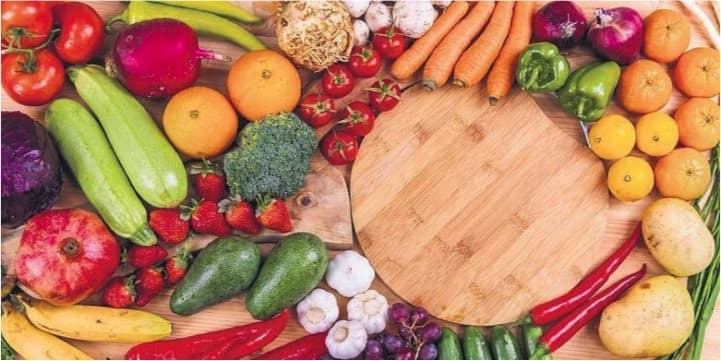
Indians consume more dairy than healthier fruits and vegetables, according to a recent study that expressed concern over the low nutrient intake and called for a public health campaign to correct the anomaly.

The study claimed that rural and poor women were adversely affected by this gap.

The study, “Dietary Patterns in North and South India: a comparison with EAT-Lancet Dietary Recommendations,” was published in the Journal of Human Nutrition and Dietetics. According to EAT-Lancet guidelines, wholegrain (32 per cent) and protein vegetables (23 per cent) should form a significant chunk of food intake. Dairy foods should be only five per cent.

But the study showed that Indians consumed 25 per cent dairy foods, 23 per cent added fats, only 15 per cent whole grains, and four per cent protein vegetarian.

“The diets of the study participants were mainly plant-based and high in dairy but lacking in nutrient-rich foods such as vegetables and fruits,” said the study.

The findings are based on a survey of 8,762 adults in Sonipat in Haryana and Vizag in Andhra Pradesh 2019. Half of the participants in the study were women and rural.

“Vegetables and fruits were consumed in lower quantities, whereas dairy and added fats were consumed in higher quantities than recommended by the EAT‐Lancet recommendations,” the study said.

The study found that when compared by urban and rural residents, the consumption of starchy vegetables, all vegetables, fruits and protein‐rich foods was higher in urban areas. However, in rural areas, the consumption of whole grains and dairy products was higher.

The consumption of various foods was also different among men and women. While women consumed starchy vegetables, which includes potatoes, corn, peas, and lentils, and all vegetables, men took more non‐vegetarian protein.

Similarly, the difference between poor and rich varied too. The rich ate more vegetables, fruits, and dairy items, the study found.

The study also found that whole grains, all vegetables, fruits, dairy, and added fats consumption were higher in Vizag than in Sonipat, while the mean quantity consumed of starchy vegetables and added sugars was higher in Sonipat than in Vizag.

Speaking with this paper, Prof Sailesh Mohan, one of the authors of the study, “Compared to the EAT-Lancet recommendations, the study participants were consuming inadequate amounts of nutrient‐rich fruits and vegetables which are very beneficial to health, but consuming more dairy, refined foods (white rice, flours), fats and sugars, which adversely impact health.”

“Given the high burden of malnutrition and cardiometabolic diseases in India, this is very disconcerting from a population health perspective,” he said.

“We need policy actions for making micronutrient-rich foods and healthy sustainable diets available and affordable to all, with a particular focus on the poor and rural populations,” said Mohan, who is a Professor at the Public Health Foundation of India (PHFI) and Director, Centre for Chronic Conditions and Injuries (CCCI).

Mohan added that from a planetary health and sustainability perspective, it is reassuring that consumption of high carbon footprint foods such as red meats, and other non‐vegetarian foods, is not a major issue.

“However, a shift towards higher dairy consumption can lead to a high carbon footprint from Indian diets in the future and needs to be borne in mind, while framing dietary and agricultural policies, to make food systems more resilient, responsive to population dietary needs and sustainable,” he added.

It has recommended policies to make healthy, sustainable diets and micronutrient-rich foods affordable.

It called for implementing EAT-Lancet recommendations on a healthy diet by the Indian Council of Medical Research (ICMR).

EAT-Lancet guidelines, developed by the Lancet Commission on Planetary Health in 2019, recommend 2500 kcal/d (kilo calorie per day), whereas Indians consumed only 1560 kcal/d. Calories are a measure of energy in nutrition.

Stay Updated

Get the latest dairy industry news directly in your feed.

Prefer Us on Google Search

Swipe to continue reading

Previous Article

Next Article