Logo
IndianGlobalBlogsPublicationsPodcastsMarketAboutContact
Logo
IndianGlobalBlogsPublicationsPodcasts
7News
Dairy Protein Value Index Slips as South America Exports ShiftKerala Urged to Prepare for Modi’s White Revolution 2.0 PushBudget 2026 Focus as Input Costs Squeeze Food & Dairy FMCG MarginsReal California Milk Excelerator Boosts Dairy Brand InnovationNDRI Issues Winter Advisory to Protect Cattle and Milk Yield

Indian Dairy News

Kerala Urged to Prepare for Modi’s White Revolution 2.0 Push
Jan 18, 2026

Kerala Urged to Prepare for Modi’s White Revolution 2.0 Push

Union Minister of State for Fisheries, Animal Husbandry and Dairying George Kurian has called on Kerala’s dairy farmers and cooperatives to prepare for the government’s “Second White Revolution” initi...Read More

Budget 2026 Focus as Input Costs Squeeze Food & Dairy FMCG Margins
Jan 18, 2026

Budget 2026 Focus as Input Costs Squeeze Food & Dairy FMCG Margins

As the fast-moving consumer goods (FMCG) sector enters 2026, persistent input cost pressures — including key dairy and food inputs — are exerting sustained margin stress, keeping companies’ attention...Read More

NDRI Issues Winter Advisory to Protect Cattle and Milk Yield
Jan 17, 2026

NDRI Issues Winter Advisory to Protect Cattle and Milk Yield

With record-low temperatures, limited sunshine, fog and cold winds sweeping northern India, the National Dairy Research Institute (NDRI) has issued a winter advisory for dairy farmers to protect cattl...Read More

DairyNews7x7
Advertisement

Latest Blogs

See More
5 Year Budget Plan to Make Indian Dairy Global Leader in 2047
Jan 15, 2026

5 Year Budget Plan to Make Indian Dairy Global Leader in 2047

I recently moderated a key session on India Dairy Vision 2047 at the TPCI's International Dairy Processing Conference 2026, gaining valuable insights from panellists. This led to me developing policy...Read More

From Forecast to Fact: 2025 Lessons, 2026 Dairy Outlook
Jan 01, 2026

From Forecast to Fact: 2025 Lessons, 2026 Dairy Outlook

As we step into 2026, it is worth pausing to reflect on how the Indian dairy sector navigated the challenges of 2025 and how closely reality tracked the forecasts I outlined in the first blog of last...Read More

India–NZ Dairy FTA: Safeguards or Silent Slippages?
Dec 26, 2025

India–NZ Dairy FTA: Safeguards or Silent Slippages?

The recently concluded India–New Zealand Free Trade Agreement (FTA) marks an important milestone in bilateral trade, while carefully ring-fencing India’s sensitive dairy sector. Under the agreement, c...Read More

Vision 2047: India’s Dairy Development Roadmap
Dec 21, 2025

Vision 2047: India’s Dairy Development Roadmap

As India moves steadily toward Vision 2047, the dairy sector stands at a strategic inflection point. From being a food security instrument in the decades following Independence, dairy has evolved into...Read More

Global Dairy News

Dairy Protein Value Index Slips as South America Exports Shift
Jan 18, 2026

Dairy Protein Value Index Slips as South America Exports Shift

The Dairy Protein Value Index posted a modest decline in mid-December, highlighting subtle but meaningful shifts in South American dairy exports that continue to shape global protein markets — includi...Read More

Real California Milk Excelerator Boosts Dairy Brand Innovation
Jan 17, 2026

Real California Milk Excelerator Boosts Dairy Brand Innovation

The Real California Milk Excelerator, run by the California Milk Advisory Board (CMAB) in partnership with innovation firm VentureFuel, has once again put the spotlight on dairy innovation by supporti...Read More

We're in survival mode': The milk price crisis draining dairy farms
Jan 17, 2026

We're in survival mode': The milk price crisis draining dairy farms

When Adam and Lucy Johnstone took over a dairy farm in the south-west of Scotland two years ago, they were able to make a comfortable profit from the milk produced from their herd of 60 cows. But ove...Read More

DairyNews7x7
Advertisement
Dairy News 7x7

Your trusted source for all the latest dairy industry news, market insights, and trending topics.

FOLLOW US
CATEGORIES
  • Global News
  • Indian News
  • Blogs
  • Publications
  • Podcasts
SUBSCRIBE TO OUR NEWSLETTER

Stay informed with the latest updates and trending news in the dairy industry.

No spam, unsubscribe at any time

GET IN TOUCH
C-49, C Block, Sector 65,
Noida, UP 201307
+91 7827405029dairynews7x7@gmail.com

© 2026 Dairy News 7x7. All Rights Reserved.

Terms of ServicePrivacy Policy

Heavy metals lead and cadmium detected in protein powders

By DairyNews7x7•Published on January 12, 2025

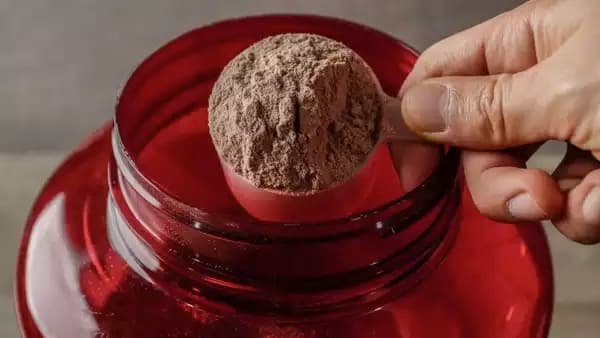
Protein powders have emerged as the trusted supplements to build muscles and boost satiety for highly active people and busy professionals. However, as per a new investigation, many commercially available protein powders have worrying amounts of heavy metals like lead and cadmium. The highest amounts of lead and cadmium has been found in plant-based, organic and chocolate-flavored products.

While many consider organic options healthier, the presence of heavy metals make them more toxic than normal varieties. The report by the Clean Label Project released on January 9 found that 77% of plant-based protein powders, 79% of organic protein powders and 65% of chocolate-flavored protein powders tested above California Proposition 65 safety thresholds for toxic metals. "The study’s findings highlight that despite the growing health-conscious market, many products may contain elevated levels of contaminants not reflected on traditional nutrition labels," the report read.

Tests were done on 160 products from 70 top protein powder brands, representing 83% of the market, as per the report.

Rice, peas, soy protein powders have triple the lead compared to whey products

The report mentions that protein powders made from plants like rice, peas or soy have been found to contain triple the amount of lead compared to products made from whey. Plants tend to absorb heavy metals from the planet’s crust but may contain more levels if grown in soil that is further contaminated by mining, industrial waste, and some pesticides and fertilizers.

Chocolate-flavoured protein powders raise concern

Chocolate is one of the preferred flavors for many due to its irresistible taste. However, the reports say there are alarming levels of heavy metals in this variety. "Chocolate-flavored protein powders contained four times more lead and up to 110 times more cadmium than vanilla-flavored powders," said Jaclyn Bowen, executive director of the Clean Label Project. While chocolate is high in flavonoids, antioxidants and other beneficial minerals, dark chocolate, or cacao, has been found to contain high levels of heavy metals. "With the lack of comprehensive federal regulations specifically addressing heavy metals in dietary supplements, it is critical that the industry independently takes proactive measures," the report read.

What happens when lead and cadmium enter our body

Studies have found a direct link between its intake from food to up to a three-fold increase in cancer mortality and up to a four-fold increase in CKD (Chronic Kidney Disease) risk. High amounts of lead consumed over a short period can cause several health problems. Some of the symptoms of lead poisoning are high blood pressure, abdominal pain, constipation, joint and muscle pain, pain, numbness or tingling of the extremities, headache, miscarriage or premature birth in pregnant women, fatigue, and, memory loss. Heavy metals from contaminated foodstuff and water enter the body through the digestive tract where they are absorbed into the bloodstream through the intestinal membrane. Once these heavy metals are integrated within the body, the majority are eliminated by the renal system within the urine, but a smaller portion remains within the bloodstream and/or is re-absorbed by the kidneys and eventually accumulates within the liver, kidneys, and bones, as per a report published in Nature. Chronic exposure to low levels of lead, cadmium and arsenic through commonly used household items, air, water, soil and food is linked with an increased risk of cardiovascular disease, according to a new American Heart Association scientific statement published in the Journal of the American Heart Association, an open access, peer-reviewed journal of the American Heart Association.

How to minimise the risk?

Be careful while choosing the brand of your prtien powder. Make sure to choose a reputed company and look for the conduct third-party metal tasting. Check the certifications of the product including if it is NSF certified. More than that, rather than just relying on the supplements, incorporate natural source of protein foods in your diet and then you can avoid exceeding the amount of recommended protein intake thorugh the powders.

Source : Dairynews7x7.com Jan 11th 2025 TOI
Swipe to continue reading

Previous Article

Next Article