Logo
IndianGlobalBlogsPublicationsPodcastsMarketAboutContact
Logo
IndianGlobalBlogsPublicationsPodcasts
7News
Mandatory Daily Record of Production and Raw Material UtilisationHeritage Foods inaugurates new Ice Cream PlantFSSAI makes registration to all milk vendors in IndiaGujarat Ice Cream Makers Face Cone ShortageSummer Heat to Stress India’s Dairy Cold Chain

Indian Dairy News

FSSAI Licences Get Perpetual Validity
Mar 14, 2026

FSSAI Licences Get Perpetual Validity

India’s food regulator, the Food Safety and Standards Authority of India (FSSAI), has announced a major reform granting perpetual validity to food licences and registration certificates, eliminating t...Read More

Dairy Sector a ‘Safety Net’ for Farmers: NABARD
Mar 14, 2026

Dairy Sector a ‘Safety Net’ for Farmers: NABARD

The Chairman of National Bank for Agriculture and Rural Development, Shaji K V, has highlighted the crucial role of India’s dairy industry in protecting rural livelihoods, describing it as a “safety n...Read More

Bihar Dairy Officer Arrested in ₹30,000 Bribery Case
Mar 14, 2026

Bihar Dairy Officer Arrested in ₹30,000 Bribery Case

A field officer of the district dairy development department in Bihar was arrested by the Vigilance Investigation Bureau (VIB) for allegedly accepting a bribe of ₹30,000 in West Champaran district. Th...Read More

DairyNews7x7
Advertisement

Latest Blogs

See More
Mandatory Daily Record of Production and Raw Material Utilisation
Mar 14, 2026

Mandatory Daily Record of Production and Raw Material Utilisation

I recently reviewed the notification issued by the Food Safety and Standards Authority of India in the context of Schedule IV of the Food Safety and Standards (Licensing and Registration of Food Busin...Read More

FSSAI makes registration to all milk vendors in India
Mar 13, 2026

FSSAI makes registration to all milk vendors in India

The recent advisory issued by Food Safety and Standards Authority of India (FSSAI) mandating registration of milk vendors is a timely and progressive step towards strengthening traceability and accou...Read More

Rajahmundry Milk Incident: Accident or Adulteration?
Mar 10, 2026

Rajahmundry Milk Incident: Accident or Adulteration?

The recent editorial “Bitter Milk” published by The Hindu raises important concerns about food safety in India. The editorial deserves appreciation for attempting to broaden the conversation and under...Read More

Milk Prices Rise in South & West: Is North Next?
Mar 05, 2026

Milk Prices Rise in South & West: Is North Next?

The recent round of retail milk price increases across South India and Maharashtra is no longer an episodic adjustment but a clear signal of structural stress building up in India’s milk economy. Over...Read More

Global Dairy News

Global Dairy Commodity Prices Show Signs of Rally
Mar 14, 2026

Global Dairy Commodity Prices Show Signs of Rally

Global dairy commodity prices have shown a rally in the first quarter of 2026, particularly for products originating from Australia and New Zealand, according to a new Q1 Global Dairy Quarterly report...Read More

How Walmart Keeps Great Value Milk So Affordable
Mar 14, 2026

How Walmart Keeps Great Value Milk So Affordable

Retail giant Walmart has managed to keep the price of its private-label Great Value milk significantly lower than many competing brands through a vertically integrated dairy supply chain and direct co...Read More

Lactose-Free Milk Seen as Growth Driver in Coffee
Mar 13, 2026

Lactose-Free Milk Seen as Growth Driver in Coffee

Lactose-free milk is emerging as a major growth opportunity for the dairy industry, particularly in the rapidly expanding coffee and café segment. A recent US-based study highlighted that lactose-free...Read More

DairyNews7x7
Advertisement
Dairy News 7x7

Your trusted source for all the latest dairy industry news, market insights, and trending topics.

FOLLOW US
CATEGORIES
  • Global News
  • Indian News
  • Blogs
  • Publications
  • Podcasts
SUBSCRIBE TO OUR NEWSLETTER

Stay informed with the latest updates and trending news in the dairy industry.

No spam, unsubscribe at any time

GET IN TOUCH
C-49, C Block, Sector 65,
Noida, UP 201307
+91 7827405029dairynews7x7@gmail.com

© 2026 Dairy News 7x7. All Rights Reserved.

Terms of ServicePrivacy Policy
Prefer Us
Prefer Us

Greening Indian White Revolution: Pathways to Carbon Neutrality

By DairyNews7x7•Published on August 13, 2024

Greening Indian White Revolution: Pathways to Carbon Neutrality
Prefer on

The new government’s 100-day action plan, includes establishing the National Council for Agriculture and Rural Transformation (NCART). This pivotal initiative represents a strategic reorientation towards integrated and sustainable agricultural practices. For the dairy sector, this presents a critical juncture to align with these new paradigms, potentially setting a sustainable course that could serve as a model for other sectors. The question now is whether the dairy industry will seize this opportunity to innovate and adapt.

Indian Dairy Sector and the Challenge for Sustainability

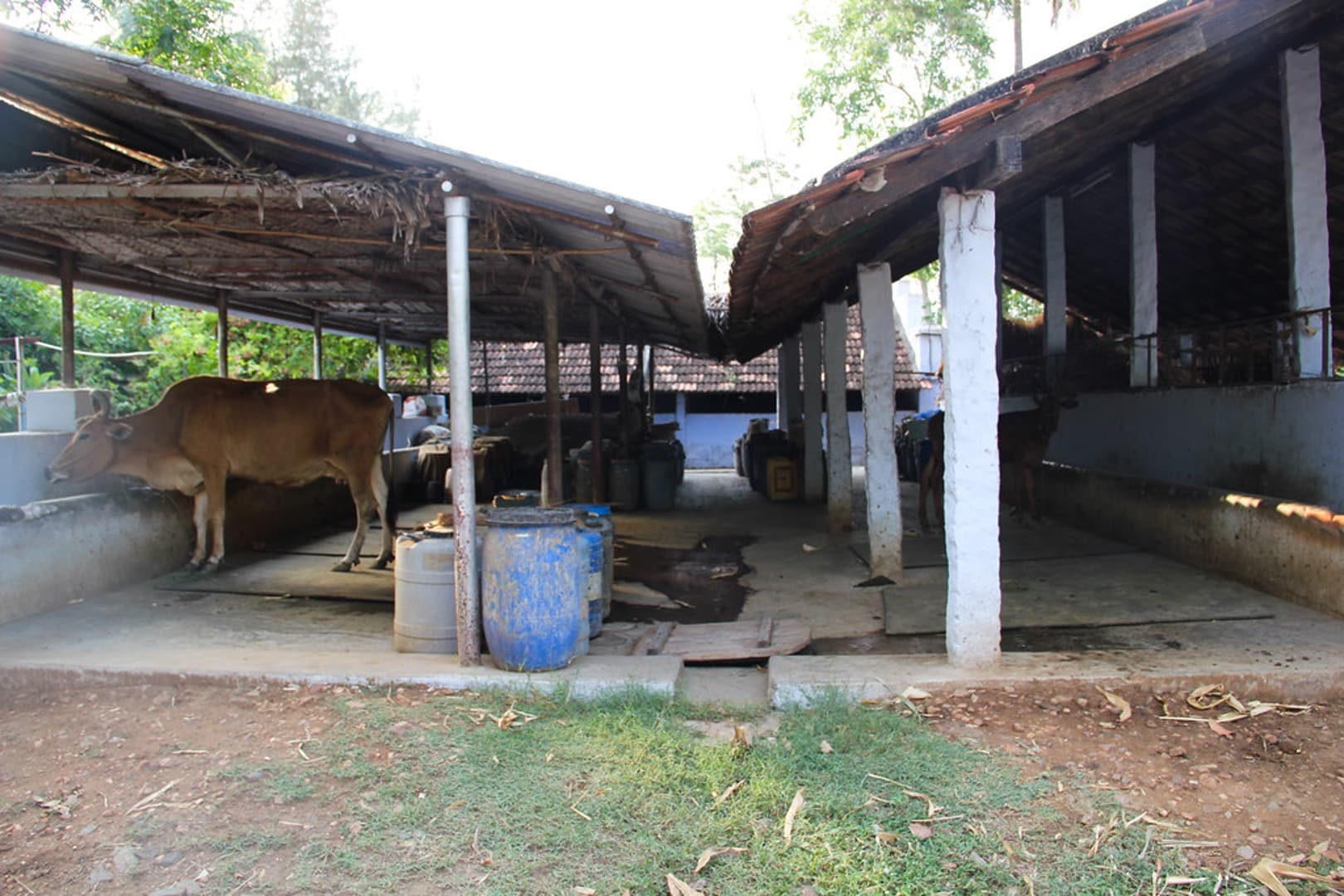
The dairy industry in India faces significant challenges due to global environmental concerns. As the world’s largest producer of milk, the sector is crucial for the livelihoods of millions and the nutritional needs of its vast population. However, the industry also contributes significantly to greenhouse gas emissions, exacerbating global warming. India’s dairy sector produces around 210 million tonnes of milk annually, supporting over 70 million dairy farmers, predominantly smallholders, and providing direct and indirect employment to millions. Women play a crucial role in dairy farming, contributing to various activities such as milking, feeding, and managing dairy animals.

Methane, produced during the digestive process of ruminant animals like cows and buffaloes, is the most significant of these emissions. Methane’s global warming potential is 25 times greater than carbon dioxide over a century, and India’s vast number of dairy cattle amplifies this effect, positioning the country as a leading methane emitter globally. Nitrous oxide emissions, originating from manure management and fertilizer application for feed crops, are another critical concern. Nitrous oxide has a global warming potential about 298 times that of carbon dioxide over a century. Mismanagement of manure and excessive fertilizer use significantly contribute to these emissions. India has pledged to reach a Net-Zero GHG (Greenhouse Gas) target by 2070. In the dairy sector, enteric fermentation is identified as the primary source of emissions, accounting for roughly 70% of the total GHGs from cradle to farm-gate. Contributions from manure management, feed production, and on-farm energy usage are also significant, representing approximately 15%, 10%, and 5% of emissions, respectively, as highlighted in the keynote address by Shri Meenesh Shah, Chairman, NDDB, during the National Seminar on Indian Dairy Industry—Vision 2030 on February 15, 2023.

Economic and Demographic Context

In India, the severity of these emissions is compounded by the economic and demographic context. The country’s population heavily depends on agriculture and dairying for livelihoods, making it challenging to reduce emissions while maintaining productivity and food security. The Indian dairy sector, characterized by smallholder farmers relying on traditional practices, often lacks the resources and knowledge to implement sustainable methods. Furthermore, inefficiencies in production exacerbate the environmental footprint. Low productivity per animal necessitates a larger number of animals to meet dairy demands, increasing overall emissions. Additionally, reliance on crop residues and green fodder contributes to land degradation and deforestation, indirectly adding to greenhouse gas emissions.

To address these issues, a multifaceted approach is required, involving improved livestock management, better manure handling, advanced feed technologies, and enhanced production efficiency. Supporting smallholder farmers through education and resources is crucial for adopting sustainable practices and mitigating the environmental impact of dairying in India. As India strives to balance economic growth with environmental sustainability, the dairy sector’s contribution to greenhouse gas emissions remains a critical focus. Implementing effective mitigation strategies is essential to reduce the sector’s carbon footprint and combat global warming, ensuring a sustainable future for both the industry and the planet.

Harnessing Cow Dung for Sustainability

Cow dung, a by-product of the dairy industry, can play a crucial role in balancing the sector’s carbon footprint. The global demand for cow dung imports has seen a significant rise due to the growing emphasis on sustainable and organic farming practices. India has positioned itself as the largest exporter of cow dung, catering to countries such as the Maldives, the United States, and Malaysia. Kuwait recently imported 192 metric tonnes of cow dung from India, aiming to enhance agricultural productivity through organic methods. This import, meticulously supervised for quality and compliance, highlights the increasing global recognition of cow dung’s benefits in improving soil fertility and crop yields.

Cow dung can be processed into organic manure, serving as an effective fertilizer that reduces reliance on synthetic fertilizers and decreases nitrous oxide emissions. This organic manure enhances soil health and improves crop yields by slowly releasing nutrients, thereby improving soil structure and fertility over time. Additionally, cow dung can be utilized in biogas plants to produce renewable energy,

that would otherwise be released into the atmosphere. The residual slurry from biogas production can be used as a nutrient-rich fertilizer, creating a closed-loop system that maximizes resource efficiency. The application of cow dung-based compost to agricultural fields enhances soil carbon sequestration, mitigating climate change by reducing atmospheric CO2 levels. By providing an alternative energy source, biogas from cow dung reduces the need for firewood and fossil fuels, decreasing deforestation and carbon emissions. This shift benefits the environment, improves air quality, and supports sustainable farming practices by recycling nutrients and organic matter within the farming system, thus reducing waste and environmental impact.

Government Initiatives and Pilot Projects

The GOBARDHAN project, a multi-agency initiative led by the Government of India, aims to mitigate the environmental impacts of agriculture by promoting the use of organic fertilizer and fuel using animal dung and agricultural waste. The initiative has established successful pilot models on manure value chains in various villages, harnessing the potential in cow dung to meet the electrical and thermal energy needs of dairy plants with dung-based biogas plants.

The National Dairy Development Board (NDDB) has successfully implemented pilot models on manure value chains in Mujkuva and Jakariyapura villages of Anand district, exploiting the potential of cow dung. Additionally, NDDB is developing a large-scale model at the Varanasi Milk Union, where dung-based biogas plants meet the electrical and thermal energy requirements of dairy plants. The Banaskantha District Co-operative Milk Producers Union is championing the use of cattle dung biogas plants by cooperative dairies and entrepreneurs utilizing cow dung and agricultural wastes. Financial support is available through the Animal Husbandry Infrastructure Development Fund and Dairy Infrastructure Development Fund, which offer interest subvention on projects that transform cow dung and agricultural wastes into compressed biogas and organic fertilizers.

While the challenges are significant, the opportunities for innovation and sustainability in India’s dairy sector are substantial. The resilience of India’s farming communities, combined with strategic government and cooperative initiatives like GOBARDHAN, can transform these environmental challenges into opportunities for sustainable growth. This approach not only addresses environmental concerns but also strengthens the socio-economic standing of farmers, ensuring a balanced and sustainable future for all.

Innovative Community Projects

In the village of Hambran, located in the Ludhiana district of Punjab, a transformative project has significantly improved the lives of its residents and the welfare of its cattle. The community, Govind Godham, comprises 80 families and includes a cow shelter (gaushala) that provides care for nearly 2,000 sick, injured, or retired cattle. Recognizing the challenges of high energy costs and unreliable electrical supply, the community installed a biogas plant in 2014, which has become a cornerstone for sustainable development in Hambran.

India’s role in the cow dung export market extends beyond its borders, as it ranks first globally in cow dung cakes exports. New research suggests that the European Union may be compelled to import organic waste materials, such as cow dung and wood, if it does not place limitations on the amount of bioenergy that can count towards its renewable energy targets.

The Role of Large Cooperatives in Sustainable Practices

Large cooperatives like AMUL and Nandini are playing a crucial role in addressing the environmental challenges faced by India’s dairy sector. AMUL, a prominent entity in India’s dairy sector, is forging partnerships with its cooperative networks to harness cow dung for the production of biogas and biofertilizers. The conversion of dung into biogas not only facilitates household cooking and vehicle fueling but also generates residual biofertilizer that supports agricultural activities and diminishes the nation’s reliance on imported fuel and fertilizers. In a strategic shift toward energy solutions, AMUL is investigating methods to derive hydrogen from the methane produced during the biogas process, positioning itself as both a food and energy provider.

In a significant development in September 2023, Banas Dairy engaged in a tripartite agreement valued at Rs 230 crore to establish four dung-based biogas plants in the Banaskantha district of Gujarat. This venture is intended to augment farmer incomes, reduce the environmental impact of both the dairy and automotive industries, and facilitate the production of organic fertilizers.

Building on these pioneering initiatives by AMUL and its cooperative partners, there is ample scope for further expansion and innovation within the biogas sector. To maximize the impact and reach of these endeavors, AMUL, along with other cooperatives, could explore additional avenues such as developing more advanced, scalable biogas technology that can be easily implemented across different regions of India. Such technologies would not only enhance the efficiency of biogas production but also ensure that smaller cooperatives with limited resources can adopt these practices. Partnering with local governments and businesses can facilitate the integration of biogas into the local energy mix, promoting its use in public transport, cooking, and industrial applications. Large corporations with extensive carbon footprints are increasingly held accountable for their environmental impact. They can leverage investments in sustainable practices, such as biogas production from cow dung in partnership with dairy cooperatives, to significantly reduce their carbon emissions. This collaboration not only aids in achieving carbon neutrality but also supports rural economies and sustainable agriculture. Forming strategic partnerships with established dairy cooperatives allows corporations to tap into existing infrastructures and networks, benefiting from their deep understanding of rural supply chains and community dynamics. By investing in biogas production, corporations can generate carbon credits through verified emissions reductions, which can then be traded in carbon markets or used to meet corporate carbon neutrality objectives. Effective communication and engagement with all stakeholders, including local communities, government bodies, and environmental groups, are crucial for the sustainability and acceptance of these projects.


Stay Updated

Get the latest dairy industry news directly in your feed.

Prefer Us on Google Search

Swipe to continue reading

Previous Article

Next Article