




Let’s chat regarding your organic food foray. It is a big market. How differentiated would your product lines be? There are already very aggressive incumbents out there. How much do you aim to carve out for yourself in the next two to three years?
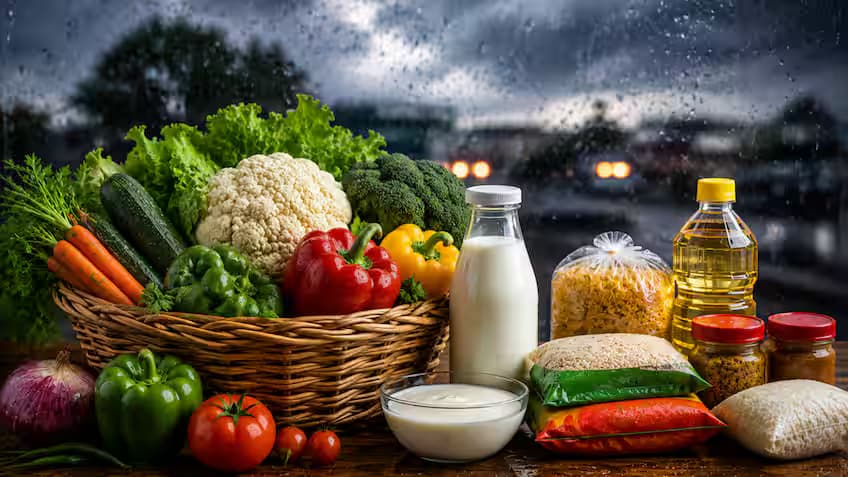
Jayen Mehta: The point which we are going to discuss is affecting all of us, for what we eat and what is the quality of food that we eat, is it free of chemical fertilisers or pesticides and that is what brings Amul into the space of organics and that is where our effort is to connect the producer who wants to convert to organics and find a market to consumers who want good quality certified organic products from a brand which they trust. This is what our effort has been and we launched about 25 products in the organic space be it atta or the different types of rice or different types of dals and pulses and also ginger and haldi and also getting into sugar and jaggery and different types of masalas and bajra and all that stuff.So, while we are doing it, it appears that Amul is doing it on its own. There is a whole lot of institutional and cooperative support in the background which has also started working on this initiative and together we want to make this change happen at scale nationally and not just with Amul brand. They also have a brand, which the new multi-state cooperative we are promoting is having, the Bharat brand. So, together we will be able to make a big difference in this initiative that we have taken recently.
That is the other thing that I wanted to probe in the next four to five years. How will Amul reach and cover the entire span of the country now barring a few products, it is a very region-specific brand right now. How do you plan to take this pan-India and even globally? Jayen Mehta: We need to reach out to farmers who are already certified or keen to do certification. There are several states of the country where you find organic products, but then nobody has done handholding for them. So, yes, it is a nationwide initiative, almost from Gujarat to the northeast of Sikkim and Himachal and the Himalayas down south, we find a lot of good work happening across the country.
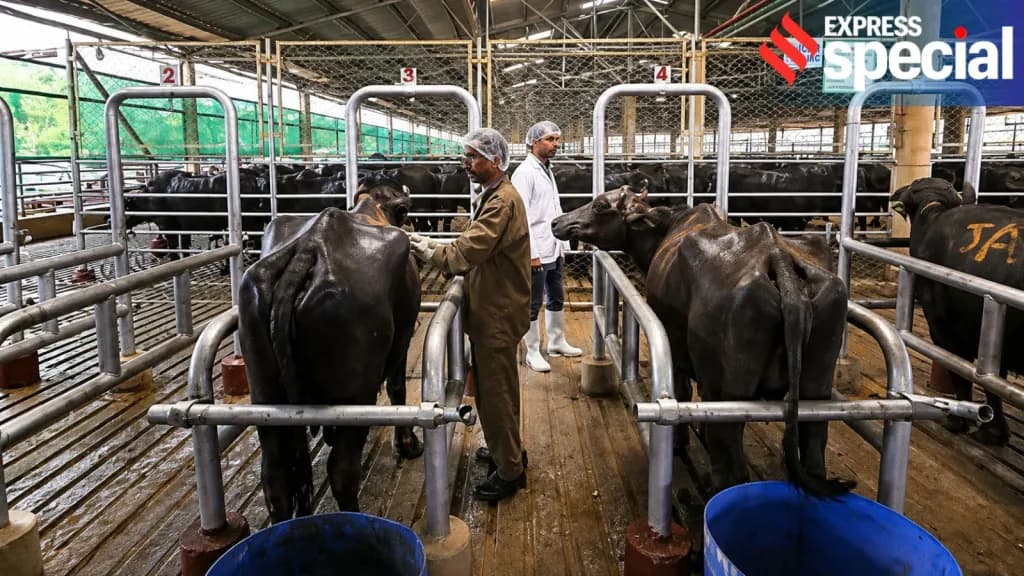
So, Amul and the new multi-state cooperative organics both will do handholding of all these farmers, even encourage more farmers elsewhere to get into this space, work on getting the certification of their soil, and use Amul economy model where they can even convert the dunk of our cattle into organic manure, get back to the field, use it extensively with the support that is required for a farmer and make this change happen and, of course, the brand has to have a nation-wide distribution network which already we are there in more than 50,000 outlets.
Amul is there in a million outlets, we need to catch up a lot but that requires a lot of consumer education as well and that is where we also want to democratise organic people, think that organic products are two to three times more expensive than the normal stuff, which is not the case. So, this is what our effort in educating the farmers, educating the customers, and being a bridge between both so that we can make a difference both in the lives of the farmers and consumers as well.