India’s 20th Livestock Census reveals a substantial population of livestock, including 303.76 million bovines, 74.26 million sheep, 148.88 million goats, 9.06 million pigs, and nearly 851.81 million poultry.
India has made significant strides in its animal husbandry and dairy sectors, becoming the world’s largest milk producer and the third-largest egg producer. This industry has experienced consistent growth, with an annual rate of about 8% from 2014 to 2022. It plays a vital role in feeding approximately 200 million people in the country. Agriculture and animal husbandry have been essential to human civilization throughout history, providing food and draught animal power while also helping maintain ecological balance.
Animal Husbandry Market Size In India
India’s 20th Livestock Census reveals a substantial population of livestock, including 303.76 million bovines, 74.26 million sheep, 148.88 million goats, 9.06 million pigs, and nearly 851.81 million poultry. Livestock plays a vital role in Indian agriculture by enhancing food security, generating income and employment, serving as a safety net during crop failures, providing draught power and valuable manure for crops, and contributing to foreign exchange through exports. India’s livestock sector is one of the largest globally, and government initiatives and a more favourable business environment are fostering innovation and private-sector investments. Notably, the Union Budget for 2023-24 allocated a nearly 40% increase to the Department of Animal Husbandry and Dairying, with a budget of US$ 527.53 million (Rs. 4,327.85 crore), up from the previous year’s allocation of US$ 378.50 million (Rs. 3,105.17 crore).
Animal Husbandry in India
Animal husbandry encompasses livestock farming and breeding, involving the care and management of animals to enhance their genetic traits and behaviours for economic purposes. This branch of agriculture focuses on raising animals for various products like meat, fibre, eggs, milk, and more, making it a significant income source for many farmers.
In India, the animal husbandry and dairy sectors have a crucial socioeconomic role, supported by the nation’s favourable environment and cultural traditions. These practices create employment opportunities, particularly for small-scale and marginalized farmers, as well as women, while also providing affordable and nutritious food to a vast population. India boasts abundant livestock and poultry resources, contributing significantly to the rural population’s socioeconomic well-being.
India holds top positions in global production, being the world’s largest producer of milk and buffalo meat, the second-largest producer of goat meat, the third-largest producer of eggs, and the eighth-largest producer of meat.
Types Of Animal Husbandry in India
Animal husbandry in India encompasses various types of livestock farming and management practices. Here are some of the well-known types of animal husbandry in India:
Dairy Farming
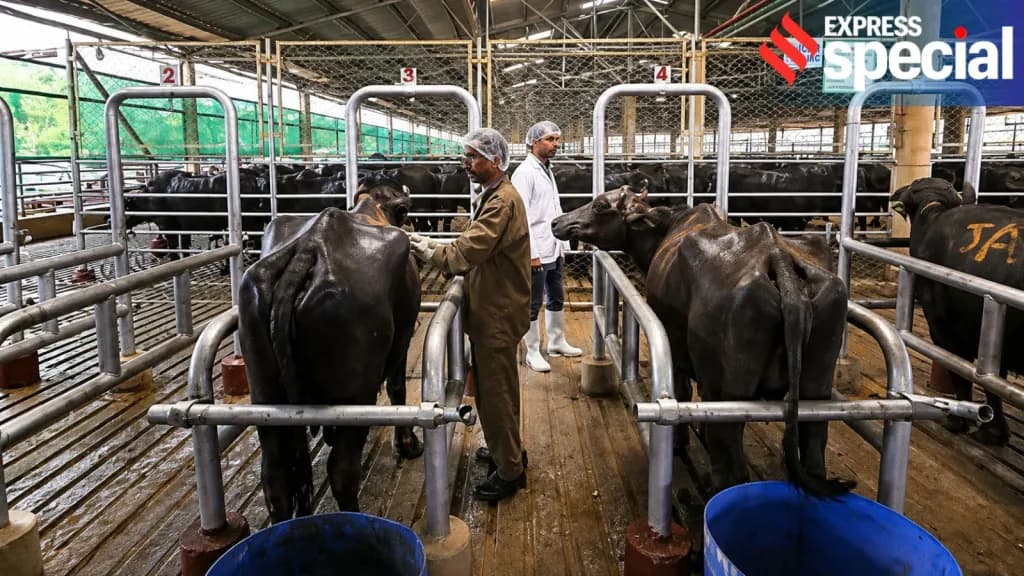
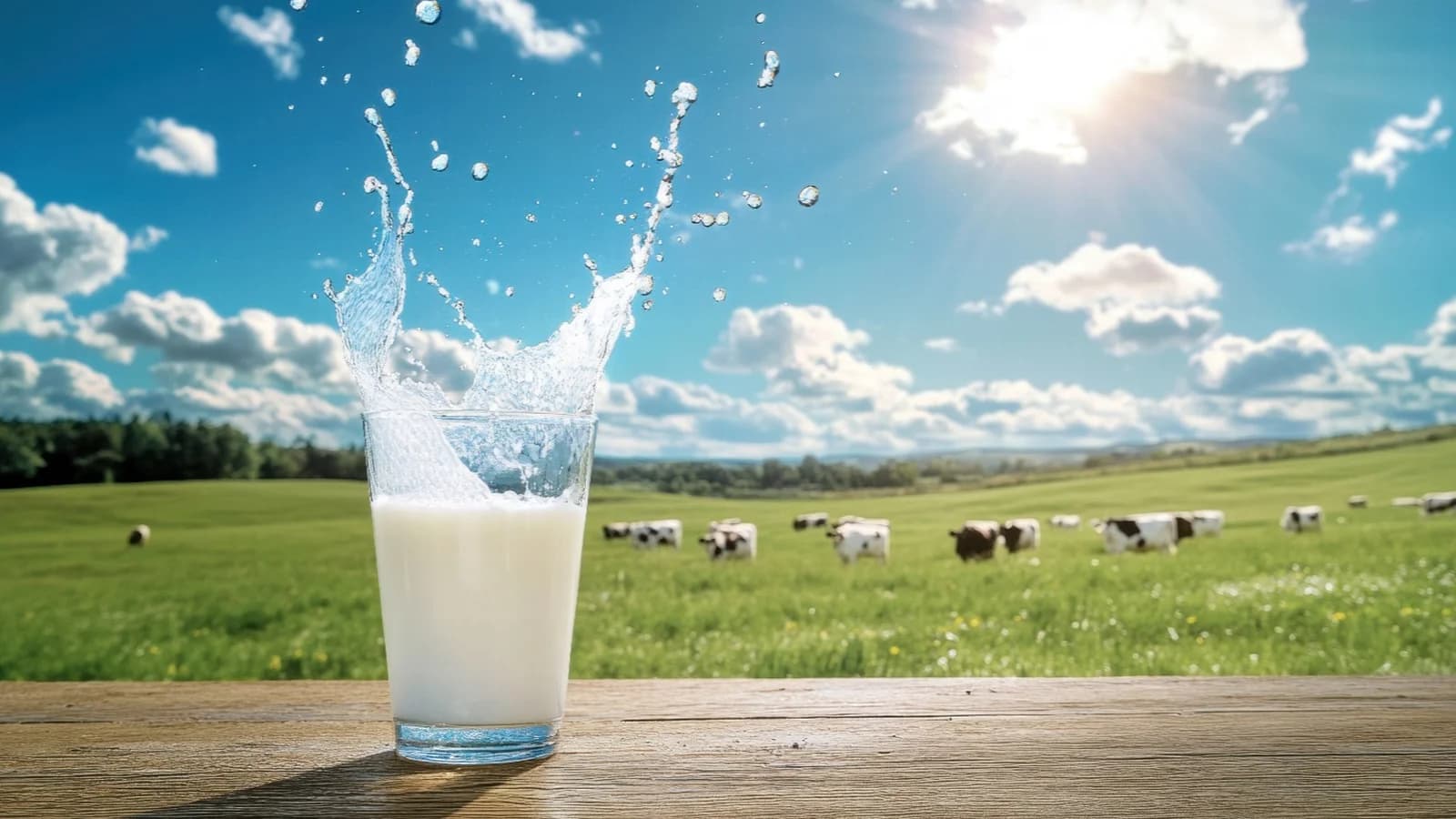
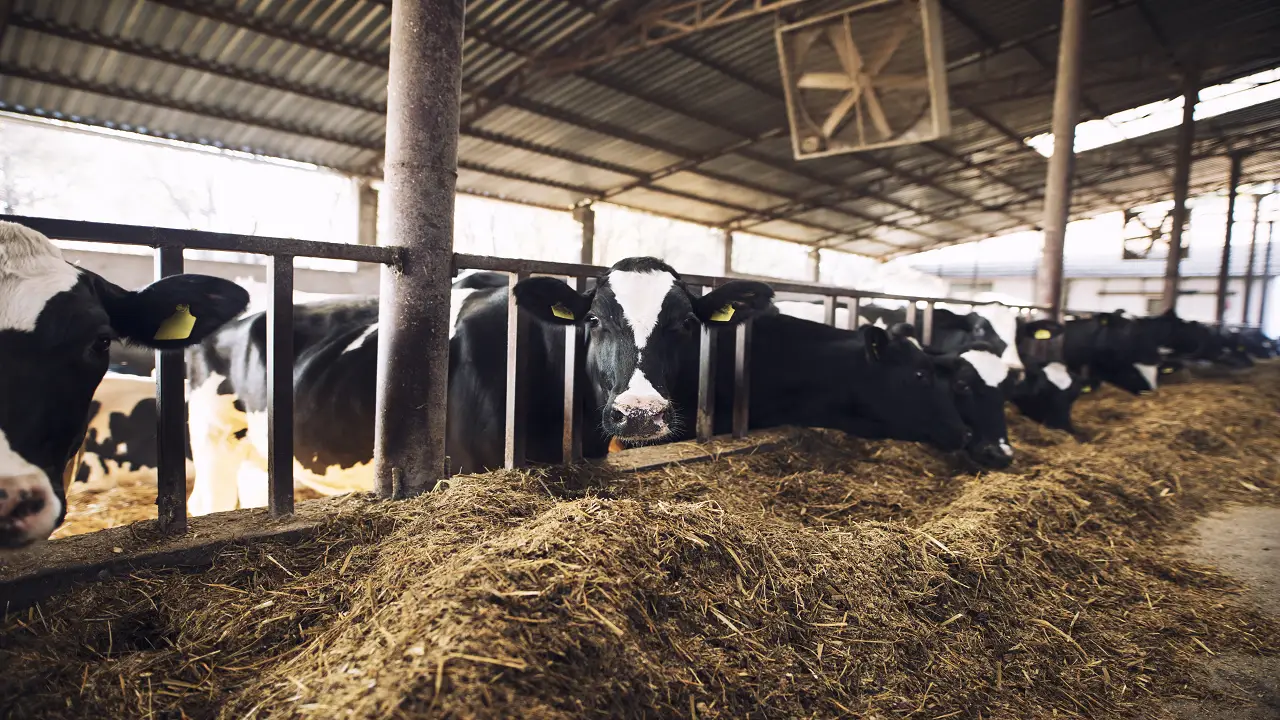
Dairy farming is a branch of agriculture focused on milk production, which is processed into various dairy products. It involves the care of dairy animals like cows, buffaloes, sheep, and goats, with a strong emphasis on their health. Milk is collected either manually or by machines and is then processed for commercial use. Dairy farming is economically significant, contributing 5% to India’s GDP and providing employment to 80 million farmers. India is the world’s leading milk producer, with a remarkable 51.05% growth in milk production over the last eight years, far surpassing the global average of 1.2%. Per capita milk availability in India is 444 grams per day, higher than the global average of 394 grams per day in 2021-22.
Cattle farming in India (Photo Courtesy: Freepik)
Bee Farming
Bee farming, or apiculture, entails humans maintaining bee colonies in man-made hives. This practice is primarily centred around the large-scale cultivation of honeybees, which are raised for honey and wax production and for aiding in flower pollination. The facility where bees are kept is referred to as an apiary or bee yard.
Fish Farming
Fish farming, or pisciculture, is the practice of raising fish in controlled environments like tanks and ponds for economic purposes. It responds to the growing demand for fish and fish protein, with species like salmon, catfish, cod, and tilapia being commonly cultivated. There are two main approaches: extensive aquaculture, which utilizes natural photosynthesis, and intensive aquaculture, where fish are provided with external food sources.
Poultry Farming
Poultry farming involves the commercial breeding of birds like chickens, ducks, turkeys, and more for meat and eggs. To ensure high-quality food products, it’s crucial to maintain the health of these birds and create a disease-free environment. Poultry farming not only provides a source of protein in the form of meat and eggs but also contributes to employment and income improvement for farmers. India ranks third in global egg production and eighth in meat production. Over the past few years, India has seen substantial growth in egg production, with an annual increase of 8%, reaching 129.60 billion eggs in 2021-22. Per capita egg availability in India is 95 eggs per year. Additionally, meat production has increased from 6.69 million tonnes in 2014-15 to 9.29 million tonnes in 2021-22.
Advantages of Animal Husbandry In India
Animal husbandry plays a crucial role in the effective care and oversight of domestic animals, ensuring they receive appropriate nourishment, shelter, and disease prevention.
It offers employment opportunities to a substantial portion of the agricultural workforce, thereby improving their quality of life.
Through the practice of crossbreeding, it facilitates the development of superior animal breeds, resulting in increased production of diverse food items like milk, eggs, and meat.
Additionally, it promotes responsible disposal of animal waste, fostering a healthier environment.
Stay Updated
Get the latest dairy industry news directly in your feed.