Latest Blogs
See More




Indian Dairy News



DairyNews7x7
Global Dairy News


DairyNews7x7
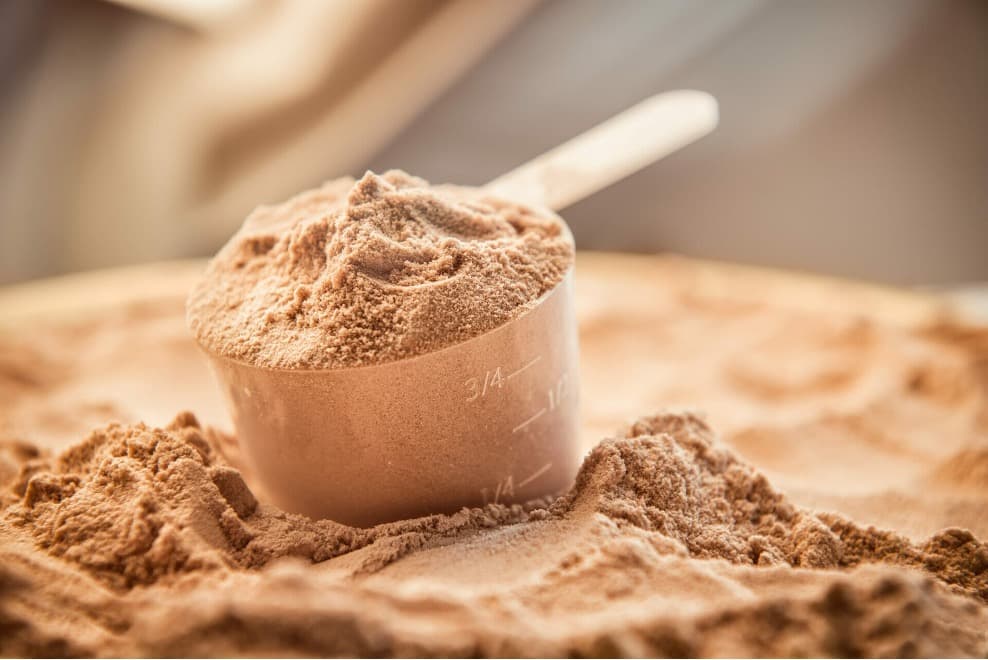
In a world where health and wellness are becoming increasingly important, protein is an essential nutrient supporting muscle growth, repairing tissues, and promoting overall well-being. This is especially true in the case of bodybuilders and fitness enthusiasts who need more protein in their diet to match their activity levels. For many, finding the right source of protein can be a challenge, more so if you are vegetarian.
However, one protein source has been identified to be both effective and accessible: whey protein. Originating from the dairy industry, whey protein has become a popular supplement among fitness enthusiasts, athletes, and health-conscious individuals. Let’s delve into how whey protein, from its dairy roots to your glass, offers a healthy way to consume protein.
1. Whey protein concentrate (WPC): It contains about 70-80 per cent protein, along with some lactose and fat. It’s the least processed form and retains more of the beneficial nutrients found in whole milk.
2. Whey protein isolate (WPI): It has around 90 per cent or more protein, with most of the lactose and fat removed. It’s ideal for those who are lactose intolerant or looking to minimize carbohydrate intake.
3. Whey protein hydrolysate (WPH): This is the pre-digested form of whey protein, which allows for quicker absorption. It’s often used in medical protein supplements and infant formulas.● Muscle Building and Recovery: Being rich in branched-chain amino acids (BCAAs), especially leucine, whey protein stimulates muscle protein synthesis which is essential for muscle growth and repair.
● Weight Management: High protein intake can improve metabolism and reduce appetite, making whey protein the perfect tool for weight management.
● Immune Support: Whey protein contains immunoglobulins and lactoferrin, which support the immune system.
● Easy Digestibility: Compared to other protein sources, whey is quickly digested and absorbed, making it an excellent post-workout supplement.
The Indian Council of Medical Research (ICMR) suggests that the average adult should consume about 0.8-1.0 grams of protein per kilogram of body weight daily. For individuals engaging in regular workouts, this requirement can rise to 1.6-2.2 grams per kilogram.
India, with its diverse culinary traditions, offers various natural sources of protein like lentils, beans, and dairy products. However, integrating whey protein into the Indian diet can bridge the protein gap for those needing higher intake, such as athletes or those with specific health goals.
Whey protein can be used in smoothies and shakes or even in traditional desserts like Kheer, halwa or laddoos to increase their protein content.