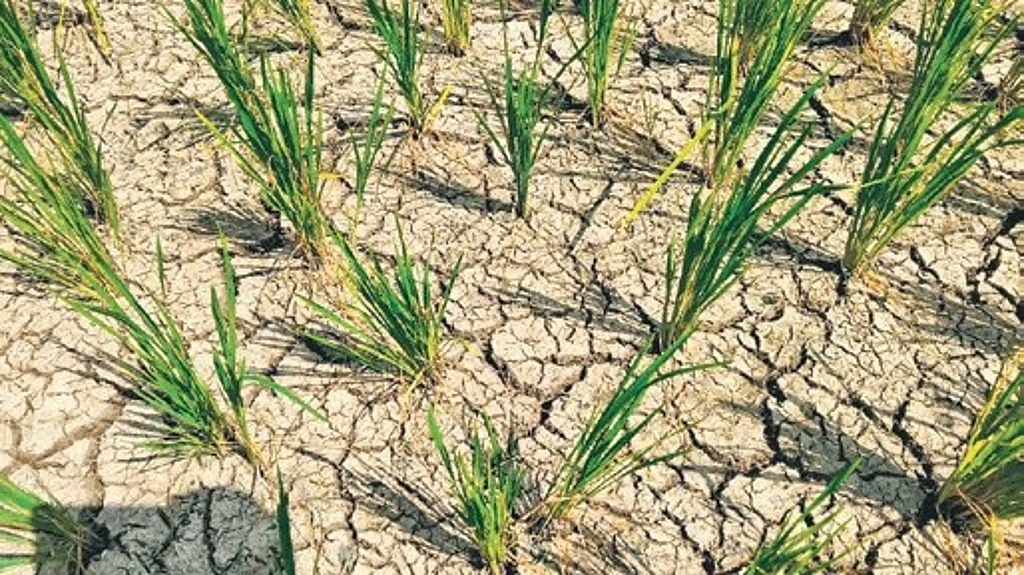
Karnataka could face severe drought conditions in 2027 if prevailing El Niño conditions continue beyond February-March next year, according to M.S. Divakara, director of the Karnataka State Natural Disaster Monitoring Centre (KSNDMC).
Divakara said prolonged El Niño conditions have contributed to 2026 recording Karnataka’s lowest rainfall in five decades. As of September 16, 30 of Karnataka’s 31 districts were in the rainfall-deficient category, according to the report.
The India Meteorological Department (IMD) has also reported rainfall deficiency across South Peninsular India during the 2026 South-West Monsoon. The deficit has implications for agriculture, water availability and rural livelihoods.
El Niño refers to a warming of the equatorial Pacific Ocean that can alter atmospheric circulation, cloud formation and rainfall patterns. According to the report, the latest international ENSO assessment indicated that El Niño was strengthening, while the U.S. National Oceanic and Atmospheric Administration (NOAA) gave a more than 90% probability of a very strong El Niño during the Northern Hemisphere autumn and winter of 2026-27.
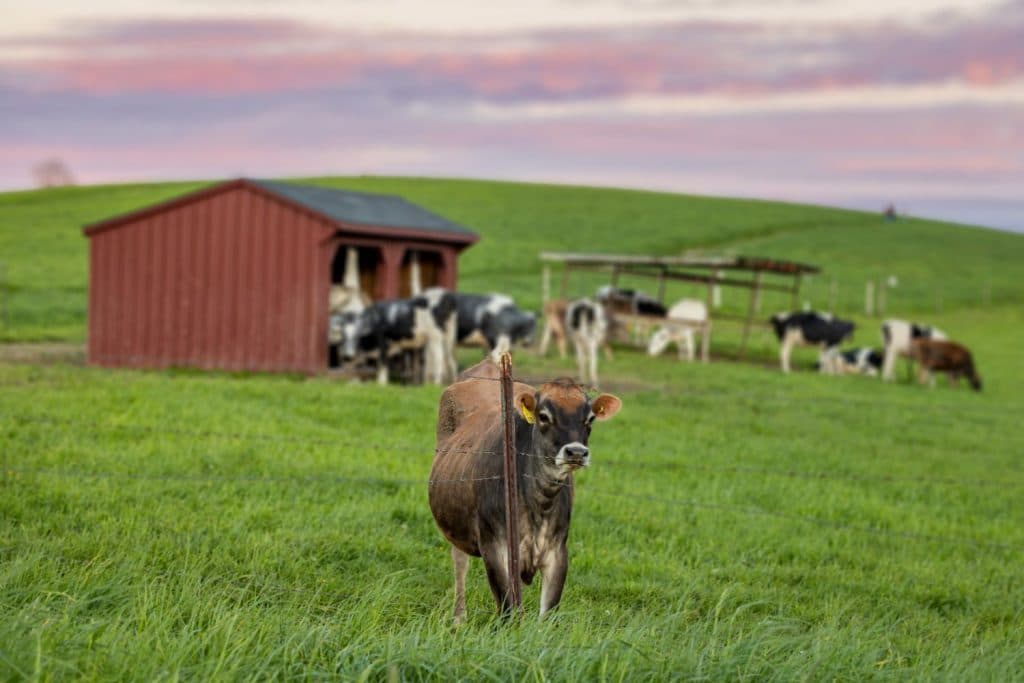
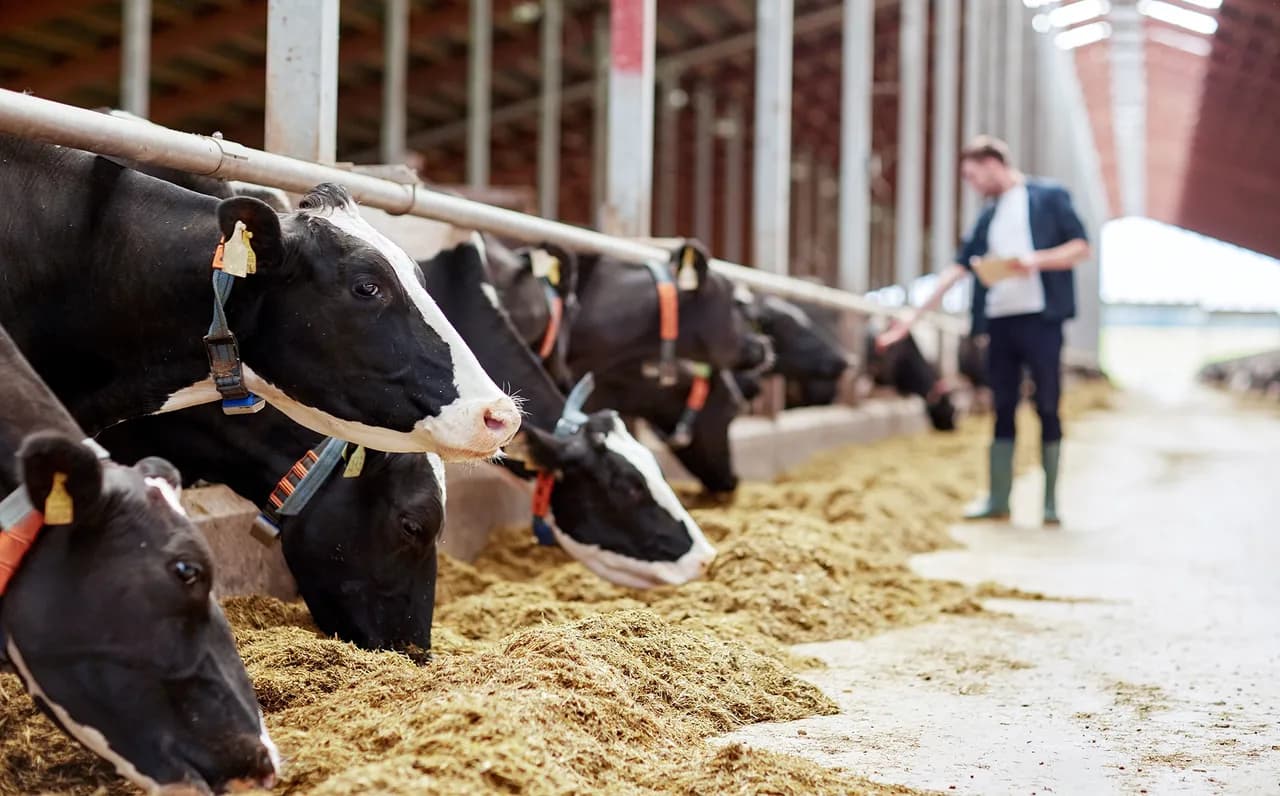
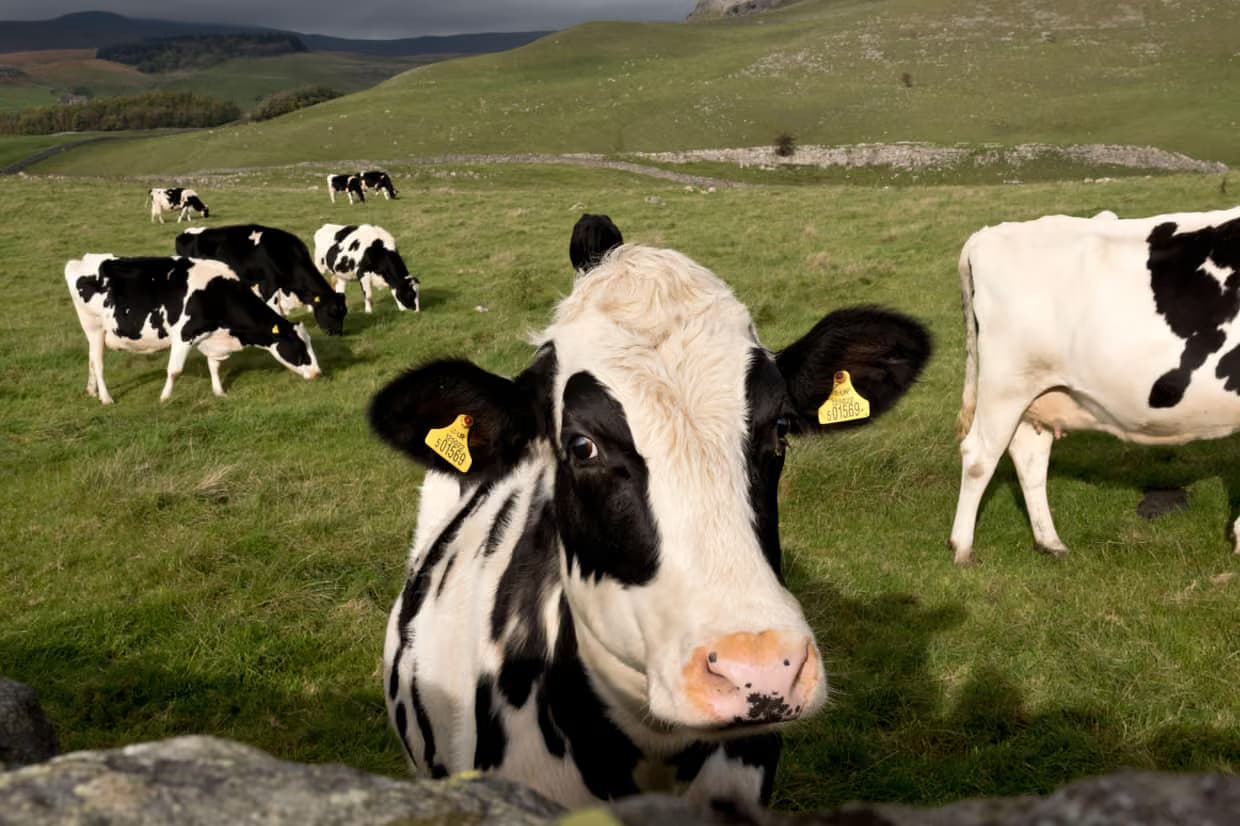
The potential consequences extend beyond crop production. Divakara identified fodder availability, livestock, dairy farming and rural livelihoods among the areas that could come under pressure if dry conditions persist.
For dairy farmers, prolonged rainfall deficiency could affect the availability and cost of fodder and water. The report also noted that farmers are increasingly considering drought-resilient crops, including ragi and other millets that require comparatively less water.
Researchers have developed photo-insensitive and drought-tolerant crop varieties that can withstand variations in rainfall and temperature, according to Divakara.
Rainfall during the latter part of September could provide some relief. Low-pressure systems developing over the Bay of Bengal may bring rainfall to parts of Karnataka, potentially improving soil moisture and water availability ahead of the Rabi season.
However, if El Niño persists through February-March, changes in temperature and atmospheric moisture could also affect winter crops such as Bengal gram and mango. The impact is expected to vary between regions because rainfall and temperature patterns are not uniform across the state.
Divakara stressed that El Niño does not necessarily mean Karnataka will receive no rainfall. A key concern is rainfall distribution, with some locations potentially receiving intense rainfall while others remain dry.
Short, intense rainfall events can also produce substantial runoff and local flooding without providing sufficient soil moisture or groundwater recharge in rainfall-deficient areas.
The report called for advance preparedness, including drought-resistant crops, adequate fodder supplies, protection of drinking-water sources and stronger water-conservation measures. Contingency planning for agriculture and livestock could become increasingly important if dry conditions extend into 2027.
NOAA's September outlook, as reported by The New Indian Express, put the probability that the October-December 2026 El Niño could exceed the strength of previous El Niño events recorded since 1950 at 75%.
For Karnataka's dairy sector, the evolving weather situation makes monitoring water availability, fodder supply and livestock conditions particularly important as the state moves toward the Rabi season and the 2026-27 winter period.
Source: Dairynews7x7 18 Sep, 2026 Read full story here
#DairyIndustry #DairyFarming #KarnatakaDairy #ElNino #Drought #Livestock #ClimateSmartAgriculture