Latest Blogs
See More




Indian Dairy News



DairyNews7x7
Global Dairy News


DairyNews7x7
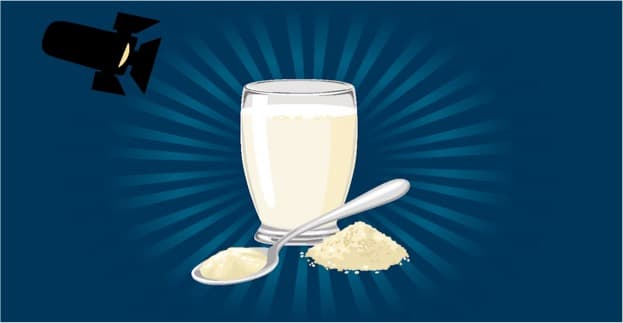
The dairy industry is milking consumer trends with a slate of product innovations.
Consumers are showing increased preference toward dairy products with more protein, less sugar, more convenience, and without lactose, according to PMMI Business Intelligence’s “2023 Dairy Industry Report: Innovation, Adaptation, Transformation.” The industry is capitalizing on these trends with new products that meet demand.
A recently released line of cottage cheese fortified with probiotics aligns with consumer preferences. The product also promises itself as having twice the protein content of yogurt, contains real fruit, and is high-fructose corn syrup free, covering a wide range of consumer concerns.
Another novel product in development that is expected to hit the market is animal-free dairy milk. Produced from strains of whey protein through cellular agriculture, this “lab-grown” milk boasts a significantly smaller carbon footprint. It can also easily be manipulated into formulations like lactose-free.
While lactose sensitivity is well known, recent research suggests that some individuals are actually sensitive to one of the casein (protein) compounds in milk, specifically the A1 beta casein. To address this, dairy producers are introducing products that contain only the A2 beta casein, giving consumers with the A1 sensitivity a healthier and more approachable option.
Advanced processing technology is also allowing for an extended shelf-life of fluid milk.
ESL, or extended shelf-life processing, utilizes high temperatures to produce milk that has lower microbial counts than pasteurized milk, extending the refrigerated shelf life by up to four months.
UHT, or ultra-high temperature processing, takes this concept a step further but utilizes additional heat and aseptic filling techniques to produce a fluid milk product that is fully shelf-stable at ambient temperatures for up to a year.
These two technologies are helping fluid milk producers drive their products into new channels and improve the convenience of fluid milk, especially in developing countries with less refrigerated distribution infrastructure.
However, sugar is also an important texture-improving ingredient, meaning dairy producers must rely on other bulking agents, fiber, or other texturizers to replicate the mouthfeel of sugar.
It is important for dairy producers to explain what these additives are and why they are used. Label-savvy consumers often don’t recognize these ingredients and don’t realize they are texture additives.
Dairy producers can stand out by catering to DTC channels, but they must ensure their packaging can withstand the rigors of rougher handling.
The product addresses the needs of consumers by making it more convenient and usable since cooking at home increased during the pandemic and has endured into recovery.
SOURCE: Packworld Sep 29, 2023 Dairy Industry Report: Innovation, Adaptation, Transformation