Latest Blogs
See More

Indian Dairy News


DairyNews7x7
Global Dairy News


DairyNews7x7
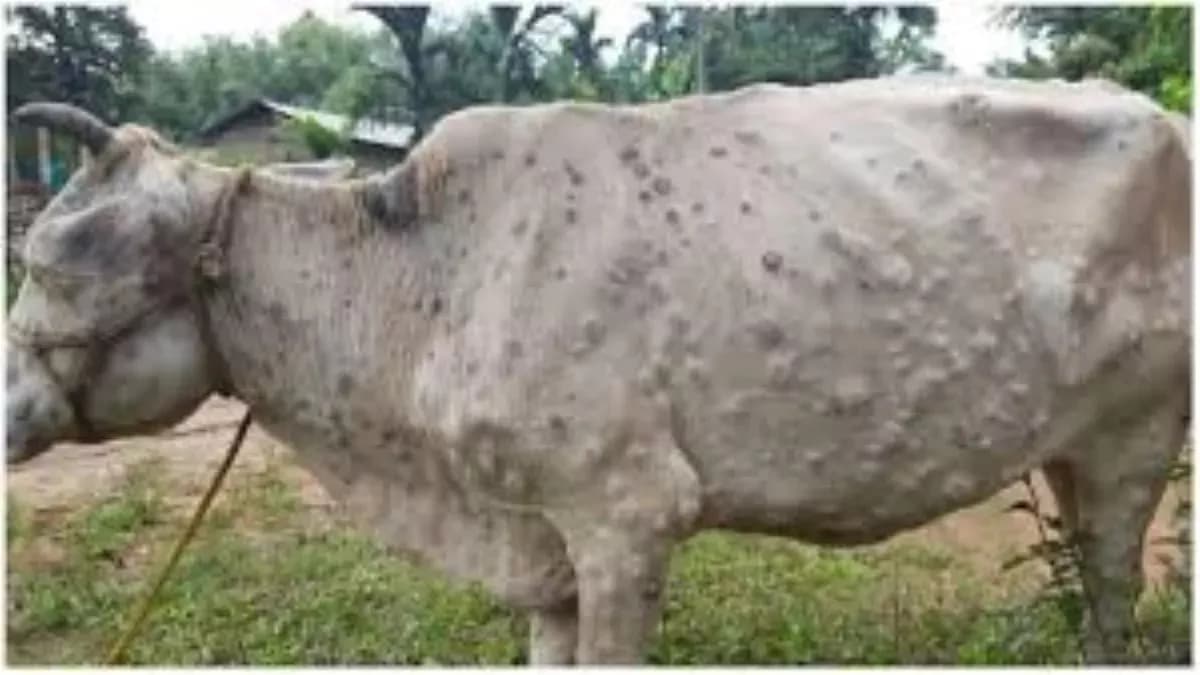
With Maharashtra, Uttarakhand, Karnataka and Sikkim reporting fresh cases of lumpy skin disease in May, the Union Ministry of Animal Husbandry reviewed the situation, concluding that the situation was under control despite 10,000 cases in the last two weeks. Noting that there was no need to panic, it urged that vaccination be increased.
After a meeting with States, Ministry officials and scientists said that the infection was not as contagious as it was last year. “The incidences of cases are low because of the protection given by the vaccination done last year,” Animal Husbandry Commissioner Abhijit Mitra told The Hindu. In Uttarakhand, almost all the cases are new, but in Karnataka and Maharashtra, some of the cases had been reported before May.
In the meeting, the Ministry urged the States to ensure that the vaccination drive is stepped up. About nine crore cattle have been vaccinated so far, and the recovery rate is above 94%. The Centre had issued a circular in March to step up the vaccination before the monsoon. Dr. Mitra said that the vaccines protected the animals; without vaccination, the infection would have been much more contagious.
He said that the gravity of the infection was lower than last year as cattle have now developed herd immunity. The States are also following Central guidelines on treatment and surveillance. “We have informed all States about the measures to be taken. A Central team has visited Maharashtra and another team will visit Uttarakhand and Karnataka soon to monitor the situation,” he added.
The Centre has also asked States to take precautions as vector diseases spread during the monsoon. Apart from vaccination, the Centre has asked the States to do fogging and disinfection drives in risky areas to avoid spreading of diseases. “Everything is under control,” Dr. Teotia added.
He said that the maximum number of cases were from the Kumaon division, adding that extra teams of doctors and officials have been deployed there. “We have put a State-wide ban on transportation of cattle. The first priority is to vaccinate as many cattle as we can. We have enough vaccines in our stock. We are trying to convince farmers to get the vaccination of their cattle and insurance done on the same day. 90% of the insurance premium is paid by the government. Vaccination and insurance campaigns are going simultaneously,” he added.