

Logo
IndianGlobalBlogsPublicationsPodcastsMarketAboutContact
Logo
IndianGlobalBlogsPublicationsPodcasts
7News
Fog & Frost Pose New Risks to Agriculture & Dairy in PunjabNandini Adopts AI-Based Product Counting to Boost Dairy OperationsSpoiled Dairy Becomes 3D Printing PlasticMilk production declines amid rising water costsGLP-1 Weight-Loss Drugs Reshape Dairy Demand Patterns

Indian Dairy News

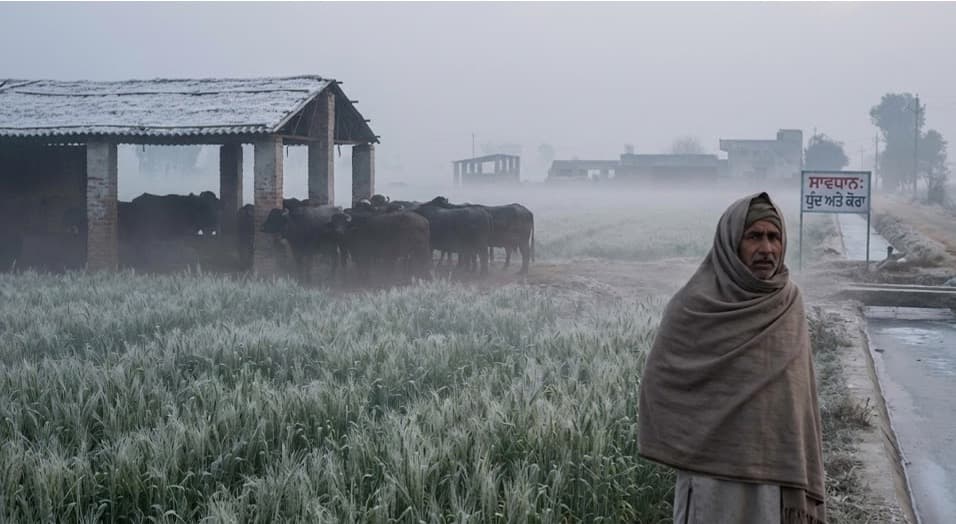
Fog & Frost Pose New Risks to Agriculture & Dairy in Punjab
Jan 08, 2026

Fog & Frost Pose New Risks to Agriculture & Dairy in Punjab

Persistent dense fog and dropping temperatures across Punjab — especially around Ludhiana and surrounding districts — are raising fresh concerns for both agriculture and dairy sectors, as winter weath...Read More

Nandini Adopts AI-Based Product Counting to Boost Dairy Operations
Jan 08, 2026

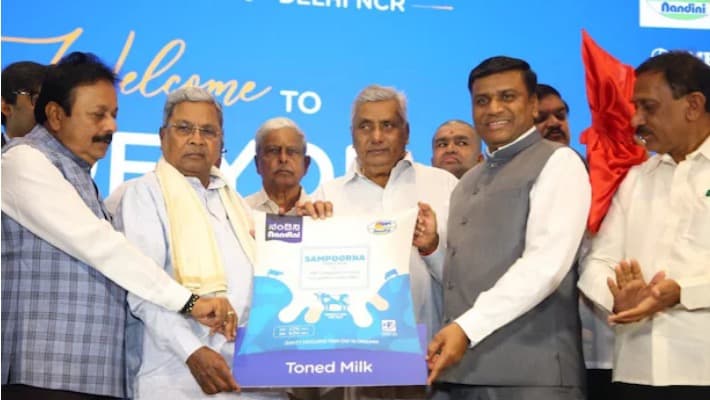
Nandini Adopts AI-Based Product Counting to Boost Dairy Operations

The **Karnataka Milk Federation (KMF) — under its flagship Nandini dairy brand — is rolling out an AI-based product counting solution at key processing facilities in Bengaluru, Kanakapura and Hoskote...Read More

Functional Dairy Foods Faculty Training Begins at BHU, Varanasi
Jan 07, 2026

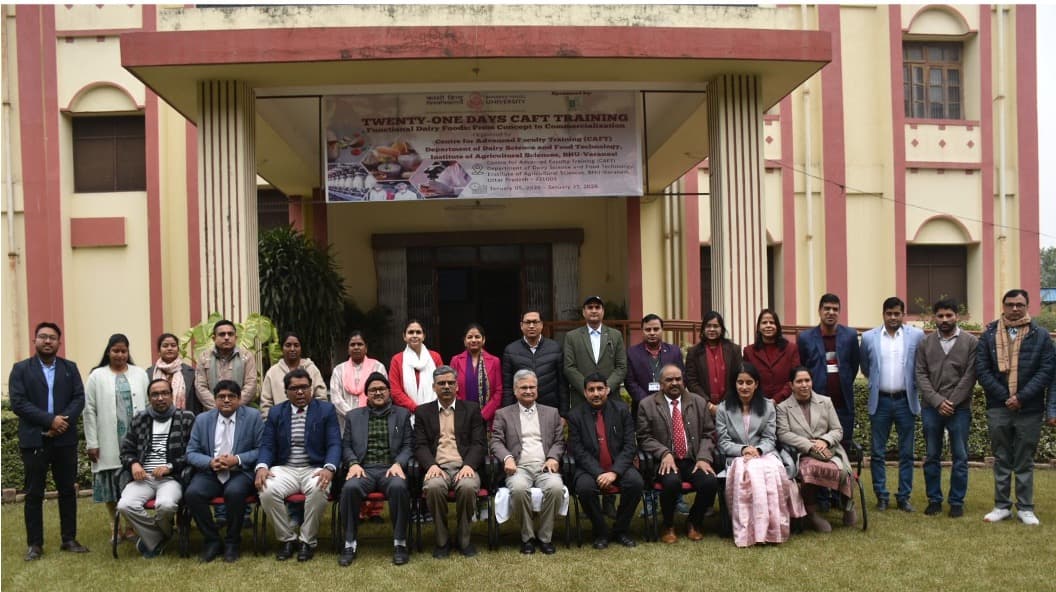
Functional Dairy Foods Faculty Training Begins at BHU, Varanasi

A 21-day advanced faculty training programme titled “Functional Dairy Foods: From Concept to Commercialisation” has started at the Department of Dairy Science & Food Technology, Institute of Agricultu...Read More

DairyNews7x7
Advertisement

Latest Blogs

See More
From Forecast to Fact: 2025 Lessons, 2026 Dairy Outlook
Jan 01, 2026

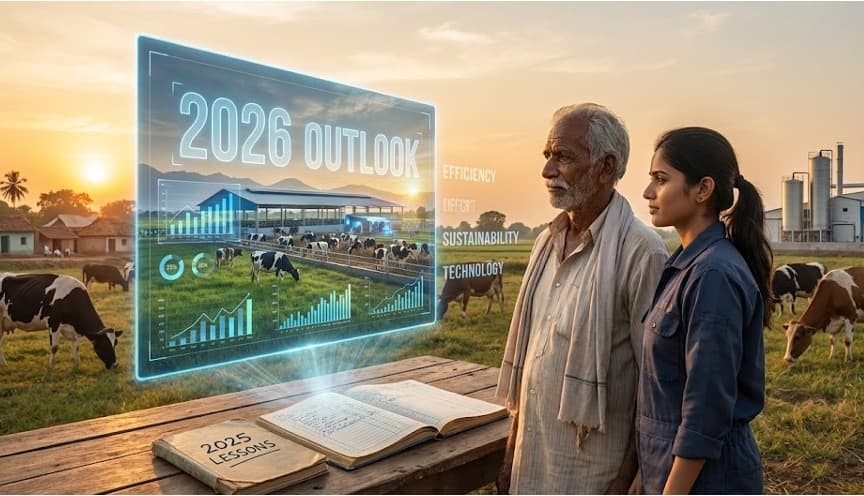
From Forecast to Fact: 2025 Lessons, 2026 Dairy Outlook

As we step into 2026, it is worth pausing to reflect on how the Indian dairy sector navigated the challenges of 2025 and how closely reality tracked the forecasts I outlined in the first blog of last...Read More

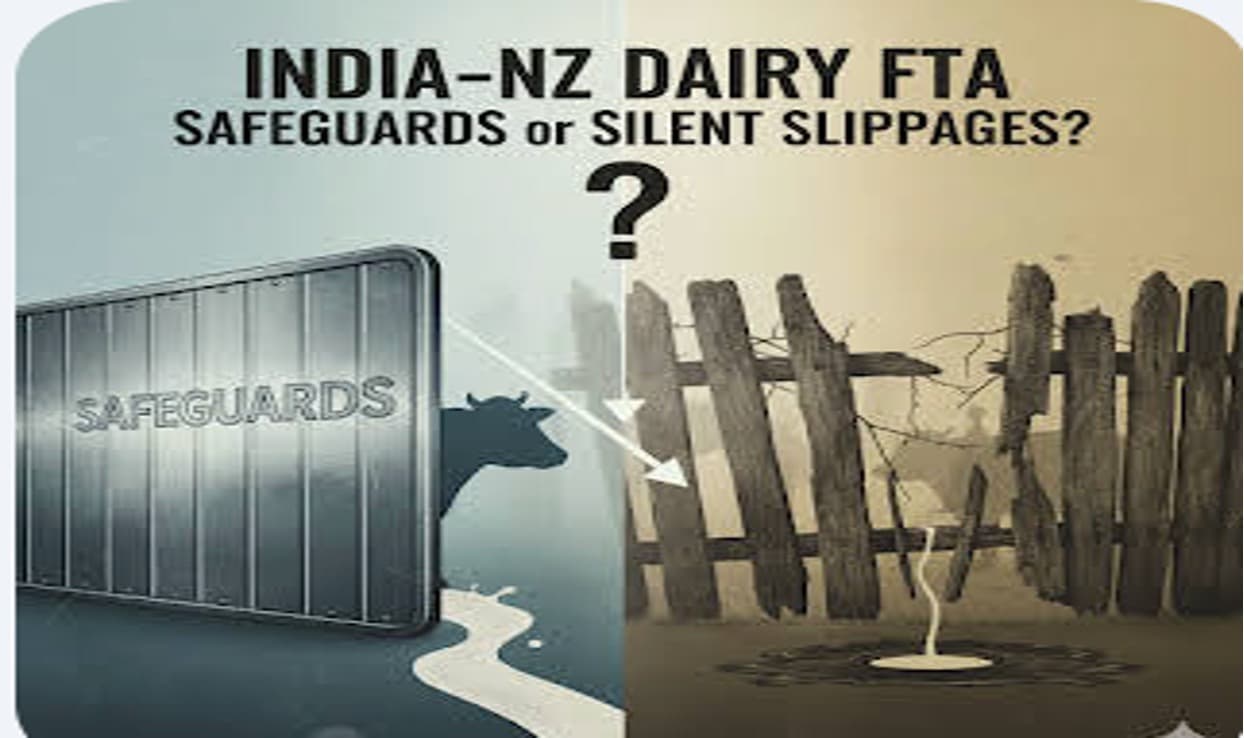
India–NZ Dairy FTA: Safeguards or Silent Slippages?
Dec 26, 2025

India–NZ Dairy FTA: Safeguards or Silent Slippages?

The recently concluded India–New Zealand Free Trade Agreement (FTA) marks an important milestone in bilateral trade, while carefully ring-fencing India’s sensitive dairy sector. Under the agreement, c...Read More

Vision 2047: India’s Dairy Development Roadmap
Dec 21, 2025

Vision 2047: India’s Dairy Development Roadmap

As India moves steadily toward Vision 2047, the dairy sector stands at a strategic inflection point. From being a food security instrument in the decades following Independence, dairy has evolved into...Read More

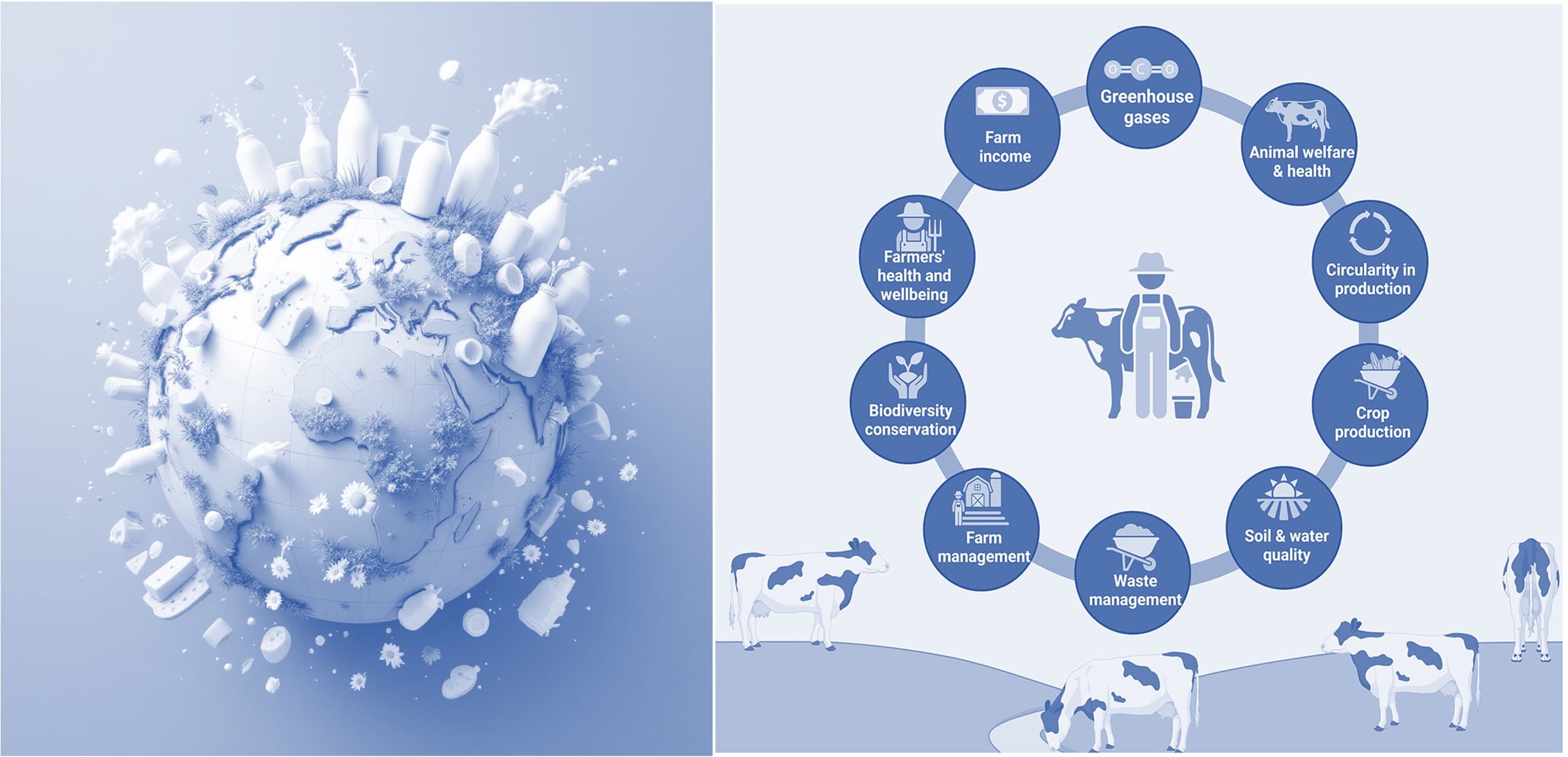
Global Dairy Dynamics: Innovation, Sustainability & Inclusion
Dec 18, 2025

Global Dairy Dynamics: Innovation, Sustainability & Inclusion

The International Dairy Processing Conference (IDPC) 2026, organised by the Trade Promotion Council of India (TPCI) at Yashobhoomi Convention Centre, Dwarka, New Delhi on 7 January 2026, will serve as...Read More

Global Dairy News

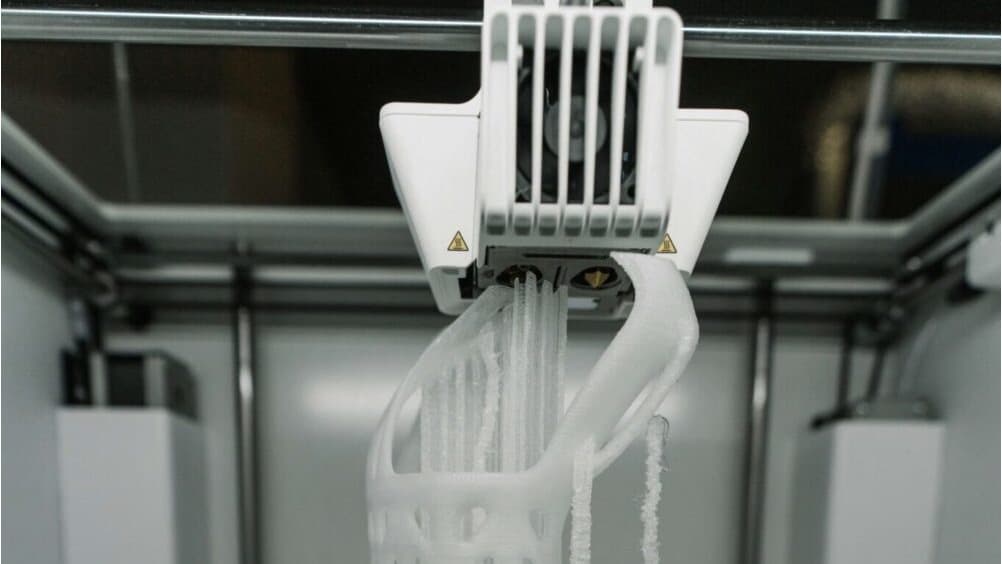
Spoiled Dairy Becomes 3D Printing Plastic
Jan 07, 2026

Spoiled Dairy Becomes 3D Printing Plastic

Researchers patent a biomaterial from wasted milk proteins, creating biodegradable 3D printing filament and a potential new revenue stream for dairy. Excess milk that once flowed down farm drains duri...Read More

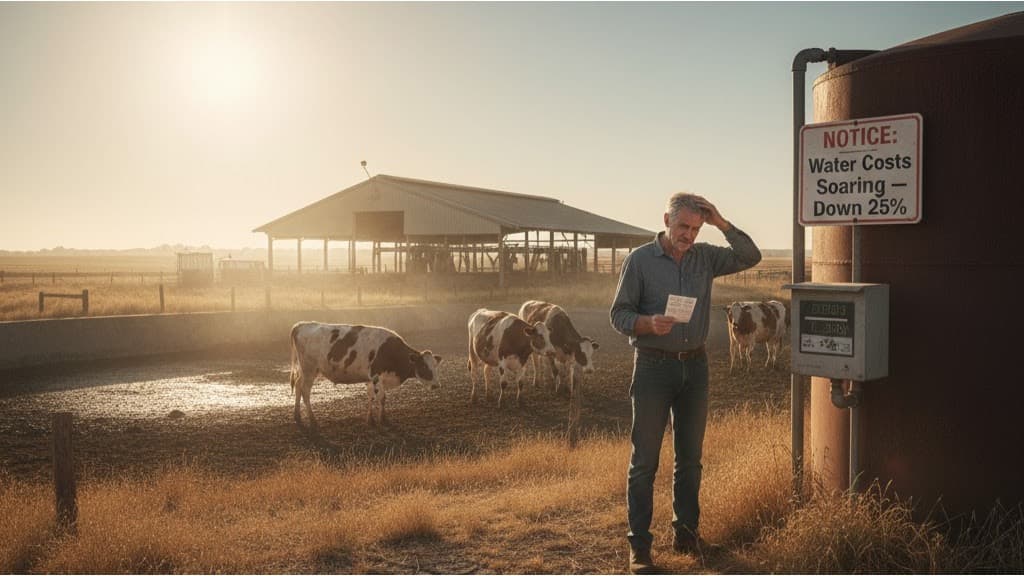
Milk production declines amid rising water costs
Jan 07, 2026

Milk production declines amid rising water costs

Dairy producers across Victoria are facing a tightening operating environment, with declining milk flows and escalating water and fodder costs, according to the Dairy Australia Situation and Outlook Y...Read More

GLP-1 Weight-Loss Drugs Reshape Dairy Demand Patterns
Jan 07, 2026

GLP-1 Weight-Loss Drugs Reshape Dairy Demand Patterns

The rapid rise of GLP-1 weight-loss medications — drugs that suppress appetite and are increasingly used beyond clinical diabetes management — is having a noticeable impact on consumer dairy consumpti...Read More

DairyNews7x7
Advertisement
Dairy News 7x7

Your trusted source for all the latest dairy industry news, market insights, and trending topics.

FOLLOW US
CATEGORIES
  • Global News
  • Indian News
  • Blogs
  • Publications
  • Podcasts
SUBSCRIBE TO OUR NEWSLETTER

Stay informed with the latest updates and trending news in the dairy industry.

No spam, unsubscribe at any time

GET IN TOUCH
C-49, C Block, Sector 65,
Noida, UP 201307
+91 7827405029dairynews7x7@gmail.com

© 2026 Dairy News 7x7. All Rights Reserved.

Terms of ServicePrivacy Policy

Milk prices up by 10.5% from a year ago

By DairyNews7x7•Published on April 07, 2023

Inflation in the prices of milk and milk products has accelerated almost continuously for the last 20 months and, in the last five months, it has consistently surpassed the overall level of price rise in the country.

The reason for this, according to people closely associated with the milk industry, could be a combination of supply and demand factors, with the pandemic playing a key role.

Analysis by ThePrint has found that the rate of inflation in the ‘milk and milk products’ category of the Consumer Price Index has accelerated nearly every month since July 2021 to February 2023, apart from marginal dips in February 2022 and July 2022. The data also shows that, since October 2022, inflation in milk prices has surpassed the general rate of price rise in the country, and this gap has been widening.
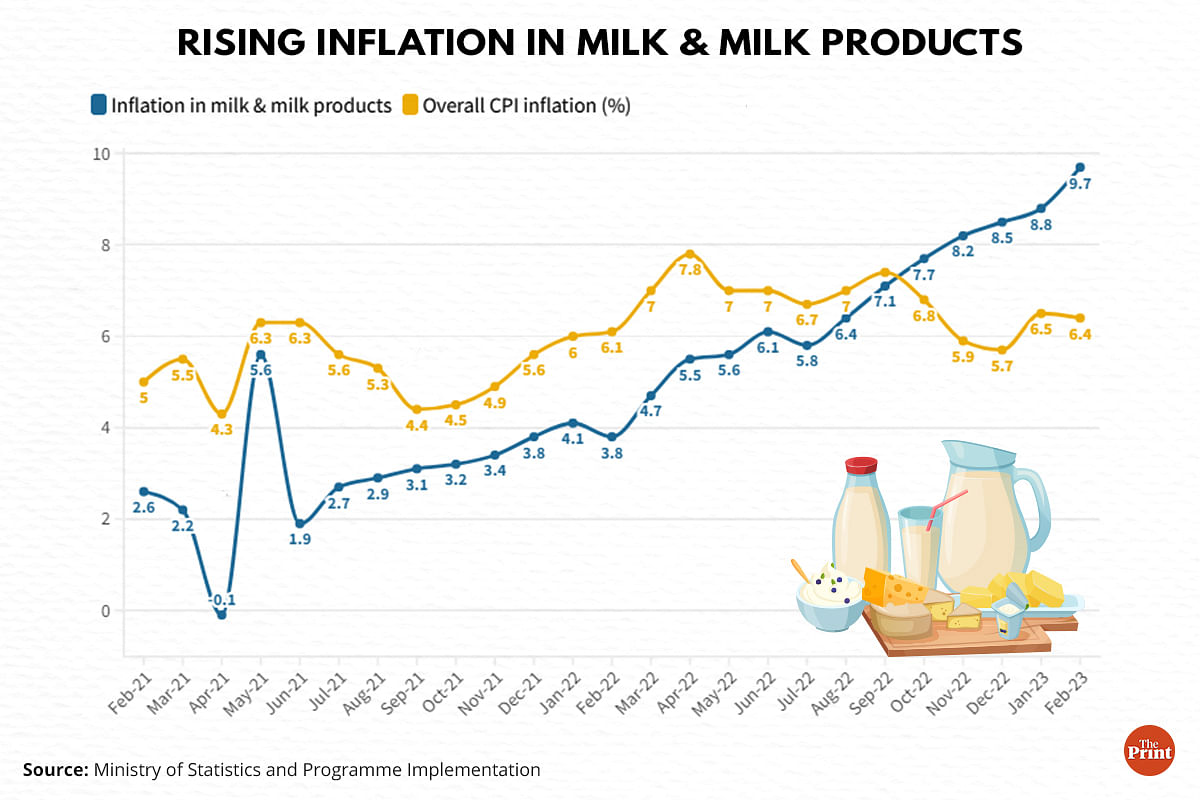
Illustration: Ramandeep Kaur
While February 2023 is the latest period for which we have inflation data, there is more recent data on the actual price of milk.

The average price of one litre of milk has risen to Rs 56.8 on 4 April, 2023 — the latest date for which there is data — from Rs 51.4 a year earlier, according to price data from the Department Of Consumer Affairs. This is an increase of 10.5 per cent in one year.

“The main reason for the increase in milk prices is due to a rise in input costs, a part of which is due to the rise in fodder prices. The price of concentrates and minerals used in the composite feed for milch cattle has also risen,” B.S. Chandel, former Principal Scientist at the National Dairy Research Institute, told ThePrint.

“The reason for the rise of the price of these inputs is because of the supply disruptions due to the Covid-19 pandemic, and the subsequent carry-on effects,” Chandel said, adding that, “Production suffered during that period.”

In any case, he explained, the supply of feed in the country is only 60 per cent of the demand, and so the rising input prices of feed have had a knock-on effect on the price of milk.

R.S. Sodhi, former managing director of Amul and the current President of the Indian Dairy Association, said, while supply issues certainly have a part to play, the issue also lies in the fact that demand for milk products has increased.

On the supply side, he said that the pandemic-induced national lockdown and subsequent regional lockdowns meant that demand for milk fell sharply, which had knock-on effects on the entire industry.

“Although demand fell during the lockdowns, it is not as if the milk-producing animals stop producing milk, and so the price of milk and its products fell sharply,” Sodhi explained. “As a result, in the next year, the farmers perhaps did not try to increase production as much as they could have, had the prices not crashed.”

Indeed, data from the Department of Animal Husbandry & Dairying shows that, although the overall production of milk in India has increased every year, the rate of growth of production has fallen sharply since the pandemic.
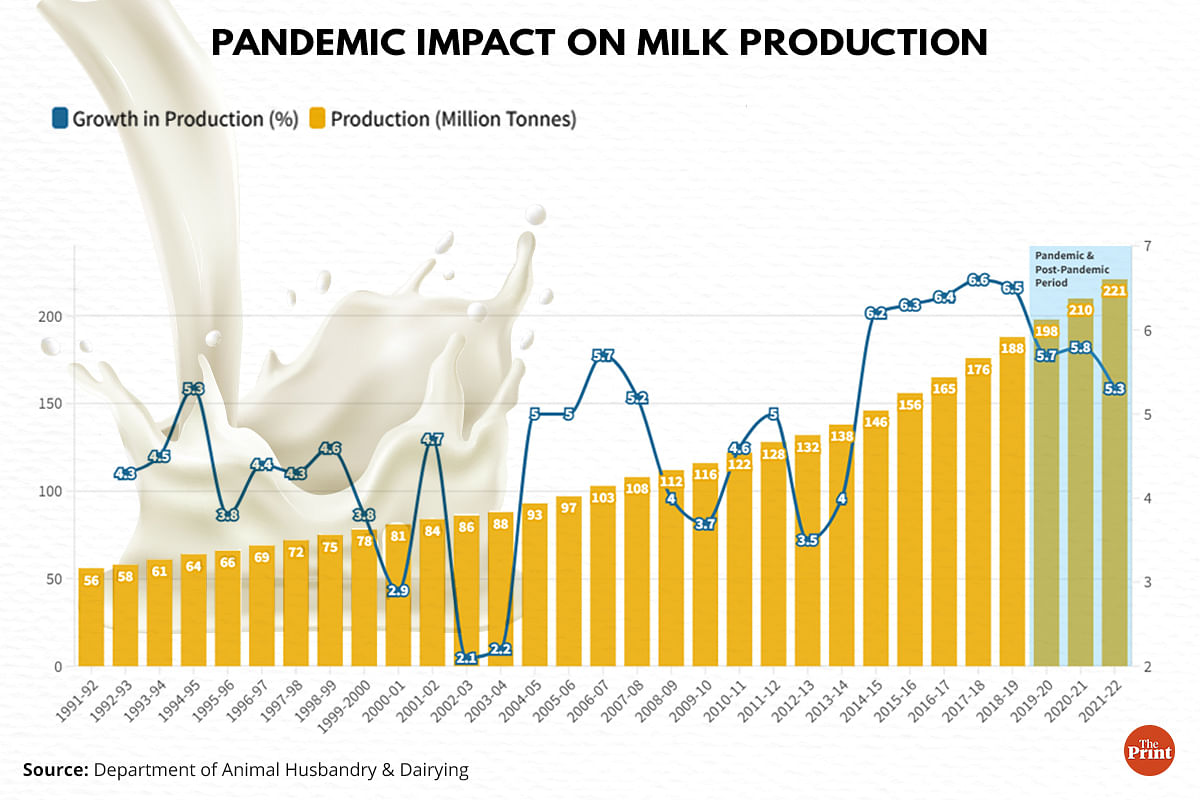
Illustration: Ramandeep Kaur
“Another factor is that the pandemic disruptions meant that artificial insemination of the cattle could not be done during that period, which meant that calving was delayed, the impact of which is felt only two years down the line,” Sodhi said.

However, this factor is not yet documented, according to Chandel.

“This fact has not come into the records,” Chandel said. “It is being presumed by the scientists that calving might have been delayed, but it has not entered the records as yet.”

Both Chandel and Sodhi agree that the demand for milk and milk products has increased in the past few years with Chandel saying this is due to an increase in purchasing power, and Sodhi putting it down to greater awareness about including protein in diets.

However, while Sodhi says the increase in demand is the major cause behind the rise in milk prices, Chandel feels the rise in input prices is the driving factor for the rise.

Further, reports indicate that lumpy skin disease, which has been affecting cattle in India to a significant degree over the past year, has not had much of an impact on the production of milk in the country. Anecdotal evidence suggests that the disease has largely been affecting cattle that are already old and sick, and so not producing much milk in any case.

Swipe to continue reading

Previous Article

Next Article