Latest Blogs
See More

Indian Dairy News
DairyNews7x7
Global Dairy News

DairyNews7x7
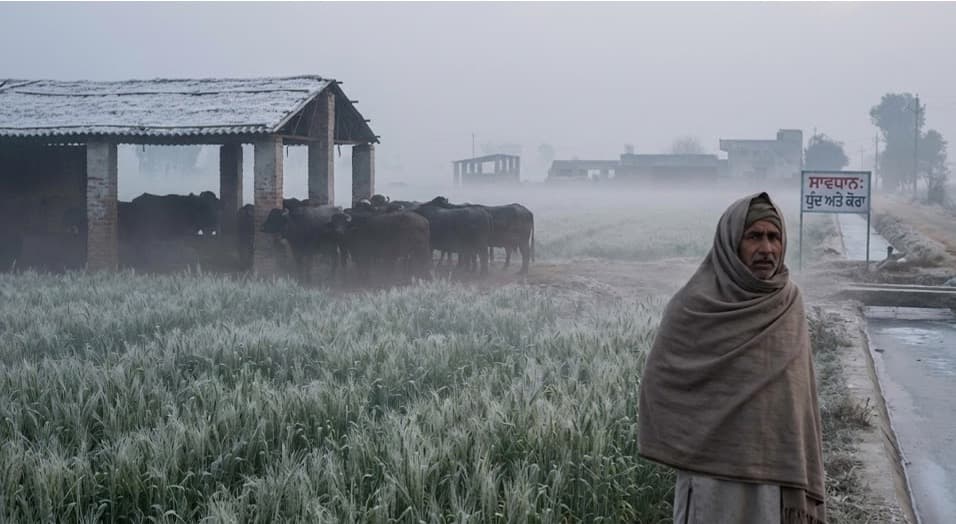
Persistent dense fog and dropping temperatures across Punjab — especially around Ludhiana and surrounding districts — are raising fresh concerns for both agriculture and dairy sectors, as winter weather increasingly impacts crop health, livestock welfare and rural operations. Experts and extension scientists are urging proactive measures to reduce potential losses.
Meteorological forecasts and red alerts from authorities signal very dense fog, with visibility dropping to as low as 500 metres in parts of Ludhiana and widespread cold conditions lowering morning minimums to ~7 °C, extending risk periods for frost and chill stress. Such conditions disrupt fieldwork, delay milk collection logistics and hinder daily dairy operations.
Punjab Agricultural University (PAU) has mobilised 24×7 support for farmers and livestock owners, warning that intensifying cold, fog and frost can cause crop damage and livestock health issues including increased susceptibility to respiratory and metabolic stress in animals. Extension experts are advising climate-resilient fodder, balanced nutrition supplies, and extra vigilance in animal housing and disease prevention to minimise winter stress impacts on dairy herds.
Fog also disrupts transportation of fodder, milk and inputs, contributing to operational delays at dairy collection points and potential milk yield dips as animals face colder, energy-draining environments. Historically, dairy farmers in the region take special winter care measures for buffaloes and ordinary cattle — such as enhanced shed insulation and warm bedding — to protect vulnerable livestock through prolonged cold spells.
Agriculture risks extend to frost-sensitive crops; frost can damage emerging rabi crops and vegetables, reducing yields and impacting farm incomes that are closely tied with dairy household economics. Advisory agencies recommend light irrigation to retain soil warmth, windbreaks around fields, and crop protection layers — steps that may indirectly support dairy farmers by safeguarding overall farm revenue in challenging winter cycles.
Source : Dairynews7x7 Jan 7th 2026 The Tribune