Latest Blogs
See More




Indian Dairy News

DairyNews7x7
Global Dairy News

DairyNews7x7
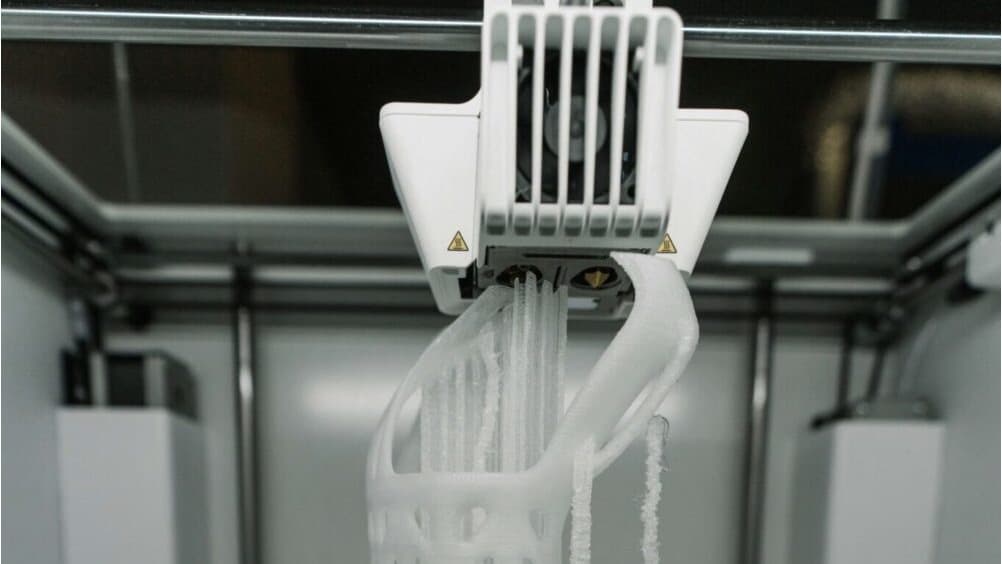
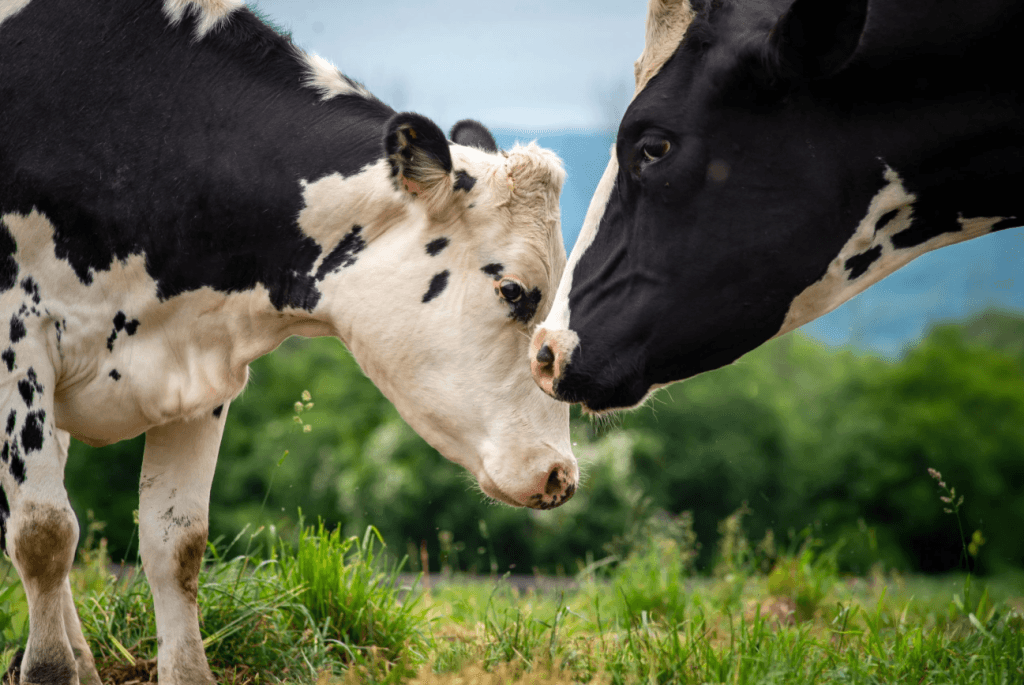
Excess milk that once flowed down farm drains during the COVID-19 pandemic has inspired an innovative biomaterials breakthrough: scientists are converting dairy waste into biodegradable plastic for 3D printing. At the University of Wisconsin-Platteville, Dr. John Obielodan and Dr. Joseph Wu spent five years developing a process that repurposes milk proteins from spoiled or surplus dairy into sustainable 3D printing material, a patent-worthy achievement with global implications.
The U.S. patent, titled “Development of Bio-Composite Materials for 3D Printing Using Milk Proteins,” centers on harvesting casein and whey — the primary proteins in milk — as the foundation of a polymer filament. This bio-based alternative could help reduce reliance on petroleum-derived plastics, which are a major source of environmental pollution and contribute a significant share of global greenhouse gas emissions.
Turning dairy waste into plastic also aligns with circular economy principles by upcycling a product that otherwise has no value once dumped, thereby reducing waste and expanding dairy’s utility beyond consumption. The researchers note that by providing extra income channels for dairy farmers — particularly in regions like Wisconsin with large milk production — this technology could, over time, support rural economies while addressing sustainability challenges within both the dairy and plastics sectors.
The material’s development required identifying which proteins and formulations delivered the best strength and printability. Through trial and refinement, the team combined milk proteins with existing filament components to produce a functional, biodegradable polymer. While current formulations rely on blends, ongoing research aims to enable direct printing from unblended milk protein for even more sustainable feedstock.
Looking ahead, the inventors hope to work with industry partners to commercialize the technology and expand its applications beyond 3D printing filament to other engineered materials. Experts suggest that dairy-based bioplastics could one day play roles in a diverse range of sectors — from manufacturing to medical devices — while cutting plastic waste and promoting sustainable innovation in agribusiness and materials science.
Source : DAirynews7x7 Jan 7th 2026 Shared article by channe partner edairynews.com
Original Source: Reset.org — https://en.reset.org/dont-cry-over-spilt-milk-waste-dairy-has-new-use-as-plastic-for-3d-printing/