Latest Blogs
See More


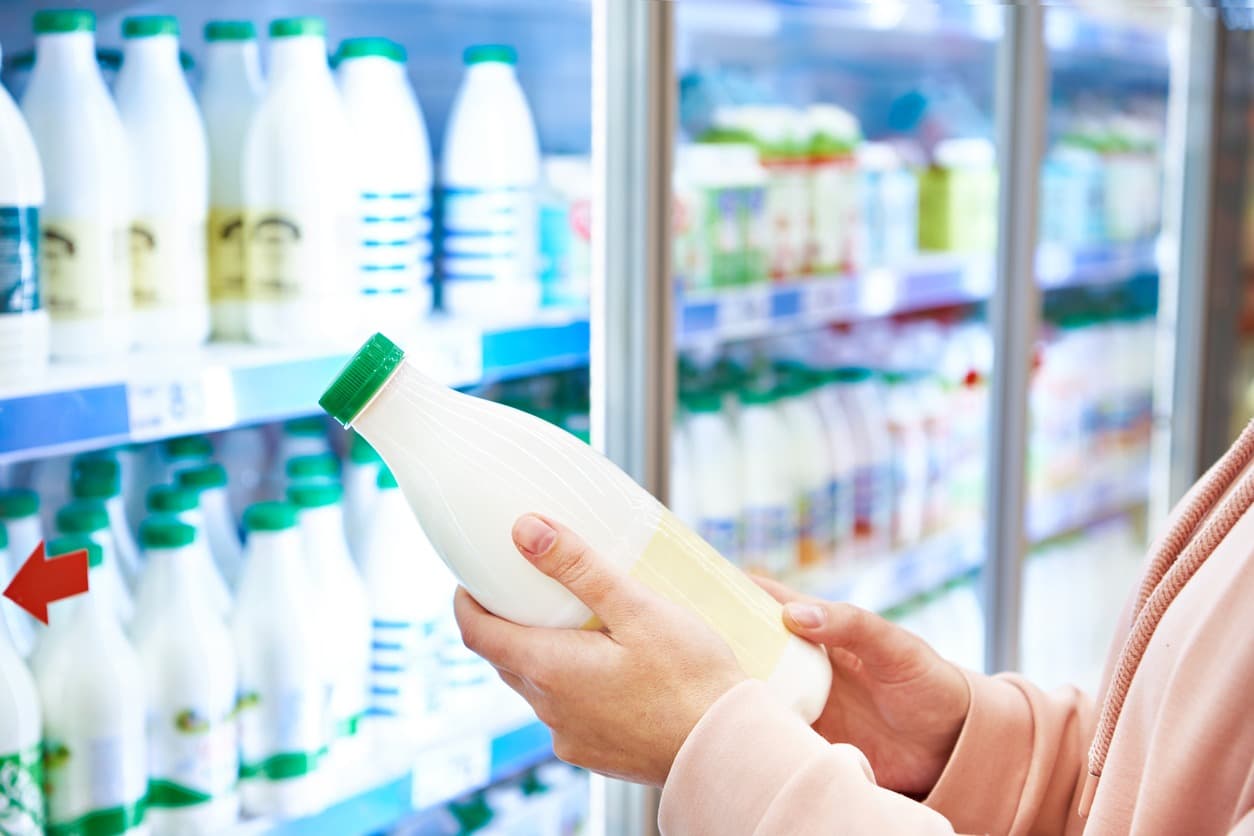
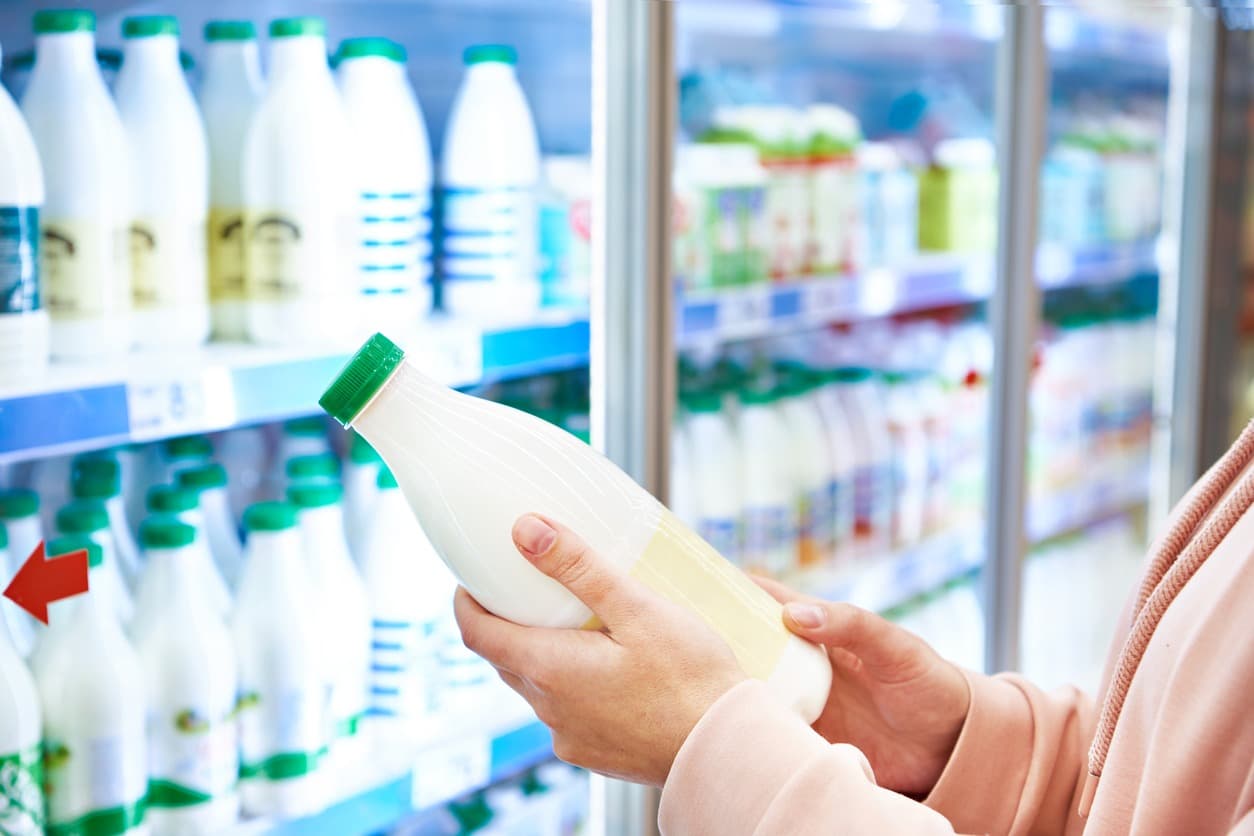
A new study by researchers from the ICMR–National Institute of Nutrition (NIN), the Royal Veterinary College, the International Livestock Research Institute (ILRI), the London School of Hygiene & Tropical Medicine, and other institutions has identified significant food safety concerns in Hyderabad's informal milk supply chain.
Conducted in the low-income neighbourhoods of Addagutta and Warasiguda, the study analysed 42 raw milk samples, 24 cattle feed samples and 20 water samples, while interviewing farmers, collection centre operators, wholesalers and retailers.
Laboratory testing found 90.5% of raw milk samples contained faecal coliform bacteria, 95.2% showed yeast and mould contamination, and 100% tested positive for bacterial growth under aerobic plate count analysis. Salmonella was detected in 33% of samples, Staphylococcus aureus in nearly 31%, and E. coli in just under 12%, with contamination more common in cow's milk than buffalo's milk.
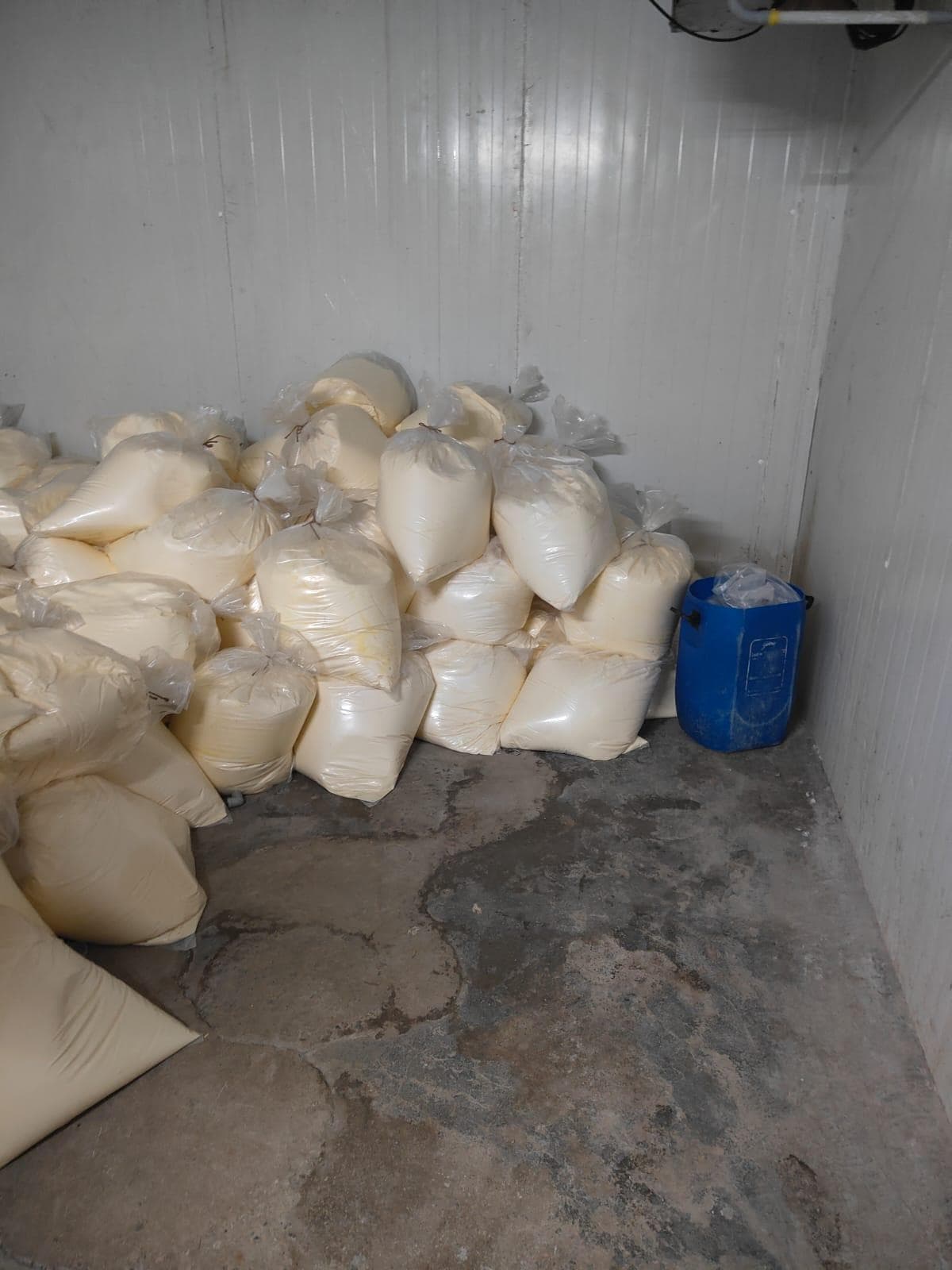
Among water samples used for cleaning equipment and handling milk, 70% contained faecal coliforms, 60% had yeast and mould contamination, and 95% tested positive for bacterial growth. The study also highlighted financial pressures on farmers, reliance on trust rather than quality testing, limited traceability, and reports of milk adulteration through the addition of water, urea and milk powder.
Of the 24 cattle feed samples, 67% tested positive for aflatoxins, although all were within Indian regulatory limits. Researchers have called for stronger food safety enforcement, improved hygiene practices, greater consumer awareness and enhanced support for farmer cooperatives to improve milk safety and supply chain accountability. (thesouthfirst.com)
Source: Dairynews7x7 10 July, 2026 Read full story here
#DairyIndustry #MilkSafety #FoodSafety #MilkQuality #ICMR #Hyderabad #DairyNews