Latest Blogs
See More


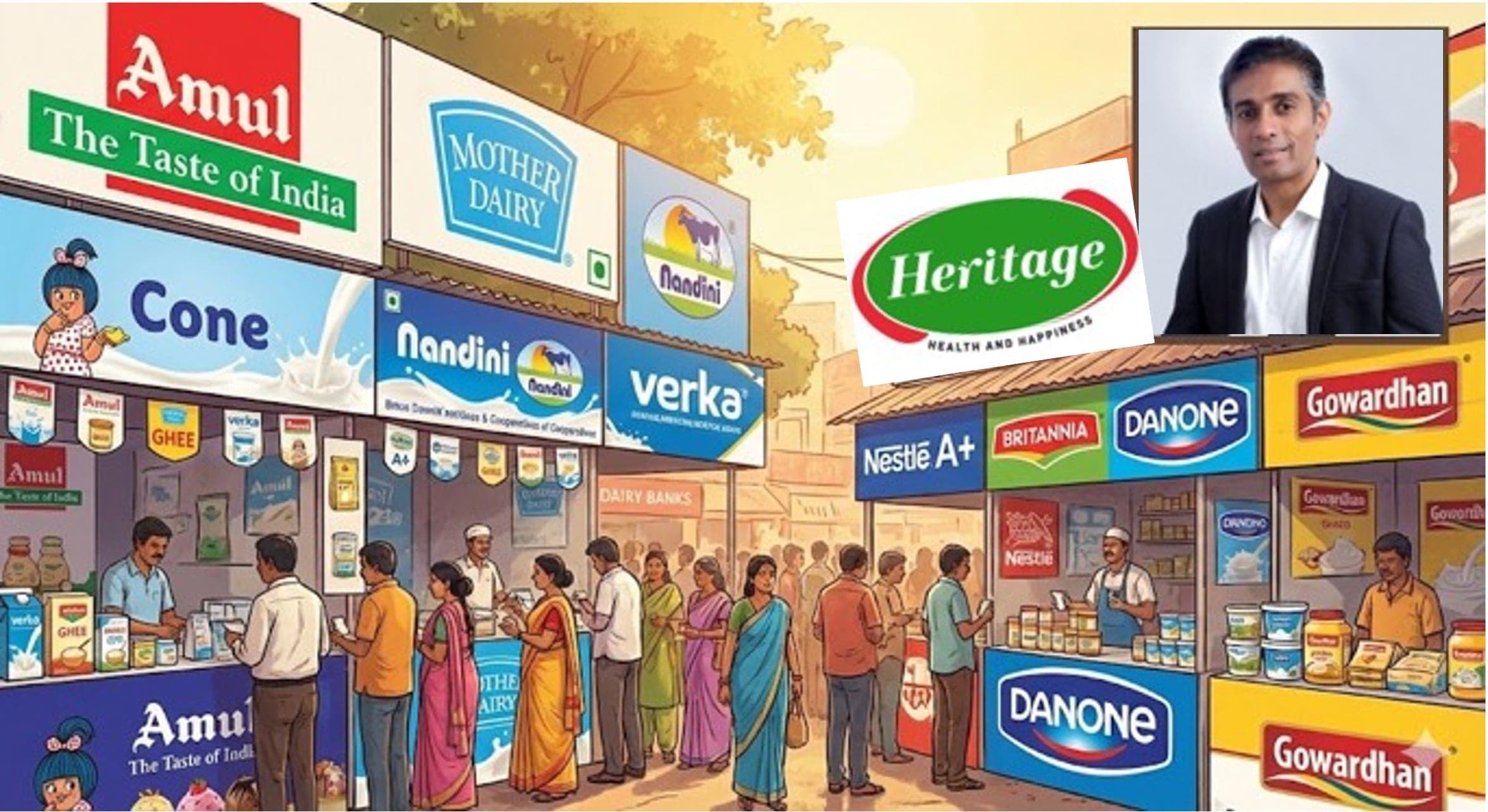
The Indian dairy landscape is undergoing a structural shift: alongside long-standing cooperatives, premium private dairy brands — especially those offering value-added products (VAPs) — are growing rapidly, reshaping consumer expectations, product mix and value flows.
Urban consumers in cities like Bengaluru, Mumbai and Delhi increasingly pick premium yogurt drinks, probiotic curds, artisanal paneer or high-quality ghee over traditional dairy staples — a sign that dairy consumption is evolving beyond commodity-milk toward quality, health and convenience.
While cooperatives remain critical (mobilising farmers, ensuring mass-market affordability, contributing to food security), private players now complement them by focusing on branding, innovation, product-diversification, cold-chain, value-added dairy (yogurt, cheese, paneer, specialty milk), and premium positioning.
The growth rate of value-added dairy products is reportedly more than twice that of the broader dairy market — driven by rising household penetration, changing consumption habits, higher disposable incomes and increasing health / nutrition awareness.
For many private companies, value-added products now account for over 40% of revenue — giving them healthier margins, enabling reinvestment in milk procurement (better farmgate price), traceability/digital supply-chain, farm-level support (better genetics, veterinary care), and building a “virtuous cycle” that benefits both consumers and farmers.
On e-commerce and quick-commerce platforms, where shelf-space is large and distribution is wide, value-added and premium dairy products — often at a 20–50% price premium vs standard milk/curd — are showing high velocity, indicating sustained demand even among price-sensitive consumers.
In sum: The Indian dairy market is no longer just about volume (litres of milk) — it is increasingly about value, quality, convenience and branded dairy experiences. Cooperatives, long-time backbone of India’s dairy sector, now operate alongside a growing ecosystem of private, premium-oriented dairy firms, giving more consumer choice and potentially better returns to farmers.
Value-capture beyond raw milk volumes: As branded, processed dairy (curd, cheese, yogurt, premium milk, flavored milk) rises, the value per litre of milk increases — meaning farmers and cooperatives can earn more even without a proportional rise in milk quantity.
Margin & investment potential for private dairies: Higher margins on value-added products give private dairies the financial headroom to invest in supply-chain, farm support, quality, logistics — which can help modernise the sector and raise overall standards.
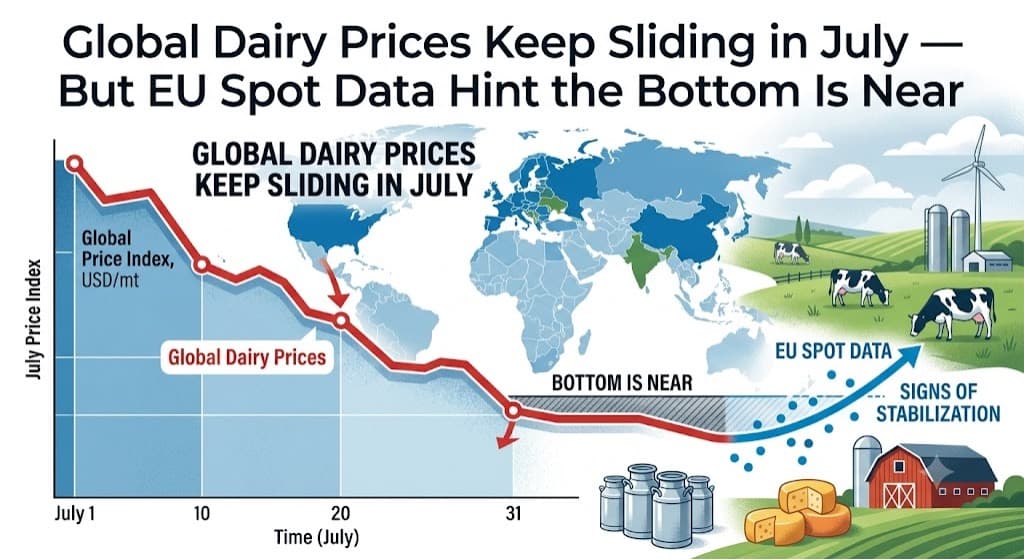
Diversification reduces risk: Over-reliance on commoditized milk production (liquid milk, SMP/WMP, butter) becomes risky especially under global oversupply or price volatility. Value-added product mix offers a buffer and more stable demand, especially urban/retail demand.
Premiumisation + urbanisation + lifestyle change synergy: Rising urban incomes, health awareness, changing diets — these favour premium dairy demand. Indian households are increasingly willing to pay for better quality, nutrition, convenience.
Better farmer returns (if value chain is managed well): If supply-chain (milk procurement → processing → branding → retail) is well structured, a larger share of consumer-price flow can reach farmers — especially when cooperatives or private dairies adopt transparent, quality-driven models.