Latest Blogs
See More


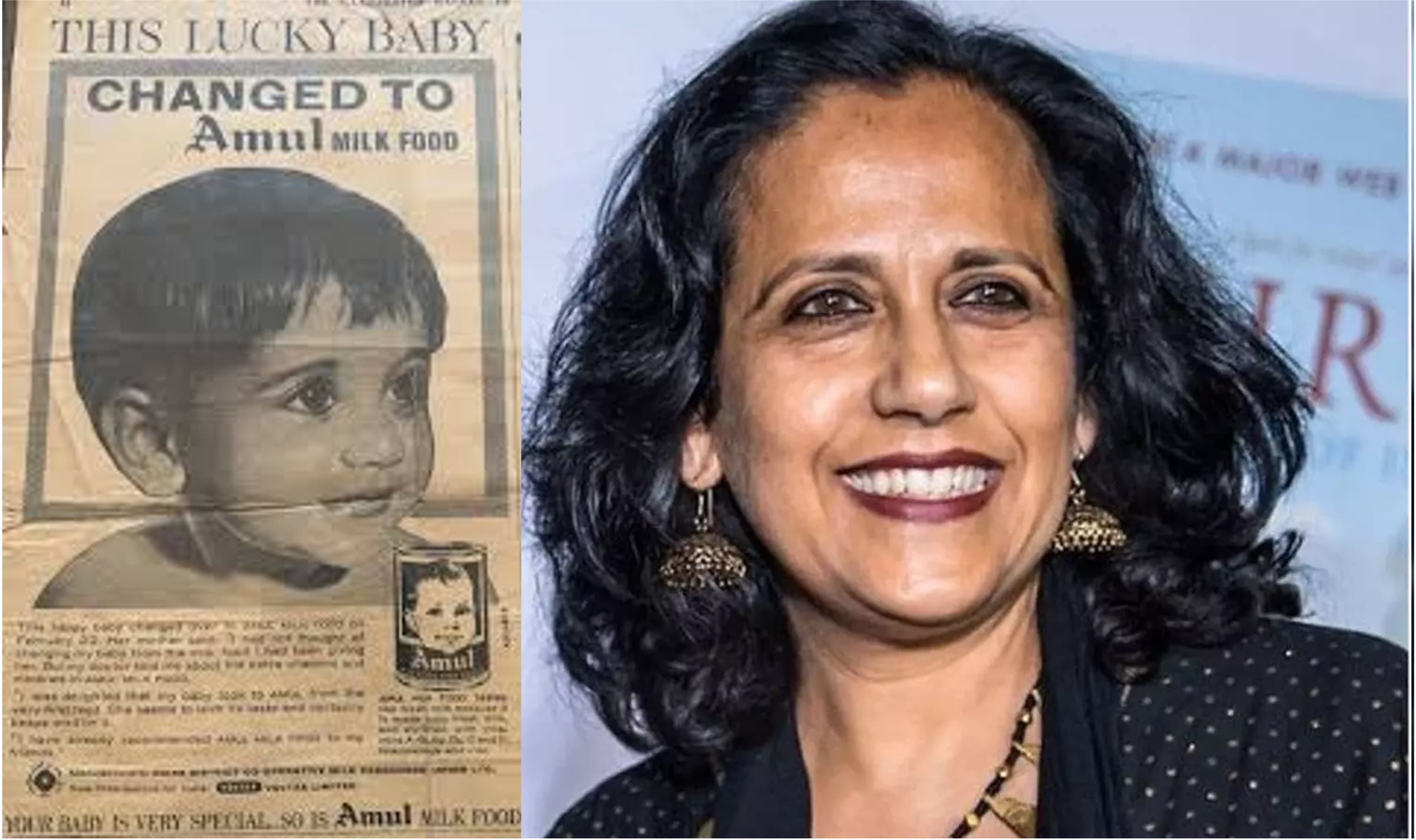
In 1966, advertising legend Sylvester daCunha was tasked with creating a memorable mascot for Amul Butter. After reviewing over 712 photographs and failing to find the right match, he remembered the children of a close Malayali friend. One photo stood out immediately: a mischievous, one-and-a-half-year-old girl wearing a polka-dotted dress—Shobha Tharoor, sister of MP Shashi Tharoor.
She became the inspiration behind the Amul Girl. Few would believe that Shobha Tharoor, the sister of Shashi Tharoor, would first be chosen as the Amul baby and later evolve into a timeless mascot that created history.
Sylvester and illustrator Eustace Fernandes sketched her iconic look—a noseless cherubic girl with blue hair, a playful smirk, and a polka-dot dress—designed to be simple to draw and instantly recognizable on outdoor hoardings.
The campaign, featuring the tagline “Utterly Butterly”, coined by Sylvester’s wife Nisha daCunha, launched in 1966. It embodied witty commentary, societal satire, and enduring appeal—traits that made it one of the longest-running ad campaigns globally.
Creative Simplicity with Lasting Impact: Choosing a real child from the Tharoor family lent authenticity and warmth. The minimalist design ensured easy replication across outdoor media—crucial in the pre-digital era.
Cultural Resonance: The Amul girl, born out of a simple photograph of Shobha Tharoor, quickly captured hearts. She became a beloved face in Indian homes, carrying the warmth of the Tharoor family name into advertising history.
Topical Relevance: Through timely, humorous one-liners on current events, the Amul baby-turned-icon became more than an ad—it became a cultural commentator.
The Amul girl is not just a mascot but an advertising case study that shows how a simple, relatable character can become the cultural voice of a nation. Interestingly, even decades later, conversations about her origin often bring up Shashi Tharoor, Shobha Tharoor, and Smita Tharoor, linking the mascot to the wider Tharoor family legacy.
Brand Recall: Mascots create stronger emotional connect than logos. The Amul girl ensures instant recognition even after 58 years.
Cost-Effective Engagement: Topical hoardings keep Amul in public conversations without expensive campaigns.
Trust Building: A childlike character conveys innocence, purity, and trust—values core to dairy products.
Cultural Commentary: By reacting to news and events, the Amul girl positioned the brand as socially aware, witty, and relevant.
Global Benchmark: Few mascots like the Michelin Man or Ronald McDonald have matched this longevity, making Amul a global case of consistent storytelling.
In the dairy and food industry, authentic mascots + topical messaging can create not just brand loyalty but cultural immortality. The Amul girl, inspired by Shobha Tharoor—sister of Shashi Tharoor (sometimes misspelled Shashi Tharror)—is a reminder that sometimes a family photograph can shape the destiny of a national brand. The role of the Tharoor family, including Smita Tharoor, remains an often-overlooked yet fascinating chapter in Indian advertising history.