Latest Blogs
See More



India’s dairy sector is entering a decisive new phase where the focus is steadily shifting from volume-driven growth to a value-, consumer-, and sustainability-driven model. Over the past decade, India has already achieved significant production gains, with milk output rising from nearly 146.3 million tonnes in 2014–15 to 239.3 million tonnes in 2023–24—an impressive 63.6% jump. Per-capita milk availability has touched approximately 471 grams per day in 2023–24, well above the global average. With foundational supply in place, the conversation is now moving from simply producing more milk to producing the right kind of milk and dairy products that match evolving consumer expectations around safety, nutrition, authenticity, convenience, functional benefits, and indulgence.
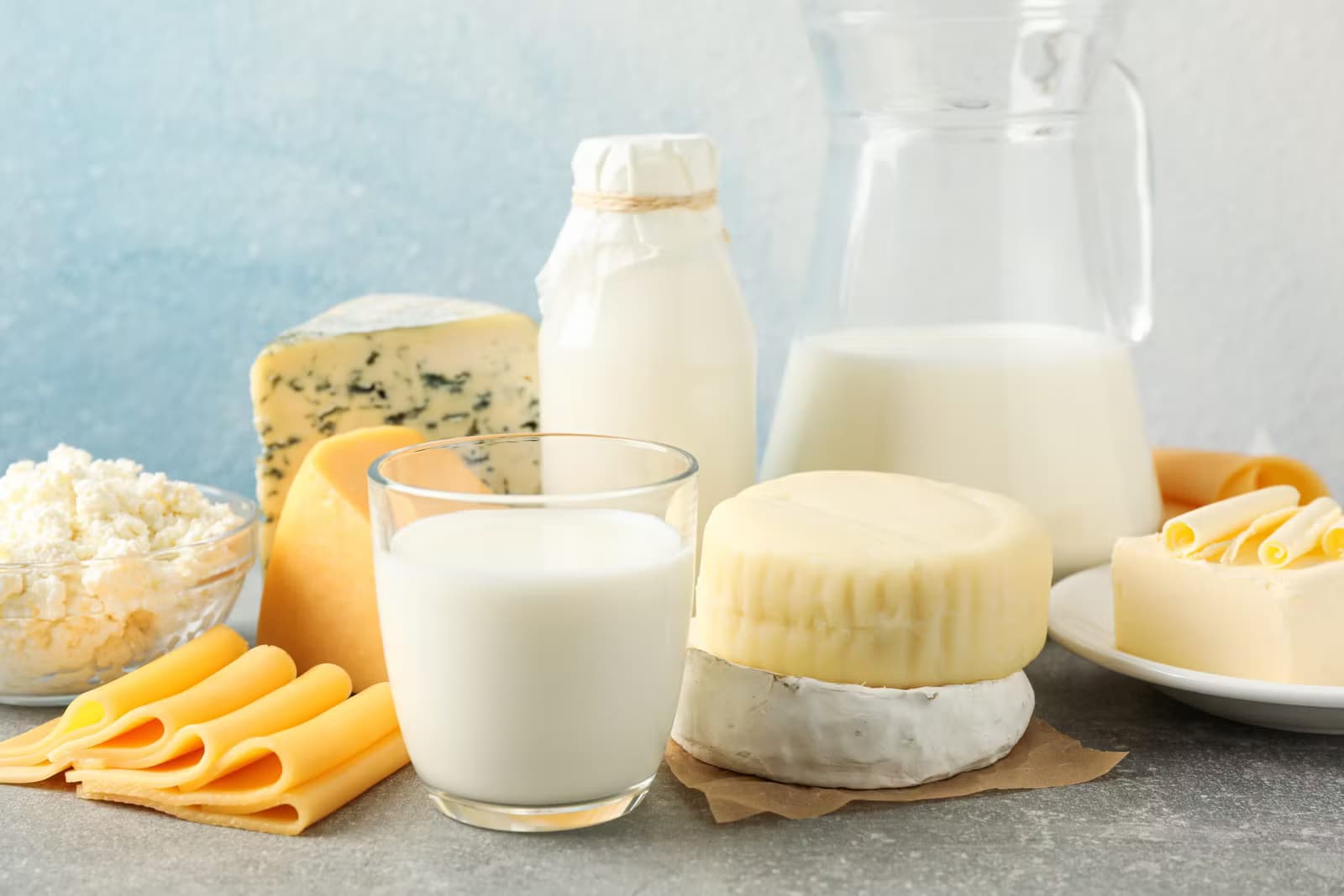
This shift is particularly visible in the rising emphasis on value-added dairy products. Across the industry, major dairies and cooperatives are expanding rapidly into cheese, paneer, yogurt, probiotic drinks, flavored and fortified milk, desserts, UHT beverages, and specialized ingredients. Industry analyses suggest this is largely driven by higher margins available in value-added products and the growing appeal they carry among modern consumers. Companies like Heritage Foods, Hatsun, Amul, and several emerging brands are consciously investing in processing, branding, and distribution to capture this high-growth space. This transition also aligns with national consumption trends—urban households, young families, fitness-focused consumers, and premium buyers are seeking more functional and convenient dairy options.
Technology and sustainability are emerging as the second core pillar of this “reimagined” ecosystem. The dairy sector is gradually embracing digital tools such as sensor-based livestock monitoring, automated milk testing, AI-driven feed optimization, and real-time traceability systems to ensure consistency and safety across the supply chain. At the same time, dairies are adopting sustainability practices such as methane reduction initiatives, biogas plants, manure management systems, water recycling, green fodder cultivation, and on-farm renewable energy. This shift is driven by climate variability, growing environmental concerns, consumer sensitivity to ethical sourcing, and a need to build a future-proof dairy sector. Reports highlight that such technologies are gaining traction across leading cooperatives and private dairies, with measurable improvements in productivity and animal welfare.
Even as the system modernizes, inclusion remains central to the dairy economy. Millions of rural households—particularly small and marginal farmers—depend on dairy as their primary or supplementary source of income. Women form a significant share of India’s dairy workforce, often leading household-level dairy operations. Therefore, the “reimagined ecosystem” must continue to strengthen producer participation through fair pricing, transparent procurement systems, contract farming models, cattle health services, digital payments, and extension services. The cooperative model continues to play a major role, and reports by organisations like VisionIAS reaffirm its importance in ensuring equitable growth and social welfare. As value-added dairy expands, there is also potential for small producers to benefit more—provided they are integrated into supply chains with traceability and quality-linked incentives.
The market landscape itself is evolving rapidly. The organized dairy sector is growing faster than the unorganized segment due to rising investments in cold chains, processing plants, packaging technologies, e-commerce distribution, and modern retail-based dairy counters. The shift toward branded, traceable, high-quality dairy products is especially strong in metropolitan and tier-1 markets. Industry data shows that premium segments such as organic milk, A2 milk, artisanal cheese, fermented beverages, and functional dairy are replacing traditional low-margin commodity milk in several urban pockets. This trend mirrors global dairy market patterns, creating opportunities for India to position itself as not just the world’s largest milk producer, but also a supplier of specialized dairy products with quality, safety, and process credibility.
Consumers are also at the heart of this transformation. With rising urbanisation, growing disposable incomes, lifestyle changes, and higher health awareness, consumers are demanding cleaner labels, better nutrition, traceability, and value-for-money products. This has encouraged dairy companies to innovate aggressively, invest in R&D, and develop offerings that cater to low-lactose diets, protein-rich nutrition, children’s fortified beverages, sports nutrition, and probiotic health. The next generation of dairy consumers expects convenience without compromise—whether through extended shelf-life products, ready-to-consume dairy beverages, or immunity- and gut-health-focused dairy innovations.
This evolution of the dairy ecosystem has major implications for farmers, processors, and policymakers. Farmers stand to gain from diversified value chains, year-round demand, better milk prices, and access to modern technologies and extension services. Dairy processors will benefit from higher margins in VAPs, growth in premium segments, export opportunities, and increasing customer sophistication. Policymakers, on the other hand, must support this transformation by ensuring strong food-safety regulation, environmental compliance, rural infrastructure, climate resilience programs, fodder security, and structured support for smallholder producers. India’s ability to compete globally in dairy—especially in cheese, casein, whey proteins, and specialty milk—will depend on how well it builds this ecosystem around quality, sustainability, and innovation.
In this context, “reimagining India’s dairy ecosystem” essentially means moving from a traditional rural livelihood model to a modern, technology-driven, sustainable, consumer-responsive, and globally competitive dairy architecture. It means building a future where India’s dairy sector represents not just volume leadership but value leadership—delivering nutrition, safety, transparency, and quality to consumers while ensuring dignity, fair income, and empowerment for producers. In short, it is a shift from merely producing milk to building a resilient dairy economy that works for the next generation of consumers and farmers alike.
Source : Dairynews7x7 Nov 28th 2025 Read full story here by Manish Bandlish