Latest Blogs
See More


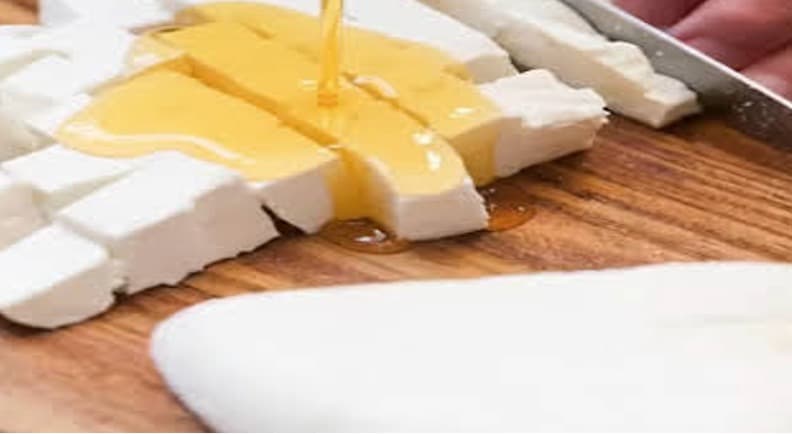
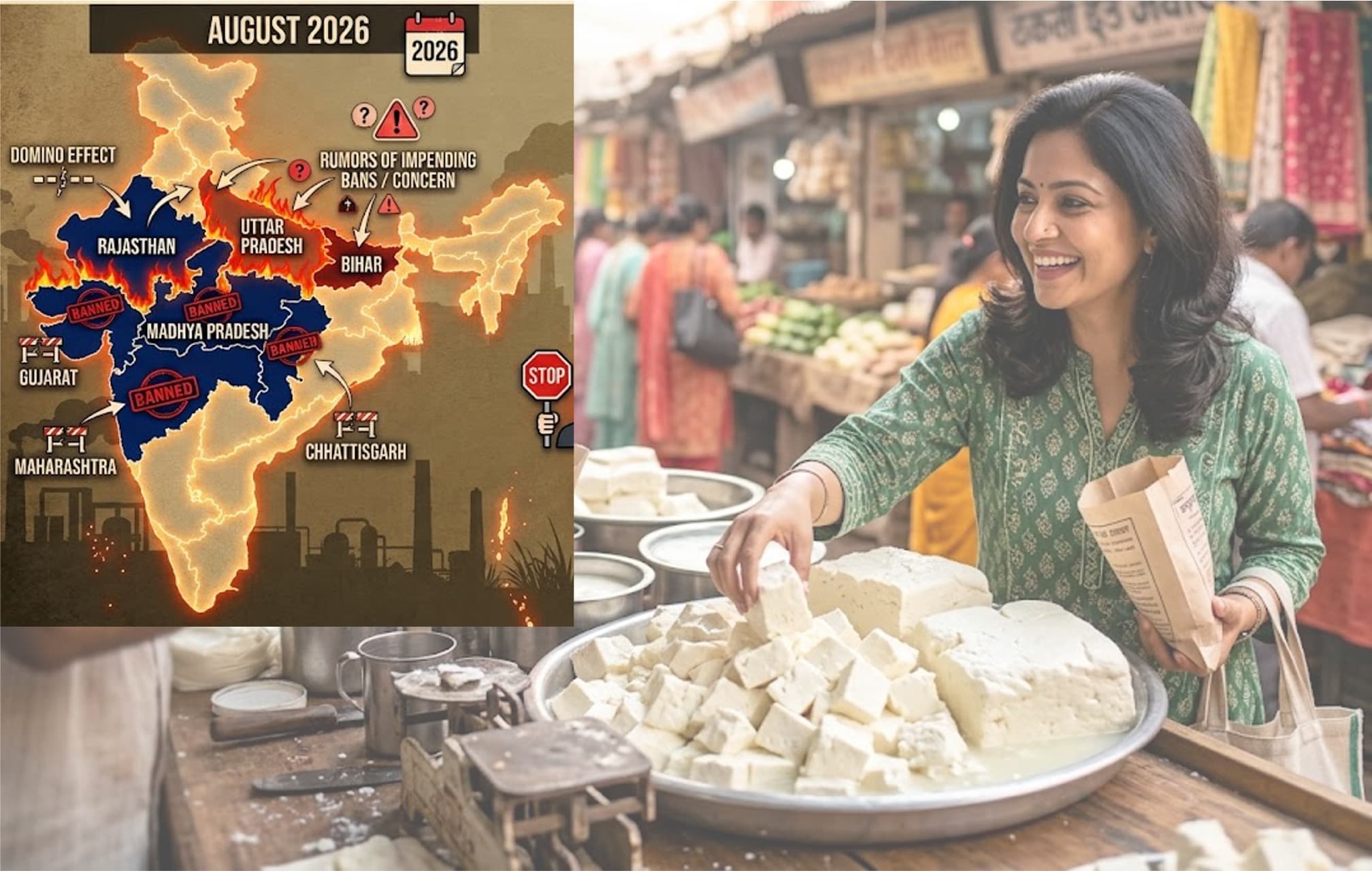
Is the loose, unpackaged paneer sold at local shops a genuine dairy product, or does it contain non-dairy substitutes? India’s apex food safety regulator has stepped in to ensure consumers are not shortchanged.
The Food Safety and Standards Authority of India (FSSAI) plans to introduce stricter norms to help distinguish between paneer made purely from milk, and nondairy substitutes that are increasingly entering the ₹65,000-crore domestic paneer market, according to two government officials and a document reviewed by Mint.
Authorities have frequently seized fake paneer ahead of major festivals, when demand surges and unscrupulous traders flood markets with adulterated products, posing a threat to consumer health.
To curb this unsavoury practice, FSSAI proposes to make it compulsory for paneer substitutes (products made from non-dairy ingredients such as vegetable oils) to be labelled as “paneer analogue”, while prohibiting the use of any dairy-related terminology.
“Currently, analogues are designed to mimic the white, creamy appearance of traditional or real paneer, often using starches and emulsifiers to replicate the texture. The proposed regulations aim to empower consumers to make informed choices and promote healthy eating,” said the first of the two officials cited earlier, both of whom spoke on the condition of anonymity.
For clear identification, the substitutes will have food colour added to them to ensure that they stand out from the white and natural dairy paneer or paneer-based products. In addition, such "paneer analogues” can be sold only in sealed packages, with a clear instruction that their nutritional properties must be on par with dairy-based paneer.
Unlike real, natural paneer that's made by curdling milk, analogues utilize vegetable oil, skimmed milk powder, and emulsifiers that lack the nutritional profile of milk fat. While dairy-based paneer is a powerhouse of protein and healthy fats, analogues have high unhealthy trans fats.
The development assumes significance given that paneer or paneer-based products play an important role in meeting dietary needs of a large part of India's vegetarian population.
Organised brands such as Amul, Mother Dairy, Parag Milk Foods and Country Delight account for just about 10% of India’s paneer market, with the rest cornered by the unorganised sector, where non-dairy paneer substitutes are often sold without disclosure. Apart from a lack of awareness, price remains a key driver for analogue paneer. While loose paneer typically sells at around ₹340 per kg, branded counterparts are priced at ₹460 per kg.
According to the document reviewed by Mint, the proposal suggests introducing a specific provision under the Food Safety and Standards Regulations, 2011 to regulate the sale of dairy analogues misrepresented as paneer and other dairy products, and develop standards mandating a distinct nomenclature for “paneer analogue”, barring the use of any dairy terms.
To ensure nutritional safety, the products must functionally match actual dairy, with standardized fat and protein content—potentially requiring at least 80% milk constituents—and include food colours like Tartrazine.
“The nutritional properties (both organoleptically and functionally) shall be at par with the actual dairy counterparts. Minimum percentage of fat, solids-not-fat (SNF), protein content for dairy analogue products shall be standardised. For example, at least 80% be only milk constituents in any analogue products,” the document said.
“These recommendations were discussed during (FSSAI’s) Central Advisory Committee (CAC) meeting. The matter is under review and under consultation and a final decision is yet to be taken,” said the second government official.
Queries emailed to the spokespersons of FSSAI, the health ministry, Gujarat Cooperative Milk Marketing Federation (GCMMF) that operates Amul, and Country Delight on 16 December remained unanswered till press time.
Jayatheertha Chary, deputy managing director of Mother Dairy Fruit & Vegetable said: “A clear distinction between authentic dairy products and analogues is essential to safeguard consumer trust and misleading practices, thereby enhancing transparency across the market. Mother Dairy is investing in initiatives to educate consumers on authenticity and quality. With growing consumer consciousness, the shift towards packaged paneer is accelerating, providing greater assurance of hygiene, quality consistency, and traceability.”
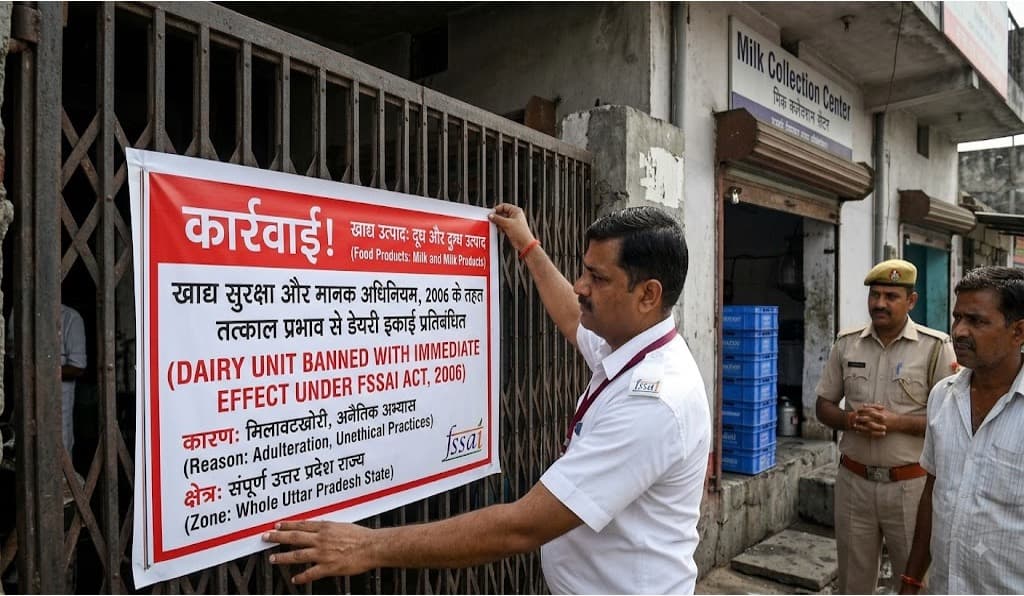
Authorities have sought to crack down on fake paneer through search seizure operacurb tions, but have failed to eliminate the menace. Authorities in the Delhi-NCR region seized and destroyed 500 kg of adulterated fake paneer in Noida as part of a pre-Diwali crackdown on food adulteration this October.
As India prepared for Christmas festivities on Thursday, the Union health ministry took to X to caution consumers against fake paneer. “Paneer is nutritious when it’s real. Understanding the difference between Dairy Paneer, Analogue Paneer, and Unsafe Paneer empowers you to make safer food choices for yourself and your family. Adulterated or poor-quality paneer can affect your health, so awareshould ness is essential," the ministry said in its post.
R.S. Sodhi, past president of the Indian Dairy Association (IDA) and former managing director of GCMMF, said the term “paneer analogue” is contradictory because ”paneer” implies a dairy product.
“As per FSSAI, no dairy term can be used for a nondairy product. The unorganized sector is largely responsible for selling these vegetable-oil-based analogues as paneer. With GST on paneer now nil, the branded packaged paneer segment is growing at 15-20%. Paneer should not be sold loose; with only packaged sales ensuring consumers are aware of what they are buying.”
Source : DAirynews7x7 Dec 26th 2025 The Mint