Latest Blogs
See More

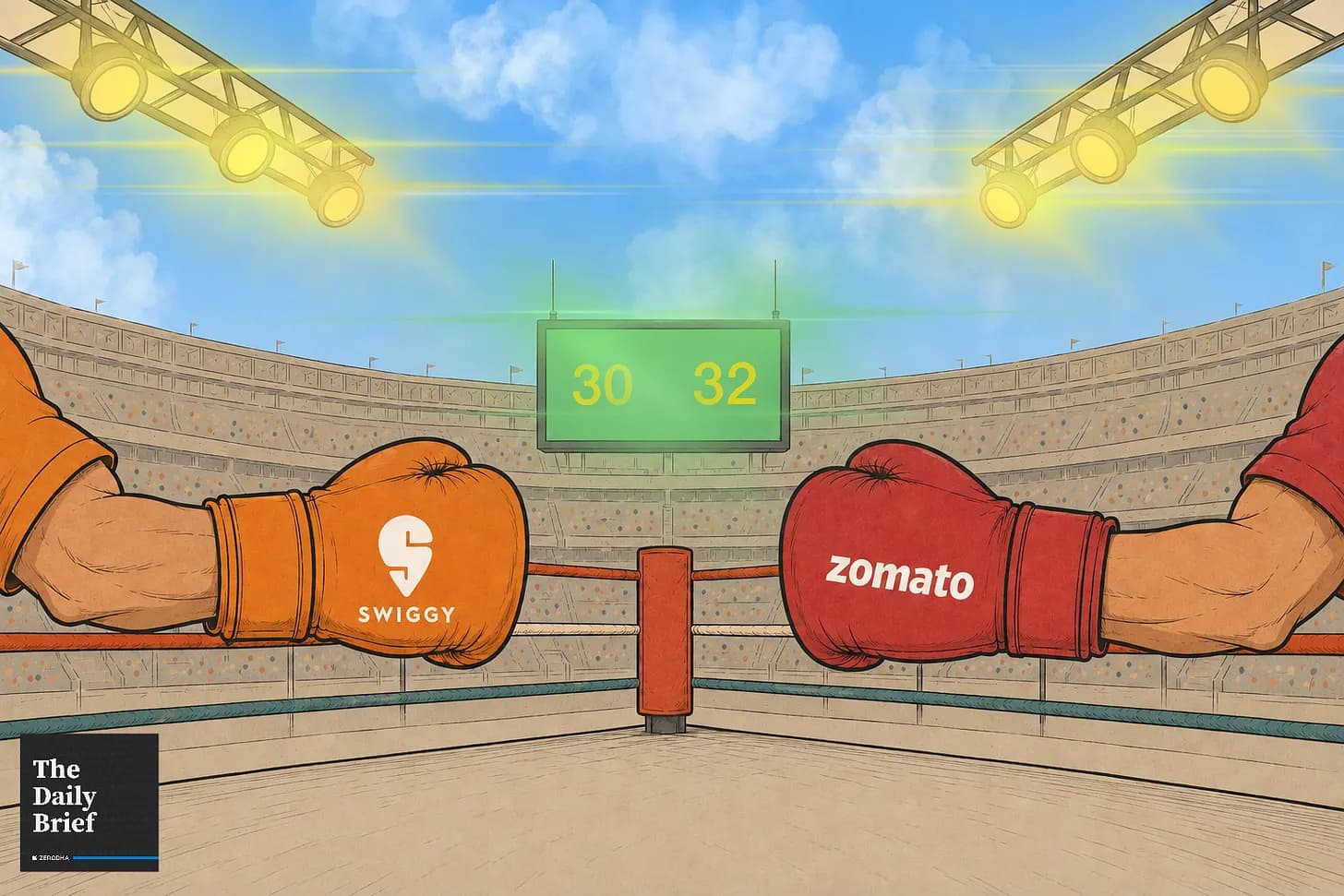
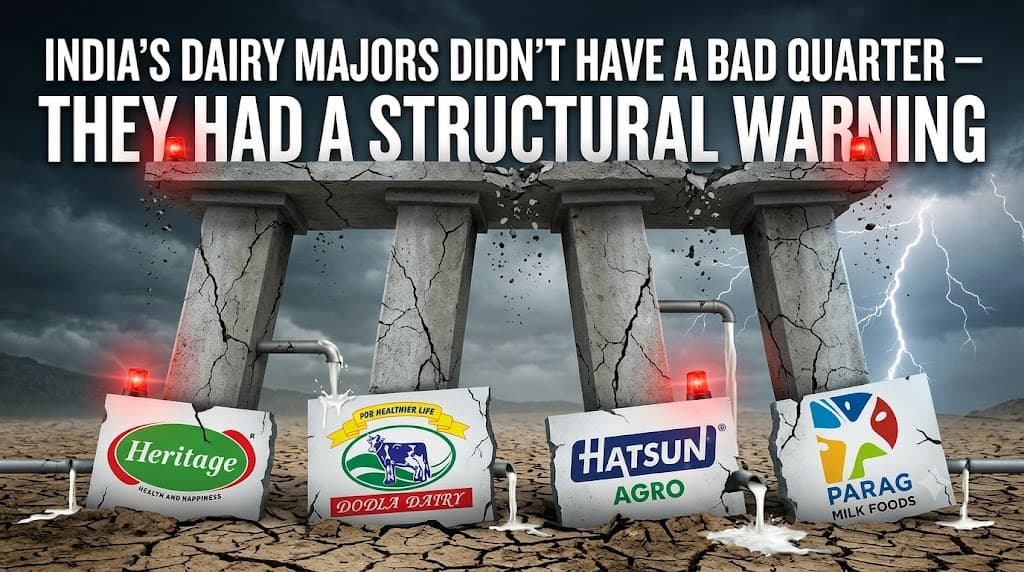
India’s listed dairy companies are seeing strong revenue growth, but rising milk procurement and packaging costs are putting significant pressure on profitability, according to an analysis by The Daily Brief by Zerodha published on 10 August 2026. The report examined Q1 FY27 performance of Hatsun Agro, Dodla Dairy and Heritage Foods, highlighting how a weaker-than-usual milk supply cycle, climate-related disruptions and the industry’s continued shift towards value-added dairy products are reshaping the sector.
Hatsun Agro reported revenue from operations of ₹3,093 crore, up 19% year-on-year, while profit after tax (PAT) declined 1.5% to ₹133 crore, primarily due to a 37% increase in the cost of materials consumed. Dodla Dairy recorded quarterly revenue of ₹1,198 crore, up 19% YoY, but EBITDA margin fell from 8.2% to 5.4%, while PAT margin declined from 6.2% to 3.4%, with PAT at ₹41 crore. Heritage Foods posted consolidated revenue of ₹1,338 crore, up 18% YoY, while EBITDA margin dropped from 6.5% in Q1 FY26 to 4.6% in Q1 FY27, and PAT margin fell from 3.6% to 1.9%. The report identifies milk procurement costs as the biggest pressure point, noting that the expected flush season and the usual April-May “mini flush” did not materialise as expected amid erratic rainfall, an unseasonably warm summer and animal stress that affected milk yields.
Despite supply constraints, companies continued procurement at elevated prices to secure inventory and maintain farmer relationships. Dodla Dairy achieved record milk procurement of 21.1 lakh litres per day, while Heritage Foods procured 18.1 lakh litres per day, up 2% over Q1 FY26. Both companies have also expanded their procurement networks, with Dodla’s acquisition of OSAM strengthening its presence in eastern India and Heritage adding 5,000 farmers to its network.
At the same time, dairies are increasingly relying on value-added products to reduce dependence on seasonal milk sales. Heritage’s paneer volumes grew 33% YoY, while Dodla also reported growth in its paneer business, although it did not disclose an exact figure. Packaging costs have also increased, with the report citing the Strait of Hormuz blockade as another pressure on input costs.
The analysis notes that the sector is responding through expanded procurement, greater retail penetration, new capacity and a stronger focus on products such as paneer and ice cream. The key test for the coming quarters will be whether these investments and higher procurement volumes can generate sufficient operating leverage to restore margins while milk availability remains uncertain.
Source: Dairynews7x7 11 Aug, 2026 Read full story here
#IndianDairyIndustry #DairyBusiness #MilkProcurement #DairyFMCG #ValueAddedDairy #DairyMargins #DairyNews7x7