Latest Blogs
See More


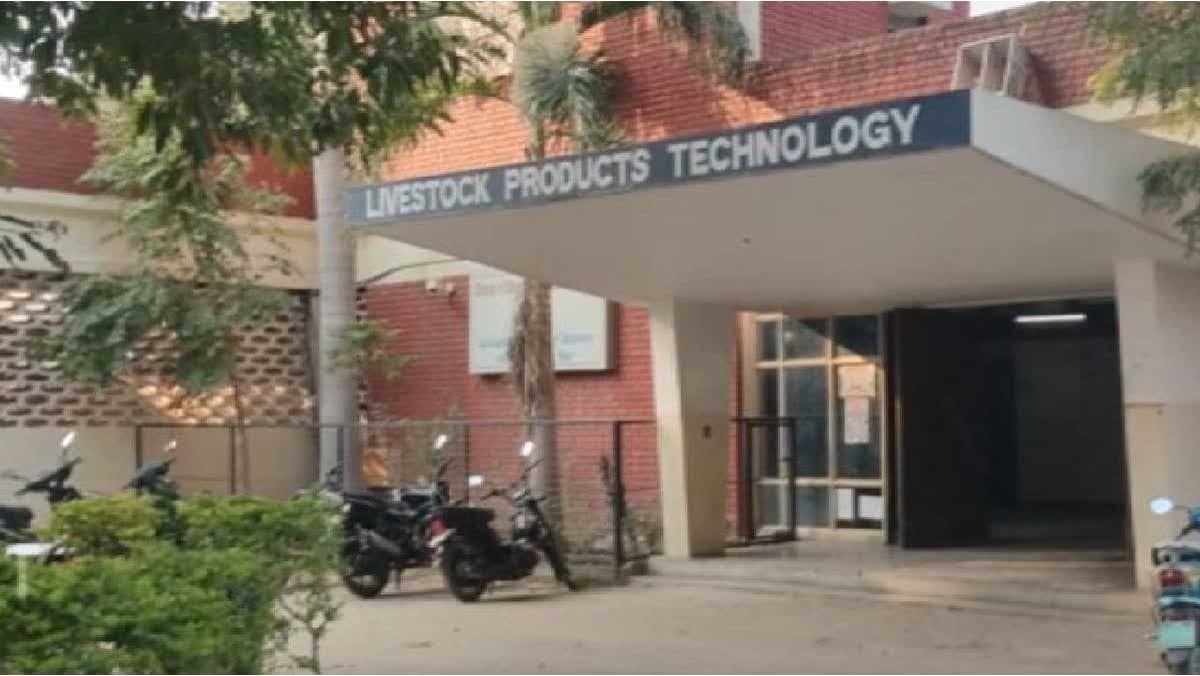
Researchers at LUVAS, Hisar have announced the development of a whey-based health drink derived from cheese/paneer by-product — billed as “India’s first nutrient-rich health drink from cheese byproduct.”
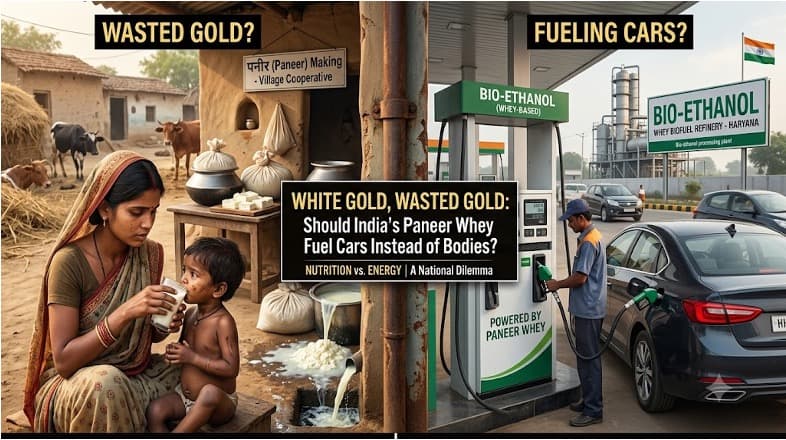
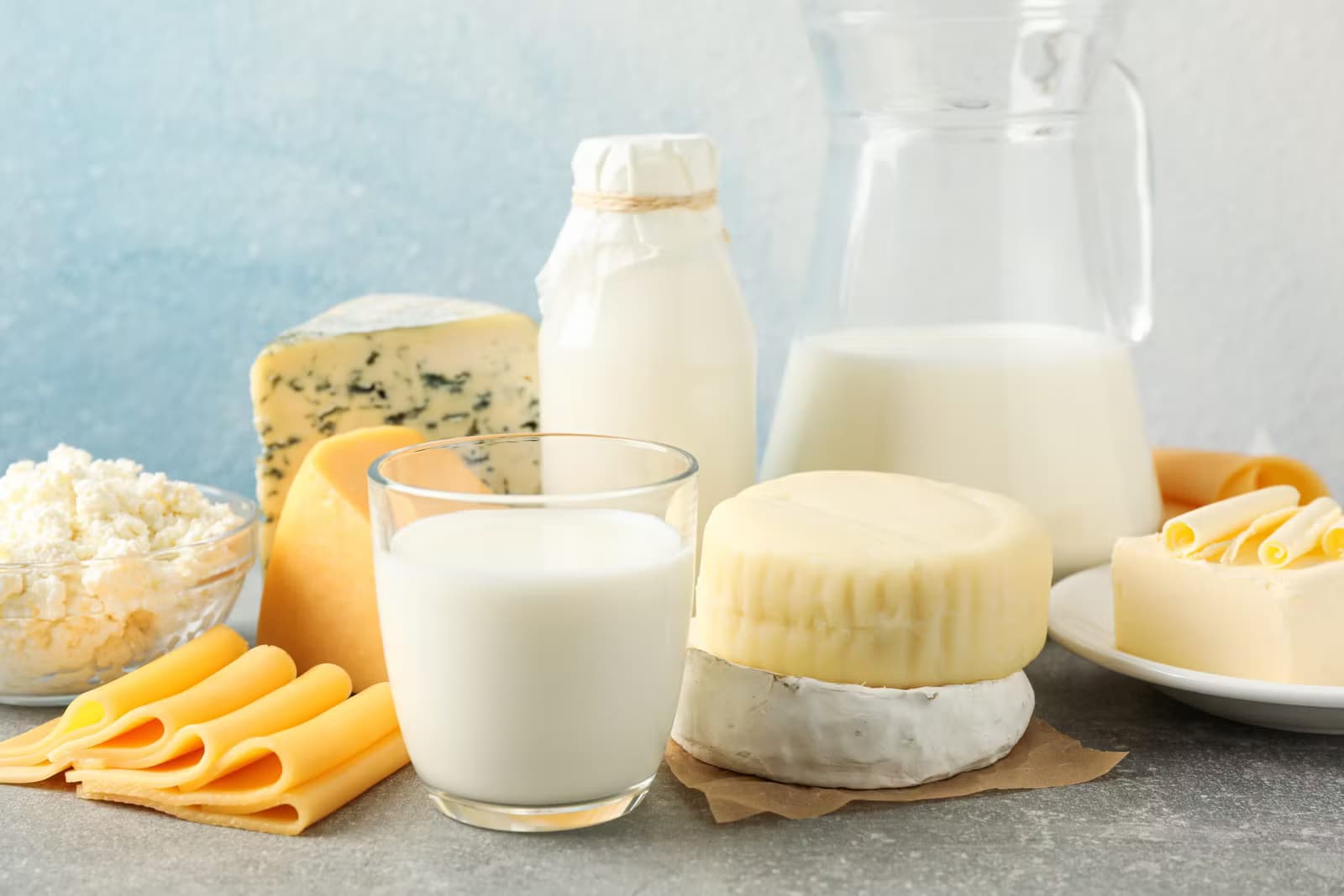
Whey — the liquid left after milk curdling in cheese or paneer production — is often discarded. Yet it is nutritionally valuable: besides being rich in proteins, whey contains essential minerals, water-soluble vitamins and other bioactive components.
Scientific reviews highlight whey’s potential: it carries whey proteins (such as lactoglobulin, lactalbumin), lactose, salts, vitamins and minerals, all of which contribute to nutrition and may offer immune benefits.
Globally, whey (from cheese/paneer/whey industry) is already widely used in functional beverages, nutritional drinks, fermented beverages, and food-fortified products — often as a value-added use of what would otherwise be waste.
According to the media report, LUVAS has converted paneer/cheese whey into a “kefir-like” health drink — essentially transforming a by-product into a nutritious beverage that can benefit heart-patients, children, and general consumers alike.
In doing so, they address two problems at once: (a) reducing dairy-industry waste and environmental pollution from whey disposal, (b) tapping the nutritional value of whey proteins and minerals to supply a healthy, protein-rich drink option for consumers. This kind of product could help India broaden access to affordable nutrition, especially for people who may not otherwise get high-quality proteins or balanced nutrients.
With rising demand for protein-rich, health-oriented foods — especially among younger, urban consumers, fitness-oriented segments, and nutrition-conscious families — whey-based beverages can offer a low-cost, high-nutrition option. As outlined in recent industry analyses, India’s protein-market is expanding rapidly.
Moreover, utilising whey helps reduce environmental burden: when cheese or paneer is produced, about 80–90% of milk input ends up as whey — if not properly processed or utilised, it becomes waste, causing pollution or lost resource value.
Whey-based drinks also represent an opportunity for value-addition in the dairy supply chain: instead of limiting output to milk, paneer or cheese, dairy processors can diversify into functional beverages, nutritional drinks, and health-oriented products — opening new markets and improving returns.
While whey has high nutritional potential, there are technical and consumer-acceptability challenges. Earlier studies on whey-based beverages have highlighted issues with microbial stability, taste/colour/texture, and shelf-life — which require careful processing, formulation, pasteurization/sterilization, and quality control.
For mass consumption, ensuring consistent quality, safety (e.g. absence of contaminants), proper labeling (nutrient content, lactose content, storage instructions), and consumer awareness will be key.
If LUVAS’s innovation is scaled and adopted widely, India could see:
A new class of affordable, nutrient-rich health beverages, tapping the nutritional value of whey for urban and rural consumers.
Reduced waste and environmental burden, as dairy by-products (whey) get converted into consumable products rather than being discarded.
Additional income and value-addition for dairy & cheese/paneer producers, who can sell whey or produce whey-based drinks, rather than discarding by-product.
A boost to public health and nutrition, especially for children, elderly, low-income households — making high-quality protein and micronutrients more accessible.
Encouragement for dairy innovation and startups — promoting new product development, functional foods, fortified beverages, and a shift towards value-added dairy economy rather than commodity-milk economy.
LUVAS’s whey-based health drink represents a promising step toward sustainable, nutrition-driven dairy innovation in India. By converting cheese by-product (whey) into a consumable, nutrient-rich beverage, the research taps an underutilized resource — offering potential benefits for consumers, dairy producers, and the environment.
Source : Dairynews7x7 Dec 2nd 2025 ETV Bharat