Latest Blogs
See More


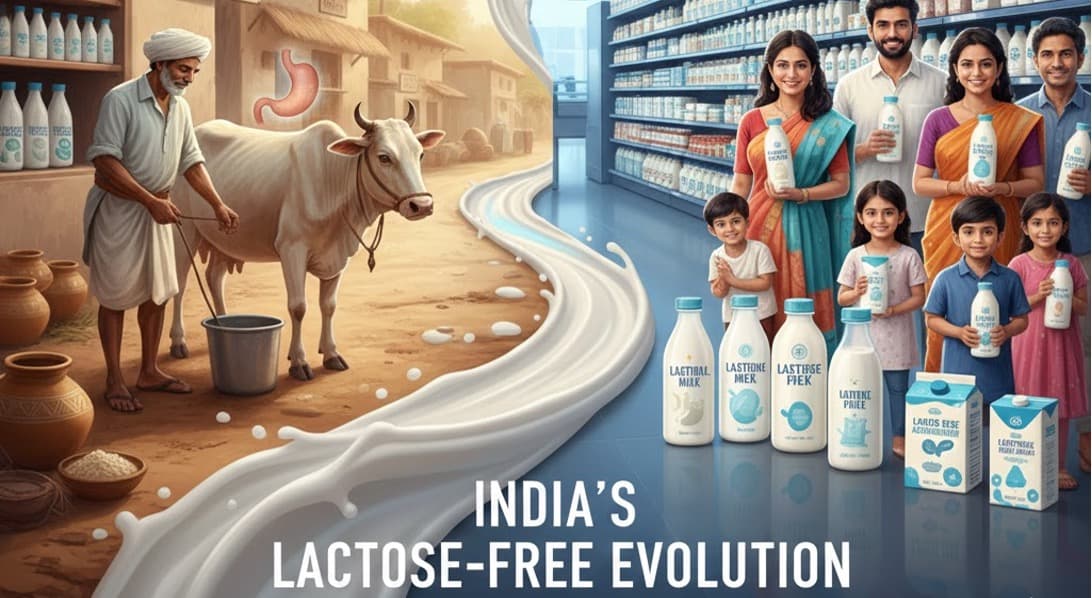
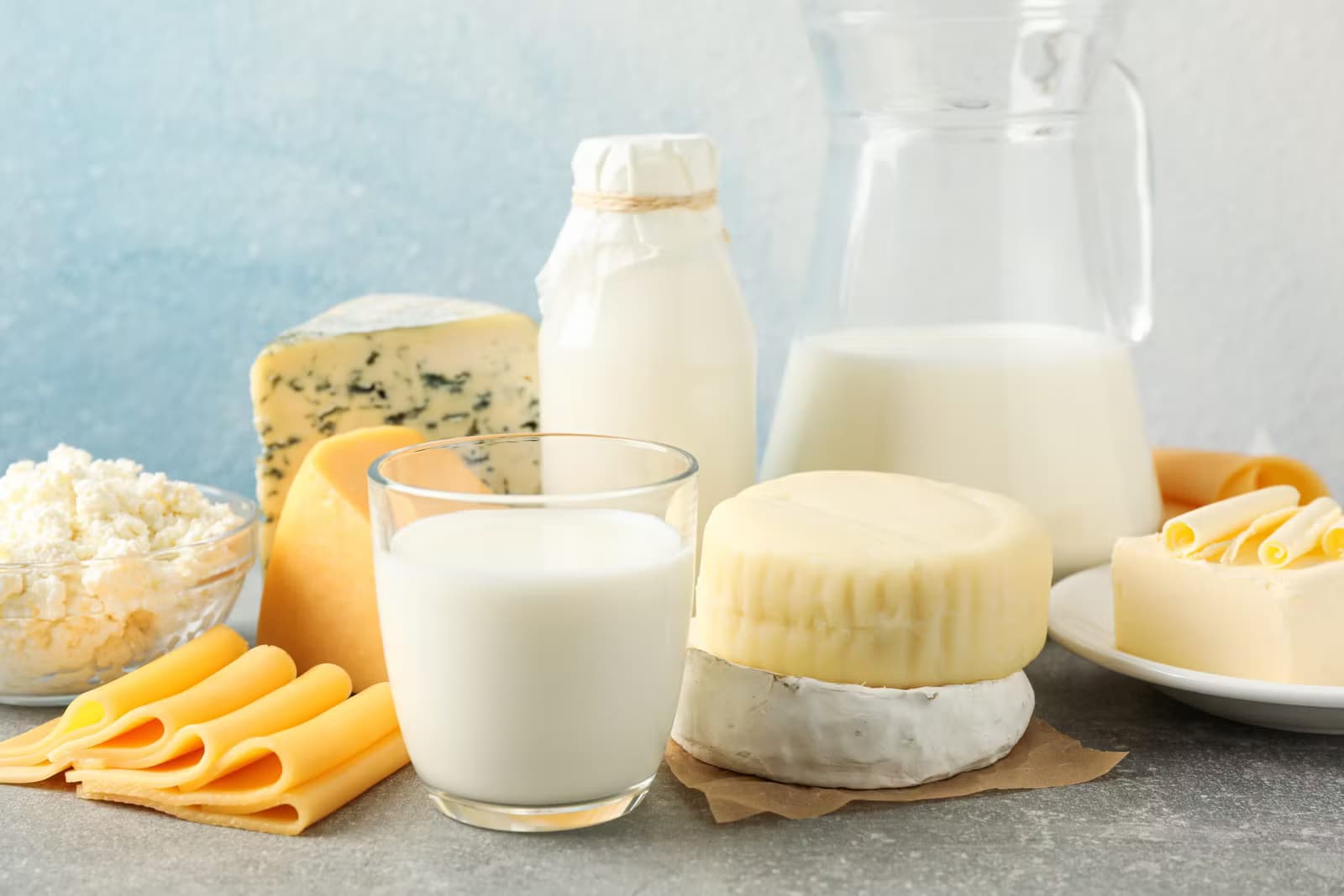
India’s dairy sector — already the world’s largest in raw milk output — is witnessing the emergence of lactose-free milk as a meaningful and fast-growing segment within the broader fluid and value-added dairy landscape. Once considered a niche category, lactose-free milk is gaining traction with a newer generation of consumers seeking digestive comfort, health benefits and functional nutrition, reflecting shifting consumption patterns in urban and peri-urban India.
Industry executives and market watchers say that while the lactose-free category still represents a small proportion of overall milk sales today, its year-on-year growth rates are significantly higher than traditional liquid milk. Health awareness campaigns, rising rates of lactose intolerance recognition, and expanded availability through both modern retail and direct-to-consumer channels are driving this momentum. Major dairy brands and emerging players alike are launching lactose-free milk, UHT variants, fortified versions (calcium, vitamin D) and combinations targeted at children, fitness audiences and older adults.
Consumer behaviour data suggests that a growing cohort of Indians associate lactose-free milk with better digestion, reduced bloating and enhanced energy, and this has helped the segment secure premium pricing relative to conventional milk. While mainstream milk still dominates with volumes measured in millions of litres daily through cooperative and private procurement, lactose-free variants are carving out a strategic niche — particularly in Tier-1 and Tier-2 cities — contributing to broader premiumisation trends in the dairy market.
From a retail perspective, distribution expansion has been pivotal. Lactose-free products initially had limited penetration beyond specialised outlets, but are now increasingly available at large supermarkets, online grocery platforms, subscription models and home delivery networks. This accessibility has helped accelerate consumer sampling and repeat purchases, particularly in health-conscious demographic clusters.
Market analysts also highlight the role of product innovation and brand positioning in propelling the lactose-free segment. Several dairy companies are leveraging:
Fortification with micronutrients
UHT processing for longer shelf life
Digital engagement campaigns on digestive health
Cross-category formats (yoghurt, flavoured lactose-free beverages)
Such innovations are widening the use case for lactose-free milk beyond clinical necessity to everyday wellness, reshaping the traditional milk consumption narrative in India.
Despite strong interest, challenges remain. Production costs for lactose-free milk — which involves enzymatic treatment to break lactose sugars — are higher than for standard milk, and require investments in specialised processing lines and quality assurance systems. Moreover, consumer education on the difference between lactose intolerance and general milk digestion issues is still nascent, requiring sustained marketing and outreach. Nevertheless, the premium margins and differentiated positioning have attracted interest from both traditional dairy processors and new-age FMCG brands.
As India’s dairy market continues its broader “reset” — with demand growth shifting from pure volume to value creation, health alignment and experience-driven consumption — lactose-free milk exemplifies how product segmentation can unlock new growth curves within a massive dairy ecosystem. For dairy companies and investors alike, the category presents an opportunity to blend nutrition science with market strategy, while contributing to a more diversified and resilient dairy value chain.
Source : Dairynews7x7 Dec 19th 2025 Mint and others