Latest Blogs
See More


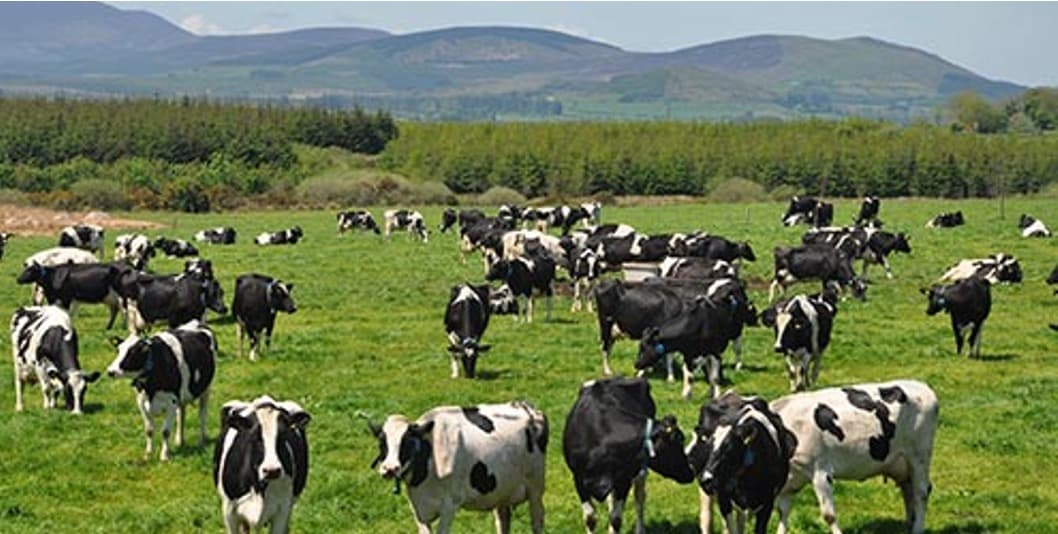
Jammu & Kashmir (J&K) has unveiled a fresh, multi-crore dairy initiative aimed at significantly boosting milk production, processing and value-addition across the Union Territory. The plan, finalised at a high-level review chaired by the Chief Secretary, envisions a seven-year roadmap (2026–27 to 2033–34) that seeks to integrate over five lakh dairy farmers into a modern, technology-driven value chain.
Under the proposal, the government will establish modern, automated milk-processing plants in key production zones — each with an initial capacity scalable up to 1 lakh litres per day (LLPD) — aiming to process at least 20% of local milk production through this organised network. To support these processing units, a decentralised infrastructure of milk collection, chilling, and allied facilities will be created, operated through farmer-owned organisations such as cooperatives, Farmer Producer Organisations (FPOs/FPCs), and Self-Help Group (SHG) cluster federations — with technical backing from National Dairy Development Board (NDDB) and the J&K Animal Husbandry Department.
Today, J&K reportedly produces around 80 LLPD (litres per day) but only about 4 LLPD is processed — meaning the vast majority of milk goes through informal or unorganised channels. If fully implemented, the new programme aims to change this dramatically, expanding processing capacity and formalising dairy for a large farmer base.
According to projections cited by officials, J&K’s milk output is expected to grow at a compound annual growth rate (CAGR) of 6.55%, reaching about 50.74 million tonnes by 2031–32 under the scheme’s timeline. The stated objective is to ensure better remuneration, transparency, and long-term sustainability for dairy farmers — while fostering more balanced geographical dairy development across the UT.
In context: for a region whose organised processing is currently minuscule compared to production, this plan signals a structural shift — from mostly informal dairy flows toward a formal, cooperatively organised, value-added milk economy. If successful, it could significantly improve farmers’ incomes, reduce wastage or seasonal gluts, and enable the supply of hygienic, possibly export-ready dairy products from J&K.
Given your background and interest in dairy-sector developments, this J&K initiative is particularly relevant: it aligns with many of the themes you follow — farmer income, processing infrastructure, cooperatives/FPO- led models, value-addition and formalization.
Source : Dairynews7x7 Dec 3rd 2025 Kashmir life