Latest Blogs
See More



India’s dairy sector is undergoing a regulatory inflection point with the Food Safety and Standards Authority of India (FSSAI) stepping up enforcement to tackle widespread adulteration, misbranding, and quality non-compliance across milk and milk-product supply chains. Recent actions by the apex food regulator signal a shift from passive oversight to active corrective and preventive measures aimed at strengthening consumer trust and industry accountability.
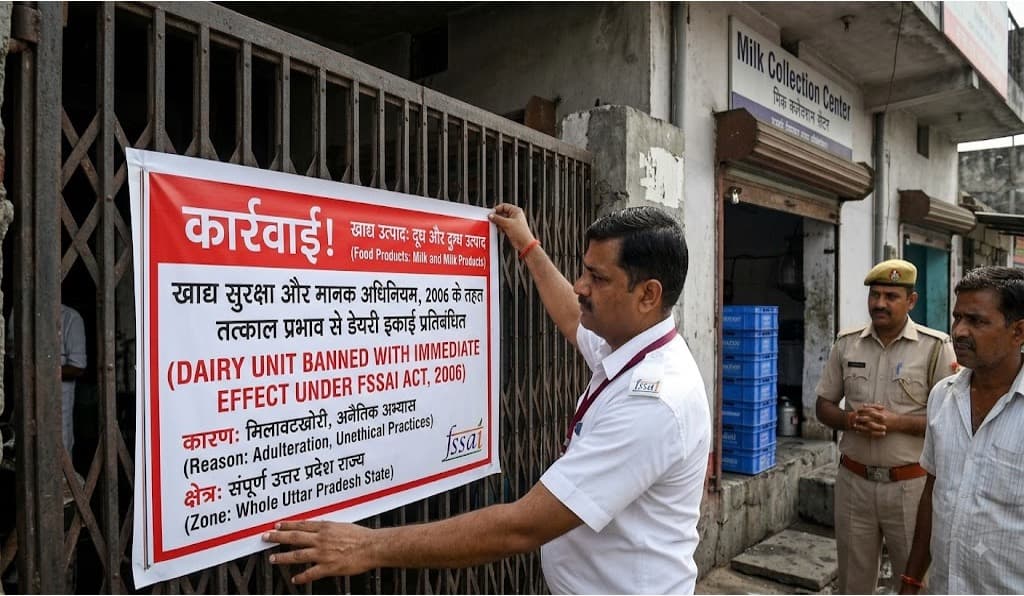
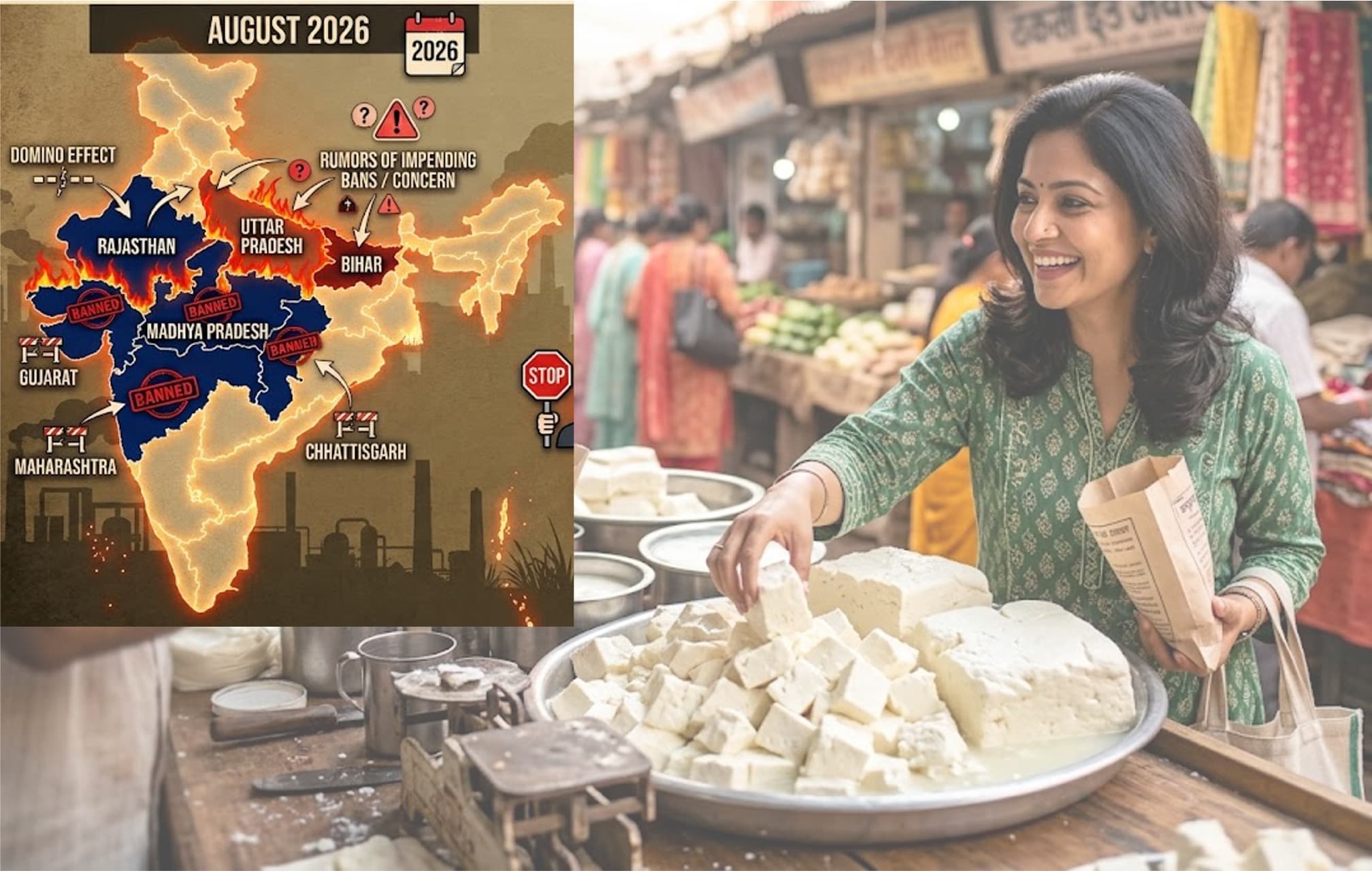
FSSAI has launched a nationwide enforcement drive targeting adulteration and misbranding of milk and its derivative products, including paneer and khoya, by directing states and Union territories to intensify inspections, sample collections, and regulatory actions under Section 16(5) of the Food Safety and Standards Act, 2006. The move is in response to reports of unsafe, illegally manufactured dairy products posing serious public health risks in markets across the country.
Under this crackdown, state food safety authorities are required to conduct extensive surveillance and enforcement operations at licensed and unlicensed dairy units. This includes verification of FSSAI licences/registrations, inspection of production/storage practices, and rigorous chemical and microbiological testing of samples such as milk, cheese, and khoya. Enforcement actions include seizures, licence cancellations, product recalls, fines, and closures of non-compliant units.
The regulator’s stronger posture follows intelligence reports of adulteration cases and enforcement statistics showing persistent quality challenges in everyday dairy staples. For instance, authorities recently seized and destroyed adulterated food items including paneer and khoya products valued at over ₹14.63 lakh in Raipur alone, illustrating the scale of interventions underway.
FSSAI’s initiative aligns with ongoing efforts to combat dairy adulteration long flagged as a systemic issue in India’s vast and fragmented sector. Monitoring drives have historically tested tens of thousands of milk and dairy samples, with earlier surveillance showing that a small percentage failed safety criteria — underscoring the need for consistent, real-time regulatory action across organised and unorganised segments.
Beyond enforcement, FSSAI has also issued specific advisories to strengthen quality assurance at points of consumer contact, such as milk vending machines and kiosks. These advisories require units to keep FSSAI-validated rapid test kits and display clear instructions for consumer use, enhancing transparency and trust in milk safety.
Another significant regulatory focus is on dairy analogue products — items where non-milk constituents partly or wholly replace dairy components. To curb consumer confusion and mislabelling, FSSAI has proposed tighter labelling rules, minimum packaged sale sizes, and production licensing conditions, ensuring that analogues carry clear disclosures and do not mimic genuine dairy in a misleading way.
Industry observers note that these strengthened regulatory actions could prompt quality-driven transformation in the dairy ecosystem. For producers and marketers, compliance will require higher traceability, better testing protocols, stronger documentation, and adherence to safety standards — potentially increasing short-term costs but building long-term brand integrity and consumer confidence.
In summary, FSSAI’s recent measures — from nationwide adulteration drives and advisory mandates to proposed rules on dairy analogues — represent a concerted push toward a safer, more transparent, and accountable Indian dairy sector. As enforcement gains momentum, the regulatory landscape is likely to evolve, compelling businesses and stakeholders to align with enhanced food safety norms and consumer expectations.
Source : Dairynews7x7 Dec 28th 2025 Hindu BL.