Four Ludhiana Dairy Owners Booked Over Waste Disposal
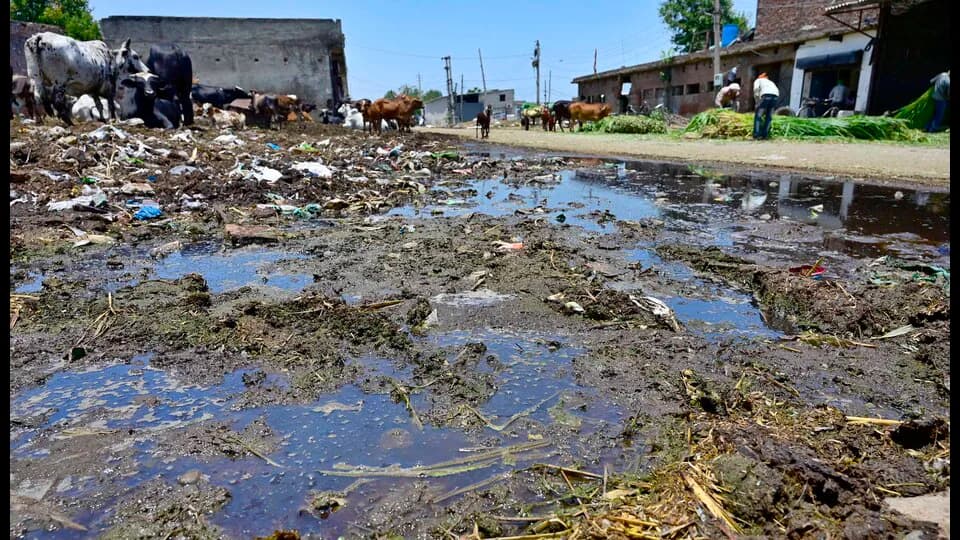
Cow dung management is becoming a compliance issue—not just a sanitation issue—for dairy farms. Four dairy owners from Ludhiana’s Haibowal Dairy Complex have been booked for allegedly disposing of cow dung into drains, with the waste eventually reaching the effluent treatment plant (ETP).
The Punjab Agricultural University police station registered two FIRs on Friday following a complaint from a junior engineer of the Municipal Corporation’s Operations and Maintenance Cell. The cases were registered under Section 279 of the Bharatiya Nyaya Sanhita, concerning fouling of public water sources, and Sections 70(3), 70(5) and 70(12) of the Northern India Canal and Drainage Act.
The FIRs name Gursewak Singh and Joginder Singh in one case, and Mukhtiar Singh and Pappu in the other. The action followed a 42nd review meeting of the Buddha Nullah rejuvenation project, conducted by Rajya Sabha member Balbir Singh Seechewal at the MC Zone D office in Sarabha Nagar, where officials from the civic body, Punjab Pollution Control Board and police were directed to take strict action against dairy owners dumping cow dung into the Buddha Nullah.
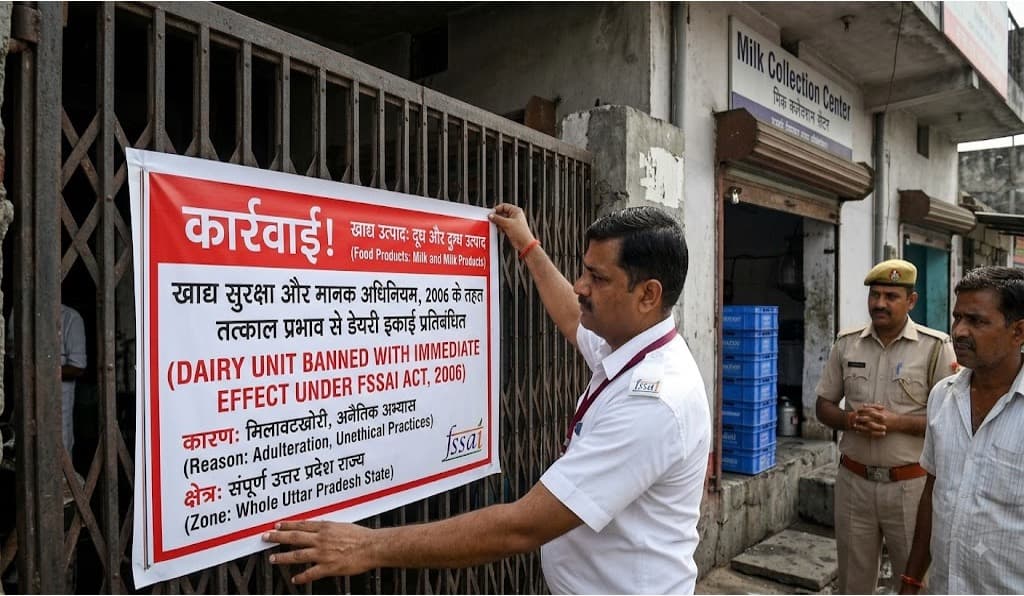
This is not the first enforcement action in the area. In July 2026, the Municipal Corporation had filed an FIR against 13 dairy owners for violating pollution norms, while the Haibowal Dairy Complex has continued to face problems of streets being covered with wastewater and cow dung from overflowing drains. Excessive water discharge has also been identified as one factor contributing to the overloading of drainage lines.
The National Green Tribunal (NGT) allows a dairy unit to flush only 100 litres of water per animal. The Municipal Corporation has instructed dairy operators to install water meters to help enforce this requirement.
For the dairy industry, the development highlights the growing importance of wastewater management, manure handling and environmental compliance alongside milk production. As dairy clusters expand, responsible disposal and monitoring of cow dung and water discharge are becoming increasingly important for protecting local water bodies and maintaining regulatory compliance. (HindustanTimes)
Source: Dairynews7x7 25 Aug, 2026 Read full story here
#DairyIndustry #DairyWasteManagement #EnvironmentalCompliance #DairyFarming #PunjabDairy #WastewaterManagement #DairyNews7x7