Latest Blogs
See More


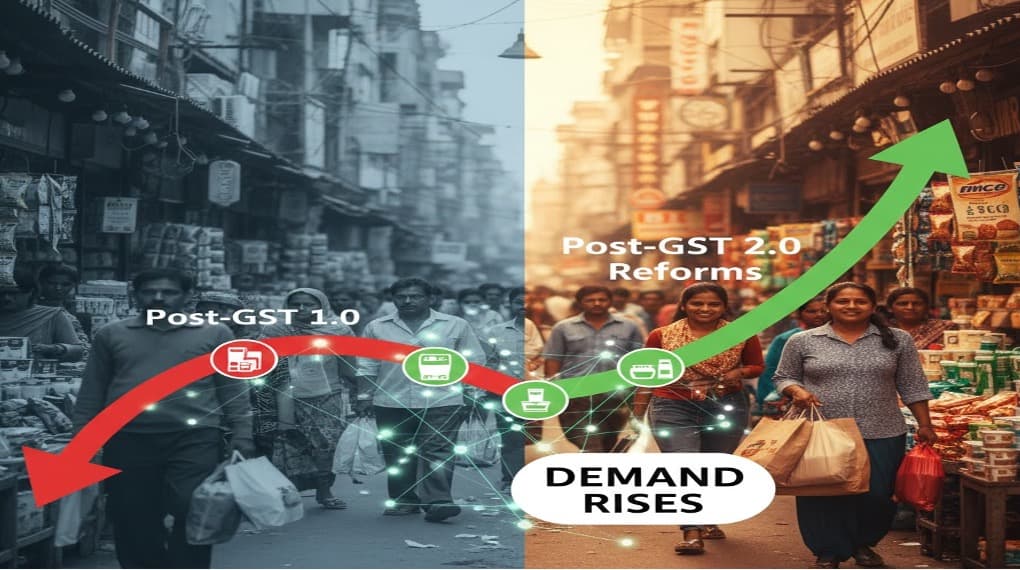
India’s fast-moving consumer goods (FMCG) sector is showing clear signs of recovery after initial disruptions caused by the rollout of GST 2.0, with companies reporting stabilisation of operations and preparing for renewed demand growth in the coming quarters.
Following the GST structure revision, the FMCG industry faced a transitional slowdown as supply chains, inventory strategies, and pricing across retail channels were realigned to the new tax regime. The period saw temporary dips in production volumes and sales activity as businesses updated systems to reflect changed GST slabs — notably lower rates on essential items like soaps, shampoos, toothpaste, pantry goods and certain dairy products.
However, months after implementation, FMCG firms report that operations have largely normalised with supply chains functioning efficiently and inventory replenishment completed across primary, secondary, and retail channels. This has paved the way for a positive demand trajectory, with executives expressing optimism about stronger consumption ahead, particularly as lower tax rates begin to influence consumer purchase behaviour.
Analysts note that GST 2.0’s simplified slab system — with items shifted into lower tax categories or to nil where applicable — is expected to boost affordability and spur discretionary spending over time. Daily-use products and basics, including certain dairy spreads and packaged foods, now attract reduced tax, which industry bodies believe will support volume growth and expand market reach, especially in rural and value-sensitive segments.
Market observers also highlight that the GST transition coincided with festive demand cycles, which further helped absorb supply adjustments and encouraged consumer stocking. Many FMCG companies are expected to pass on benefits to consumers through grammage increases and price realignment to enhance value offering and trigger repeat purchases.
While some businesses experienced short-term moderation in sales during the transition period due to deferred purchases ahead of GST cuts, the overall outlook remains constructive as demand momentum is set to strengthen in FY26. The cumulative effect of lower tax burden, improved distribution efficiency, and renewed rural and urban commerce activity underpins the sector’s growth prospects.
In summary, after navigating initial transitional friction post-GST 2.0 implementation, India’s FMCG sector has stabilised operations and is now geared toward robust demand recovery, supported by policy-induced price advantages and improving consumption patterns across markets.
Source : Dairynews7x7 Dec 29th 2025 TOI