Latest Blogs
See More


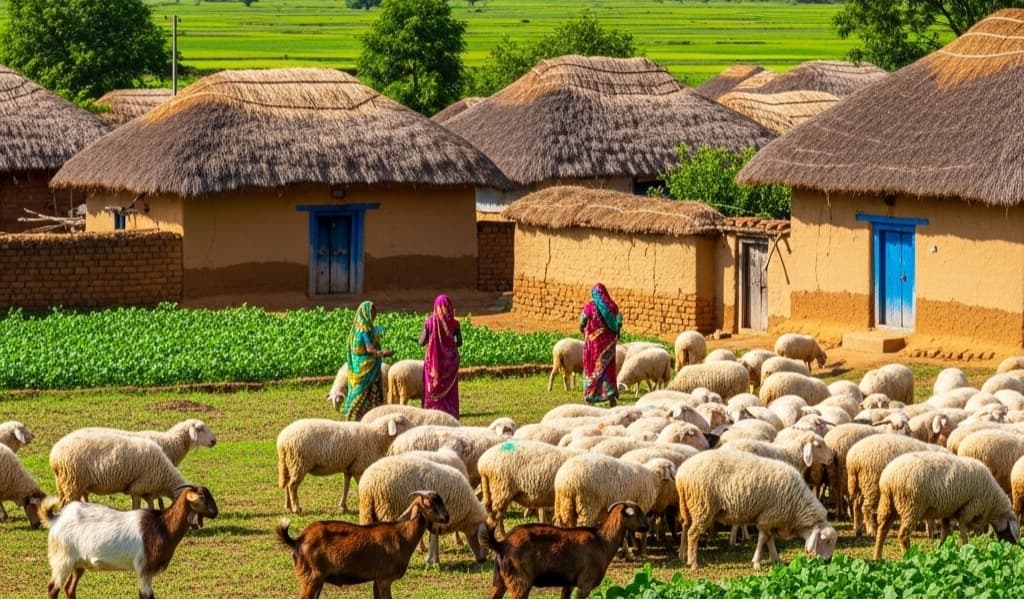
A recent Down To Earth feature highlights a pivotal shift in India’s livestock strategy—beyond traditional dairy cattle (“big hooves”), attention is now expanding to small ruminants (goats, sheep) and poultry (“small hooves and beaks”) due to their economic resilience, low input needs, and export potential . Goat populations in India have grown significantly—from 148 million presently (16% of global total)—with goat and sheep milk production rising to 7.59 million tonnes in 2023, constituting about 3.3% of national milk output. While sheep milk remains niche, premium products like artisan cheeses and yogurt are emerging markets .
From a dairy trade perspective, these developments suggest that India’s export strategy may evolve beyond cow and buffalo milk. Goat and sheep milk, with greater adaptability to arid conditions and smaller-scale producers, present fresh trade corridors—particularly into Middle East, Africa, and specialty European markets. Value chains for goat and sheep dairy are supported by government schemes like the National Livestock Mission, which allocated ₹1,992 crore toward nearly 2,700 small ruminant projects between 2014 and 2023—driving breed improvement and market linkages .
Small ruminant systems are cost‑effective, thrive in semi-arid zones unsuitable for cattle dairy, and reduce reliance on high-feed, water-intensive bovine production. This shift could help cushion export risk if global dairy markets tighten due to climate events or major exporter volatility. Diversification into goat and sheep milk may also align with rising global demand for functional and artisanal dairy products.
Industry Insight:
Diversifying export portfolio toward goat, sheep, and poultry-linked dairy can enhance India’s rural resilience, reduce risk concentration in cattle, and unlock new export revenue streams—particularly in high-value niche markets.
Source : Dairynews7x7 July 30th 2025 Read full story here