Latest Blogs
See More



As the Union Budget 2026–27 approaches, India’s dairy industry is lining up policy priorities aimed at reducing costs and boosting sector competitiveness. Key expectations include further rationalisation of Goods and Services Tax (GST) on dairy products, upgraded processing and cold-chain infrastructure, export support measures and revamped credit facilitation — all of which stakeholders hope will strengthen the value chain from farm to market.
GST Rationalisation:
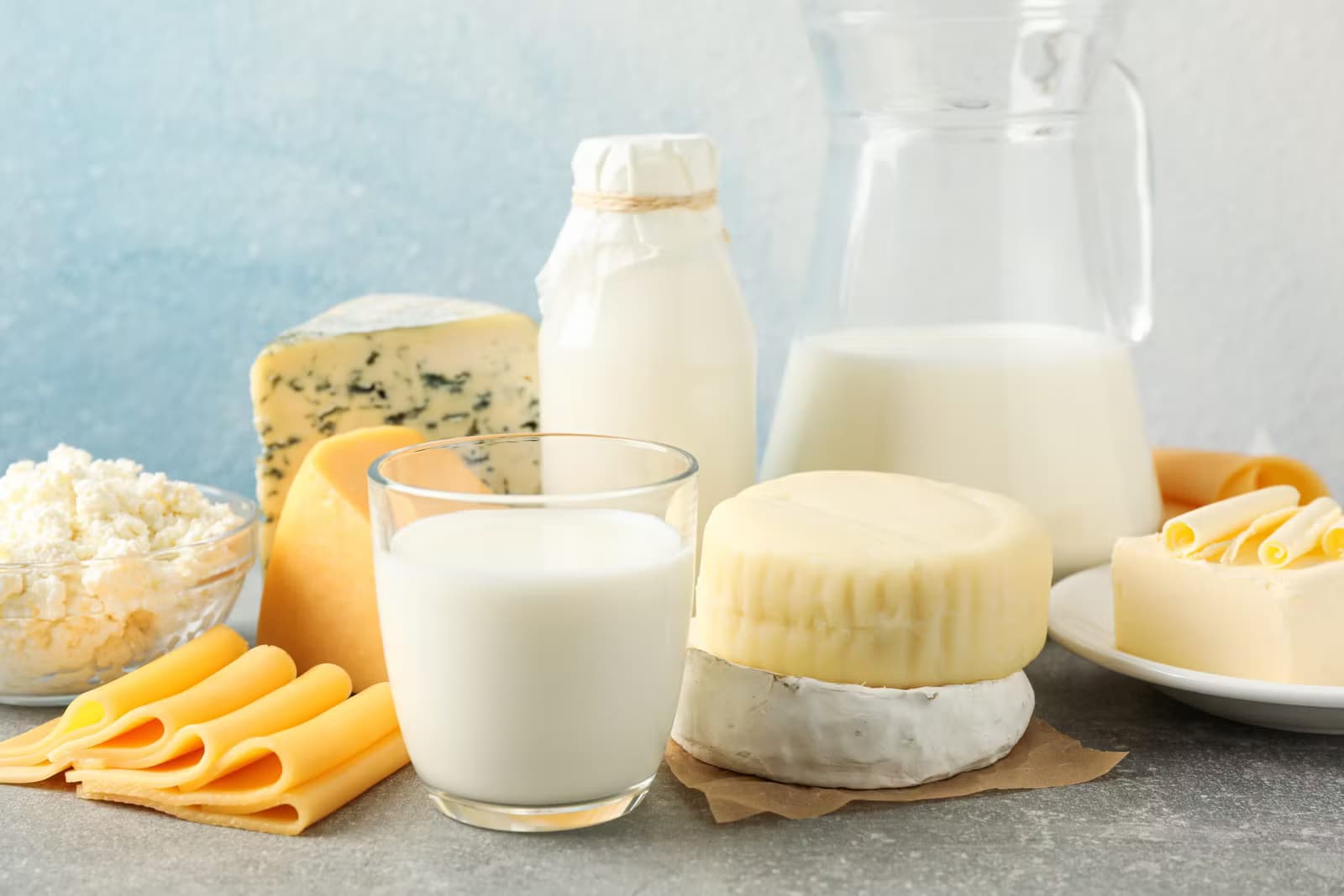
Industry bodies have highlighted that the GST regime should be made more uniform and competitive for dairy products, particularly in value-added segments such as cheese, whey protein, flavoured milk and dairy beverages. Uniform rates across states and reduced tax burdens could lower consumer prices, boost demand and improve margin sustainability for processors and cooperatives.
Infrastructure Upgradation & Cold-Chains:
Improved dairy infrastructure remains a cornerstone expectation. The sector is seeking higher budgetary allocations for processing plants, chilling centres, cold-chain logistics and laboratory facilities. Strengthening infrastructure is seen as critical to reducing post-harvest losses, ensuring quality and food safety, and expanding market access for milk processors, especially in tier-2 and tier-3 cities and rural hubs.
Export & Market Support:
With India building momentum in buffalo meat and dairy ingredient exports, industry leaders want the Budget to include export incentives, freight support, aligned certification systems and branding assistance for key markets such as the U.S., EU and ASEAN — all measures that could improve price realisation for farmers and cooperatives.
Credit & Technology Access:
There are calls for enhanced credit support for smallholder dairy farmers, especially for technology adoption such as automatic milk collection systems, herd management tools and quality testing equipment. Access to affordable finance is seen as essential to scale productivity and ensure farmers participate more fully in organised value chains.
Long-Term Competitiveness:
Beyond immediate cost relief, the industry is also advocating for forward-looking policies that encourage private investment, cold-chain expansion and export market development, supporting the government’s broader goals under the White Revolution 2.0 strategy to make India’s dairy not just the world’s largest in output, but also highly competitive in value, quality and global markets.
Source : Dairynews7x7 Jan 24th 2026 Upstox