Latest Blogs
See More


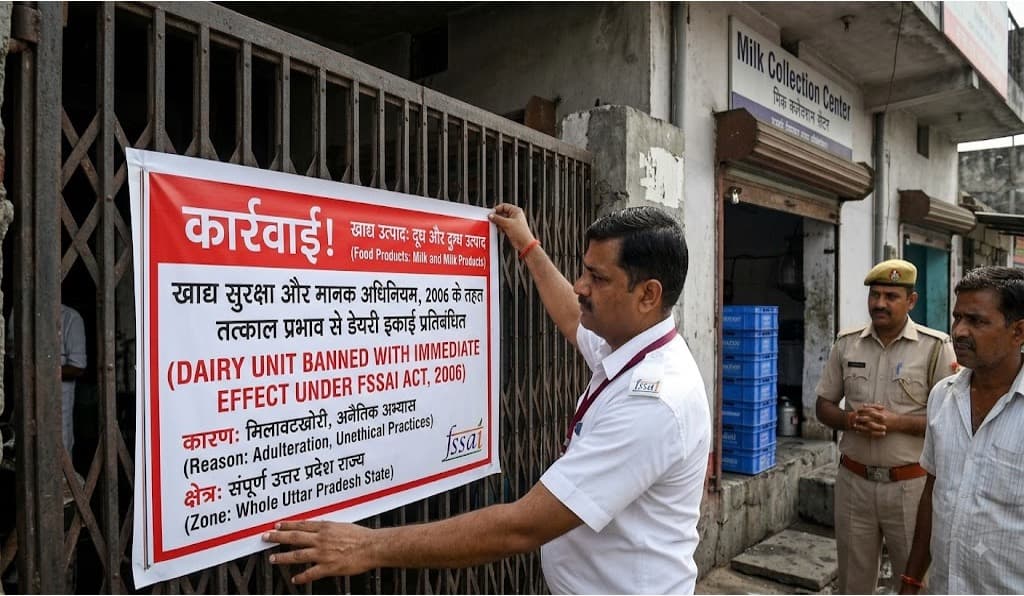
An investigation by Dainik Bhaskar has uncovered a massive milk adulteration racket operating across Rajasthan, with synthetic and chemical-laced milk being transported in tankers and supplied to dairies, and eventually into homes.
The operation, uncovered over a month-long sting, reveals how toxic chemicals like urea, shampoo, and detergents are being mixed with real milk to produce artificial milk on highways before being delivered to major dairies.
Adulteration hub behind highway hotel
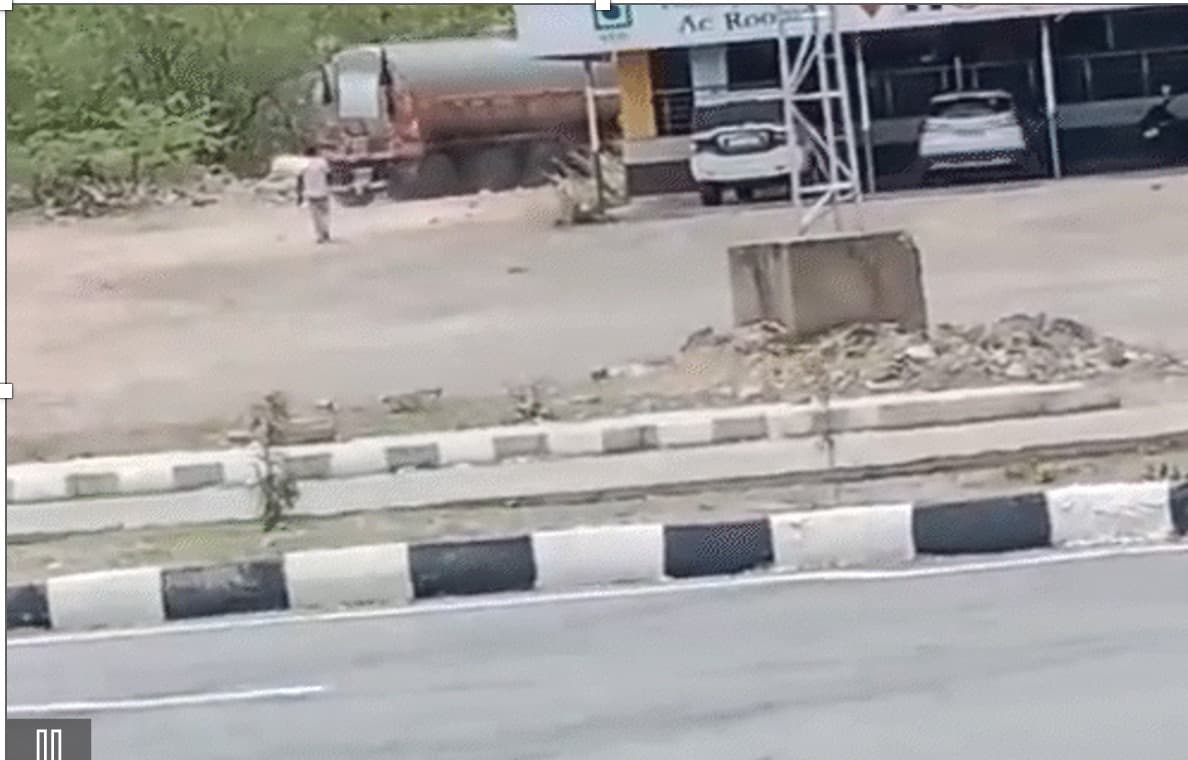
The gang was found operating behind Hotel Shyam Sangam near Srinagar village, 20 km from Kishangarh. The area, concealed by bushes and hills, served as an adulteration hub. Tankers loaded with real milk arrived here, where the drivers, with the help of hotel staff, used a special key to unseal the tankers.
They removed 2,000 to 4,000 liters of real milk and replaced it with synthetic milk prepared in nearby pickup trucks using toxic chemicals. This mixture was added back into the tanker using a motor pump and pipe. The entire operation took just 15 to 20 minutes.

Deadly ingredients used in fake milk
Instead of water, the gang uses urea (used in fertilizers), shampoo, detergent, and refined oil to create synthetic milk. This concoction is highly dangerous and can lead to intestinal inflammation, liver damage, heart ailments, miscarriages, and even cancer.
One liter of chemical base is enough to create 500 liters of fake milk. Once the tanker is refilled, it resumes its journey toward major dairy collection centers.
Following the trail to Doodh Sagar dairy
Bhaskar reporters followed a specific tanker, GJ02 XX4769, from the adulteration hub toward Jaipur and then Delhi. After traveling 350 kilometers, it reached Doodh Sagar Dairy in Manesar, Haryana, just 50 km from Delhi.
At the dairy gate, a security guard checked the seal and weighed the tanker. However, the seal had been cleverly replaced to escape detection. The tanker was then allowed inside for milk offloading.

Bypassing GPS monitoring with tricks
Most dairies use GPS tracking devices to monitor the movement of milk tankers. To dodge this, drivers remove the GPS from the tanker and hand it to someone on a bike or car, who drives along the highway. This trick dairy monitoring staff into believing the tanker is moving without stoppage.
Meanwhile, adulteration is done in hidden spots behind hotels. Before reaching the dairy, the GPS device is reinstalled into the tanker.

Chemical milk passes quality tests
According to Inspector Hemraj Meena of Jaipur Rural Police, several tanker drivers were caught supplying adulterated milk to dairies like Amul. He explained that earlier methods using urea and formalin have been replaced by more sophisticated chemical formulas, which can’t be detected by conventional lactometers or milk testers.

The police also raided a chemical manufacturing unit in Chithwadi, Samod, suspected to be supplying materials for fake milk.

Questioning Doodh Sagar dairy management
When confronted with evidence, Doodh Sagar Dairy manager Prateek Kumar initially denied the possibility of adulterated milk entering the facility, insisting that tankers are checked thoroughly. However, he agreed to investigate further if tanker details and videos were shared.


How the dairy supply chain works


36 out of 50 samples found adulterated in Jaipur
Dr. Ravi Singh Shekhawat, Chief Medical and Health Officer (CMHO) of Jaipur, confirmed that in the last year, 36 out of 50 milk and paneer samples tested were found to be adulterated. He said action is being taken under Section 51 (substandard goods), Section 52 (misbranding), and Section 59 (unsafe/adulterated products).
This investigation reveals a public health crisis in the making, where toxic milk is silently entering kitchens through an untraceable supply chain. It exposes collusion between tanker drivers, hotel owners, and possibly dairy insiders. Urgent regulatory action, stricter surveillance, and public awareness are critical to stop this dangerous practice.