Latest Blogs
See More


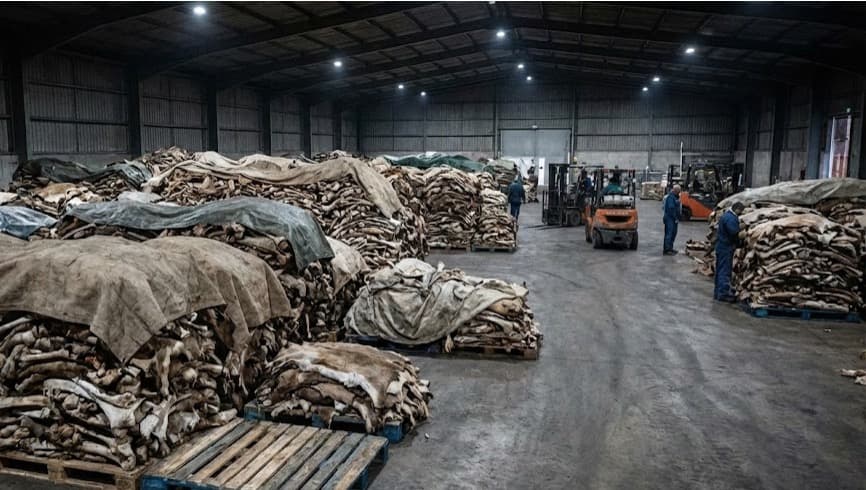
A landmark audit of livestock fatalities in Punjab has exposed a vast and largely unregulated livestock carcass disposal challenge, highlighting environmental and public health risks in India’s high-milk-producing state. The findings show that more than 24,000 cattle carcasses are discarded every month across 5,541 sites, most of which are unmanaged and informal.
The data was submitted in an affidavit by the Punjab science and technology secretary, Priyank Bharti, following an order by the National Green Tribunal (NGT). The audit was initiated after a petition by Army veteran Colonel Jasjit Singh Gill, who raised concerns about delays in establishing a formal livestock disposal plant in Ludhiana.
Punjab’s livestock population — estimated at around 70 lakh animals, including 65 lakh cows and buffaloes — produces a significant waste management burden. Of the 5,541 identified carcass disposal sites, only 24 are located within organised urban bodies, while the remainder are in rural areas, where disposal is handled informally and often without oversight.
The audit found that Ludhiana district, with nearly 6 lakh cattle, records the highest monthly animal fatality rate (2,206), while Hoshiarpur district has the highest number of active disposal sites (660). These findings point to a critical gap in infrastructure and regulatory mechanisms for managing livestock biological waste at scale.
The NGT has flagged the current practices as inadequate to prevent environmental degradation, particularly the risk of groundwater contamination and disease transmission arising from open and unmanaged carcass disposal. The tribunal has urged urgent formalisation of disposal infrastructure, especially in rural regions where informal practices predominate.
Punjab now faces increasing pressure to establish regulated carcass disposal systems, reduce reliance on ad-hoc rural dumping, and protect ecological health while balancing the logistical challenges posed by its extensive dairy and livestock sector.
Source : Dairynews7x7 Dec 30th 2025 TOI