Latest Blogs
See More


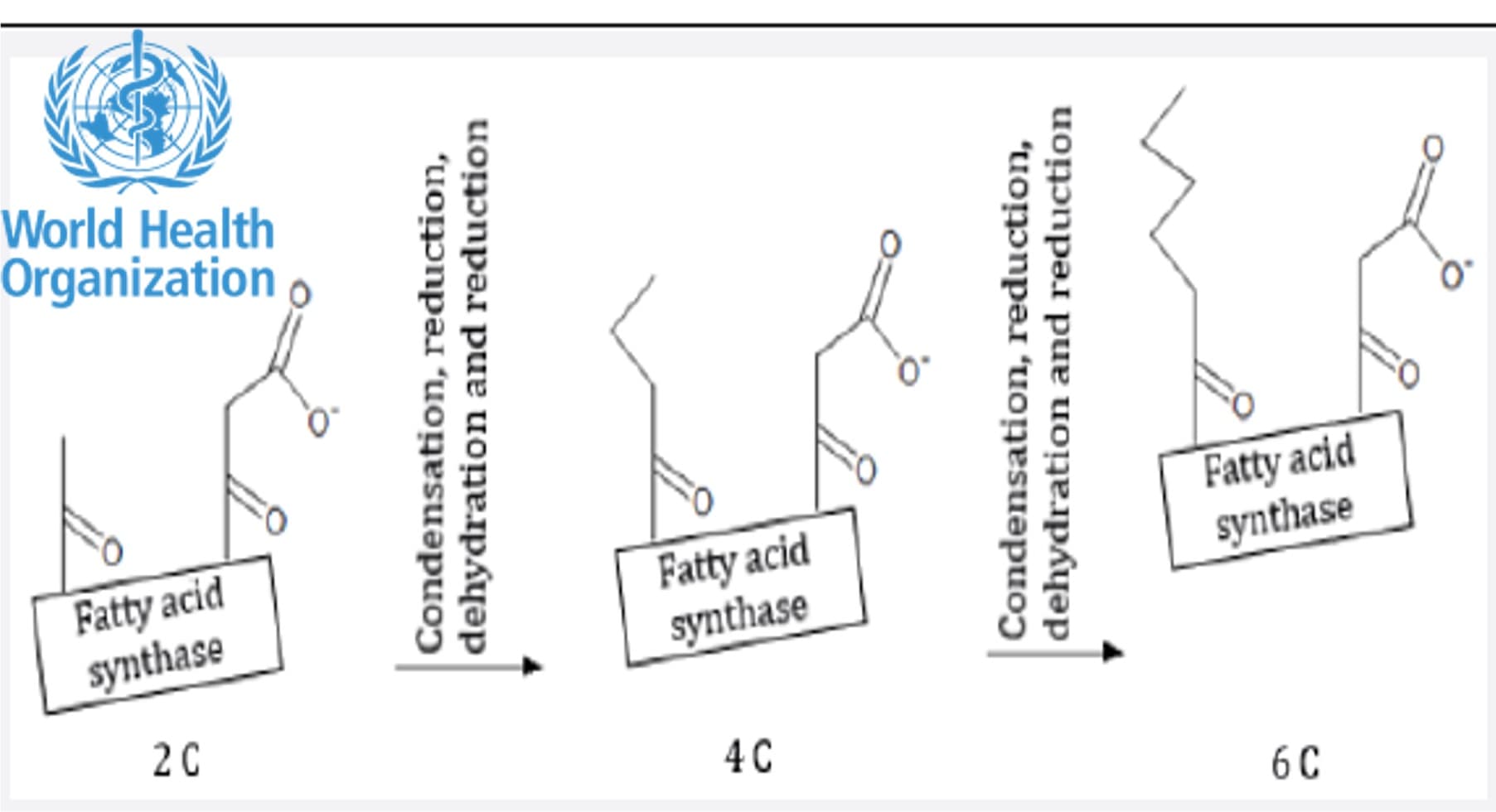
The World Health Organization (WHO) has issued a public call for data on the fatty acid composition of bovine milk, seeking comprehensive global information on the types and amounts of fatty acids — including butyric acid (C4:0) and ruminant trans-fatty acids (R-TFAs) — in whole milk, milk powder and milk fats. This data initiative, open to submissions from all countries, aims to improve understanding of milk fat profiles in relation to public health guidelines and nutritional assessment. Deadline for data submission is 15 July 2026.
Fatty acids are the building blocks of milk fat and influence both nutritional quality and health outcomes. Bovine milk contains a complex mix of fatty acids — often around 400 different types — with a majority being saturated fatty acids (SFA), significant levels of monounsaturated fatty acids (MUFA) and smaller proportions of polyunsaturated fatty acids (PUFA) and trans fatty acids (TFAs). In typical bovine milk fat, about 25% are MUFAs, ~2–5% are PUFAs and roughly 2–3% are TFAs; short-chain acids like butyric acid (C4:0) are also present and have distinct metabolic roles.
WHO’s request is set against broader global nutrition and public health efforts to differentiate between industrially produced TFAs (IP-TFAs) and naturally occurring ruminant TFAs (R-TFAs), since the former are linked with cardiovascular risk while the latter — found naturally in dairy and meat — have a different metabolic profile. WHO’s existing REPLACE action framework aims to eliminate industrial TFAs from the food supply, and better global fatty acid data from milk will support countries in policy development and nutritional guidance.
For the dairy sector, this initiative highlights the scientific importance of understanding milk fat composition — not just overall fat levels but detailed profiles of individual fatty acids that can affect both product nutrition messaging and health research. Global participation in this data collection could enhance nutrition labelling standards and help regulators and industry better position dairy products in dietary policy frameworks.
Source : Dairynews7x7 Jan 16th 2026 Read full story here