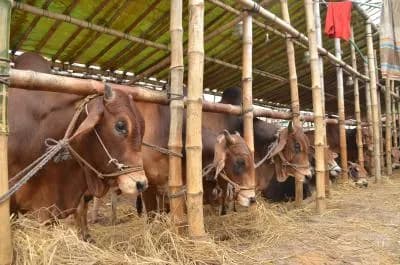
Pakistan’s worsening nutrition crisis and its growing economic impact have come under sharp focus as experts warn that weaknesses in the country’s dairy sector are contributing to rising malnutrition, food insecurity and productivity losses. During a stakeholder dialogue hosted by the Pakistan Medical Association in Lahore, industry leaders and nutrition experts called for urgent reforms in dairy formalisation, food safety systems and school nutrition programmes.
Experts highlighted that despite Pakistan producing more than 72 billion litres of milk annually and being among the world’s largest milk-producing and milk-consuming nations, the country continues facing severe levels of stunting and micronutrient deficiencies. Dr Muhammad Nasir from the Punjab Agriculture, Food and Drug Authority (PAFDA) stated that major gaps in food safety, supply chain formalisation and quality assurance are preventing Pakistan from fully utilizing its dairy potential.
Officials warned that contamination, adulteration and the dominance of unsafe informal milk systems are undermining nutritional outcomes and public health. Dr Nasir stated that “there is something fundamentally wrong in the system” when a country producing such large quantities of milk still suffers widespread nutrition challenges. He added that malnutrition and stunting are directly linked to economic decline and lower productivity.
Farah Naz from the Global Alliance for Improved Nutrition (GAIN) said the crisis is particularly affecting women and children, with high levels of deficiencies in vitamin D, calcium, zinc and iron. She noted that nearly 40% of children under five in Pakistan suffer from stunted growth, while UNICEF estimates around 10 million Pakistani children are affected by stunting.
According to experts, only around 2% of Pakistan’s milk is processed through formal dairy channels, while the majority continues flowing through informal systems with weak quality control and safety oversight. Farah Naz also called for reducing GST on packaged milk from 18% to 5% to improve affordability and support safer formal dairy systems. She warned that failure to invest in nutrition could cost Pakistan nearly US$7.6 billion in GDP losses.
Industry stakeholders including Tetra Pak also highlighted the importance of school feeding programmes and safe milk access. Officials noted that the Punjab School Meal Programme currently supports over one million children through milk and nutritional assistance in schools. Experts believe stronger dairy formalisation, food safety enforcement and nutrition-focused policies will be critical for improving long-term health outcomes and strengthening Pakistan’s dairy economy. (Business Recorder)
Source: Dairynews7x7 19 May, 2026 Read full story here
#PakistanDairy #NutritionCrisis #FoodSafety #MilkAdulteration #DairyIndustry #ChildNutrition #Dairynews7x7