Latest Blogs
See More



he dairy sector is showing signs of renewed strength as global consumption patterns rebound and diversified demand drivers push the category back into growth momentum, according to the latest AgProud analysis. After a period of stagnation in some mature markets and volatility in commodity prices, dairy is again attracting attention from processors, retailers and investors who see expanding opportunities across product segments, price points and geographies. This resurgence is being driven by a mix of nutrition trends, innovation adoption, shifting consumer preferences and stronger fundamentals in select regions.
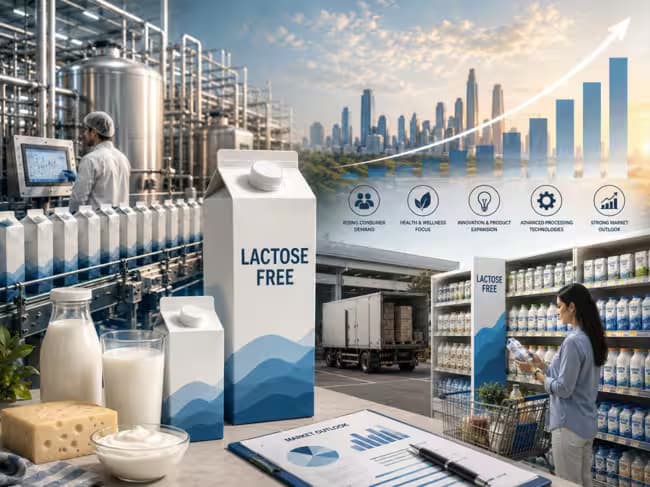
Premium dairy products — including cheeses, yoghurts, fermented milks and fortified beverages — are outperforming basic fluid milk categories in many markets, reflecting evolving preferences among health-conscious consumers. While traditional liquid milk consumption in parts of Europe and North America has plateaued, total dairy demand has been buoyed by ingredient functions in foodservice, bakery and specialised nutrition, where dairy proteins and fats play key roles in texture, flavour and nutritional value. This diversification of dairy demand underscores a broader shift from pure volume growth to value-driven expansion.
Emerging markets in Asia, Latin America and Africa are also contributing to this momentum. Rising incomes, urbanisation and increased access to refrigeration and distribution infrastructure are enabling more frequent and higher-value dairy consumption. In China, for example, growing interest in cheese and yoghurt among young consumers complements continued strong demand for staple products; in India and Southeast Asia, rising affordability is lifting consumption of packaged dairy among middle-income households.
Innovation is another central theme in the dairy revival narrative. Dairy processors globally are investing in next-generation production technologies, including advanced membrane systems, precision fermentation for specialty proteins, and digital herd and supply-chain management tools that enhance efficiency and product quality. On the product side, formulation advances in high-protein, low-sugar, probiotic and clean-label dairy products are meeting consumer demand for healthier and more functional foods, helping dairy compete with alternatives.
The sustainability agenda is reshaping dairy value chains as well. Carbon footprint disclosure, water-use efficiency and regenerative agriculture practices are becoming commercially relevant as buyers and brand partners seek credible environmental credentials. Early movers who have integrated traceability and transparent sustainability reporting into their operations are finding premium market positioning and differentiated investor interest.
Despite this broader positive momentum, challenges remain — including feed cost inflation, weather-linked variability in milk production and capacity constraints in processing infrastructure. For Indian dairy, these global dynamics offer both opportunities and cautionary signals. India’s position as the world’s largest producer and a rapidly growing consumer market gives it a solid base, but scalability in value-added and export segments will require strengthened quality compliance, innovation adoption and market linkage strategies.
In summary, the dairy industry is “having a moment again” as demand diversifies, premium categories strengthen, and innovation and sustainability come to the fore. The prospects are encouraging, particularly for players who combine operational excellence with differentiated product strategies and global market engagement.
Source : Dairynews7x7 Dec 19th 2025 Read full article here