Latest Blogs
See More


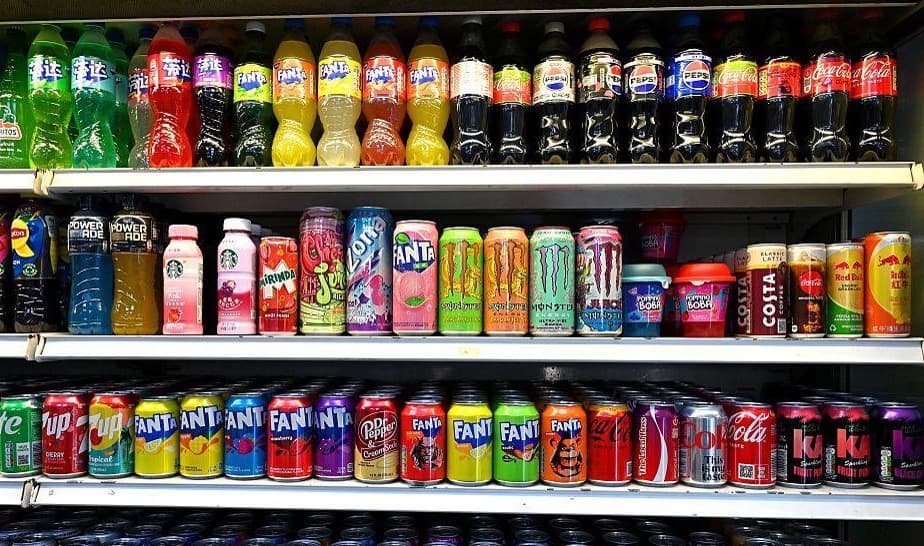
In a controversial policy shift, the government decided to extend the Soft Drinks Industry Levy (SDIL) to include milk-based drinks such as flavored milks, yogurt drinks, bottled milkshakes and similar pre-packaged dairy beverages.
The decision has drawn sharp criticism from industry representatives. Provision Trade Federation (PTF), which represents many food-processing and dairy-related firms in the UK supply/import trade, called the move “unwelcome but expected,” reflecting concern at the likely impact on the dairy sector’s pricing, demand, and supply-chain economics.
Under the revised levy rules, the threshold for added sugar in milk-based drinks has been lowered to 4.5 g per 100 ml (from 5 g), meaning many existing flavored or sweetened milk products could become liable for the levy. However, to partially mitigate the impact on natural milk sugars, the government has introduced a “lactose allowance” — naturally occurring lactose up to 4.5 g/100 ml will not count toward the levy threshold.
PTF’s Director General, Rod Addy, said that while dairy producers are supportive of efforts to curb added sugars, the inclusion of milk-based drinks under sugar-tax policies “adds complexity” and may penalize nutritious dairy products that have historically been exempt. The dairy industry argues that such drinks often support dietary nutrition, and taxing them may push producers to either reformulate (potentially harming taste or nutrition) or raise consumer prices — hitting households and farmers alike.
Because many dairy value-added products (flavoured milk, yogurts, shake drinks) depend on stable margins and volume sales to sustain supply chains — often including small and marginal dairy producers — the levy could ripple backwards and suppress demand for dairy-based drinks, reduce producer revenues, and pressure processing firms.
There is also market distortion risk: while natural milk remains exempt, any added sugar could push a product into taxed territory — complicating labeling, formulation, and costing for manufacturers. For consumers, especially in price-sensitive regions, this could mean higher retail prices, or less availability of fortified/flavoured milk.
Dairy-based drinks are nutritionally dense (calcium, protein, fats) — unlike typical soft drinks; taxing them on sugar content may treat them like sugary sodas.
The “lactose allowance” helps, but many flavored milks use added sugars over and above lactose, which penalizes products disproportionately.
Producers fear reformulation costs or compromised quality; smaller dairy enterprises and cooperatives supplying such drinks may struggle with compliance and cost burdens.
For farmers supplying milk to these value-added drinks, reduced demand or lower margins may directly impact livelihoods.