Latest Blogs
See More

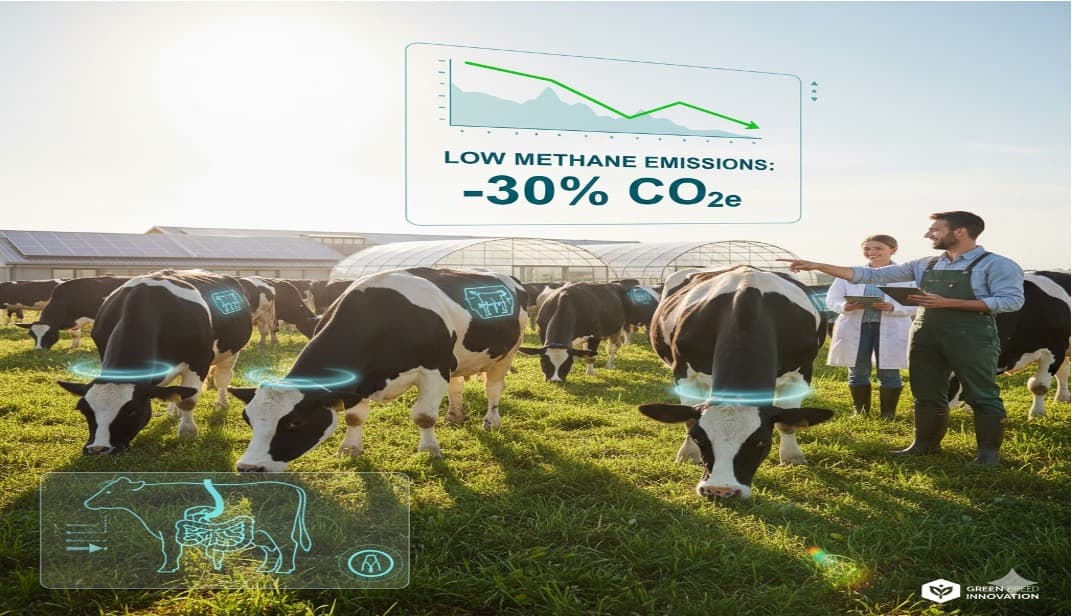
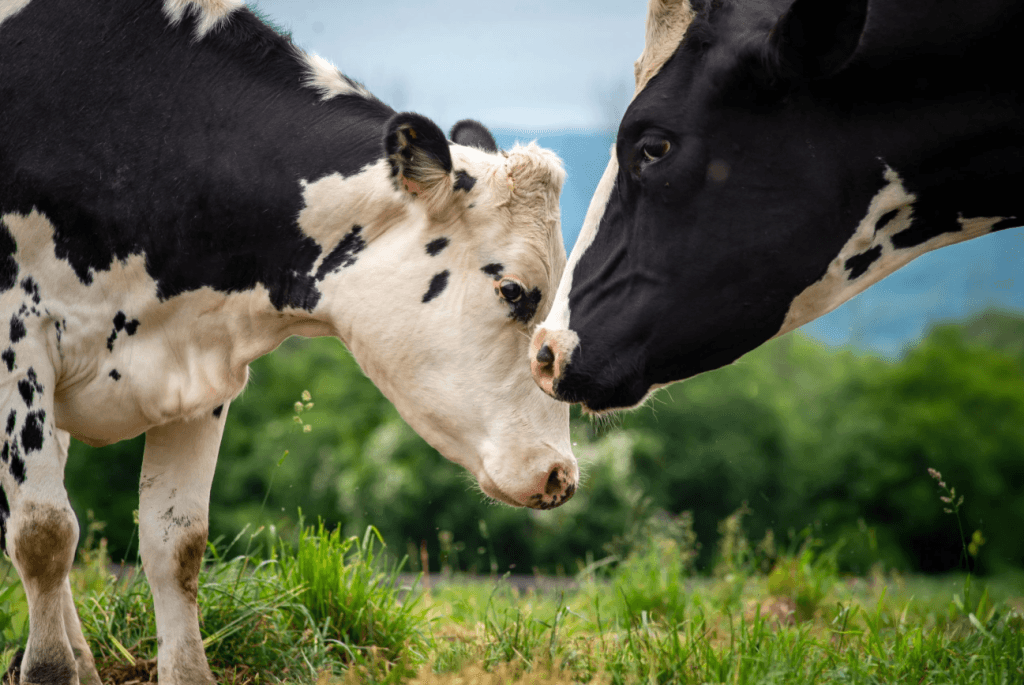
Researchers in the UK are working on an innovative project known as the Cool Cows initiative, which aims to reduce methane emissions from dairy cows by using genetic selection and in-vitro fertilisation (IVF) to breed animals that naturally emit less methane.
According to the reporting, each new generation of cows bred under this programme could reduce emissions by about 2 % per generation, potentially achieving up to a 40 % reduction over a two-decade period.
The work is being done in Scotland, where researchers are measuring the burps and eructations of cows—these behaviours account for a large share of livestock methane emissions—so that animals with lower emissions can be identified and bred.
The article frames dairy farming as not just a contributor to greenhouse gases, but also as part of the climate-solution pipeline: if the sector can innovate in herd genetics, management and feed strategies, it may turn livestock into a net climate contributor rather than merely a source of emissions.
Emission intensity is becoming a key metric: As global and Indian dairy value chains increasingly target net-zero or reduced greenhouse gas footprints, tools like genetic selection for low-methane cows become relevant.
Feed, herd management and genetics converge: The project highlights that mitigation is multi-pronged—genetics + feed additives + breeding programmes will all play a role.
Implications for export & sustainability credentials: For countries like India seeking to enter higher-value dairy export markets, demonstrating low-carbon credentials could become a differentiator.
Laboratories and testing dimension: Measuring methane emissions, eructation profiles and animal respiration will require advanced analytics and specialised instrumentation—an area where dairy labs (like yours) might expand services.