Latest Blogs
See More


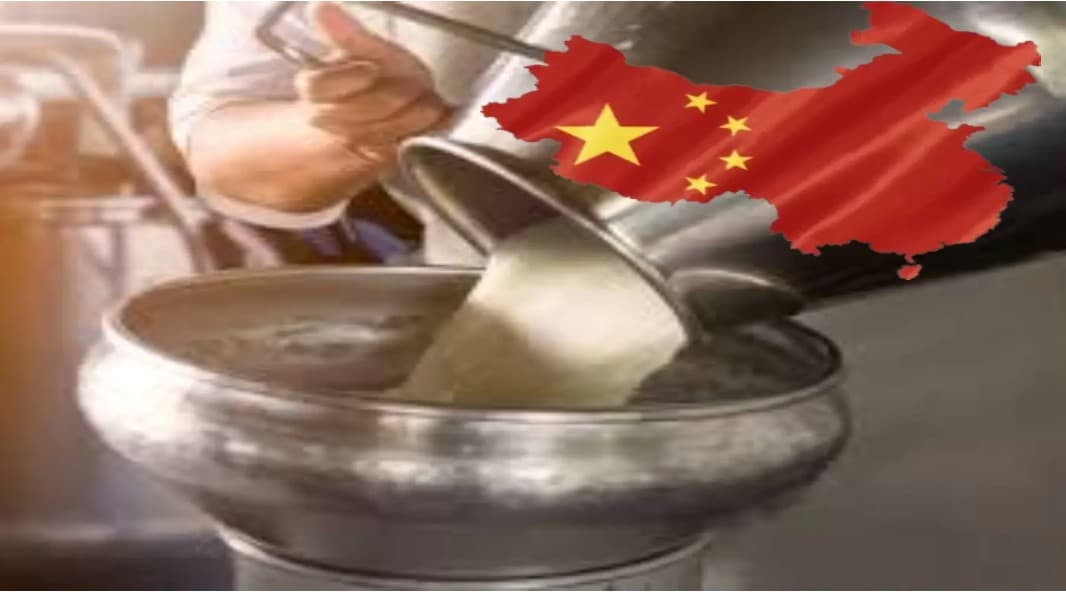
China’s dairy industry is grappling with a massive surplus of milk as production continues to rise while domestic demand weakens. After years of aggressive herd expansion and government-backed self-sufficiency drives, the country is now facing one of its largest oversupply situations in recent memory.
According to recent reports, China’s milk output has reached nearly 42 million tonnes—exceeding the government’s 2025 target of 41 million tonnes. However, per capita milk consumption has dropped from around 14.4 kg in 2021 to about 12.4 kg in 2022. Sluggish economic growth and a falling birth rate have further dampened fluid milk demand, leaving processors and farmers struggling to absorb the excess supply.
Raw milk prices have tumbled below the cost of production, estimated at around 3.8 yuan per kilogram. Many farms are now operating at a loss, with smaller players forced to cull cows or close operations altogether. Despite the glut, exports offer little relief due to China’s higher production costs, dependency on imported feed, and lingering reputation issues following past food safety scandals.
To stabilize the market, authorities have asked large farms to reduce herd sizes and improve productivity efficiency. Analysts expect the surplus to persist through at least the first half of 2025. The Ministry of Agriculture has signaled measures to optimize regional production and promote processing of surplus milk into powder and long-shelf-life products.
For global dairy markets, China’s situation sends mixed signals. The world’s second-largest economy may reduce imports of bulk dairy commodities, though demand could remain steady for premium and specialty products. For India, the episode serves as a reminder that sustainability, value addition, and consumer-driven innovation—not sheer volume—will define the next phase of dairy growth.
Source : DAirynews7x7 Nov 7th 2025 The Economist