Latest Blogs
See More

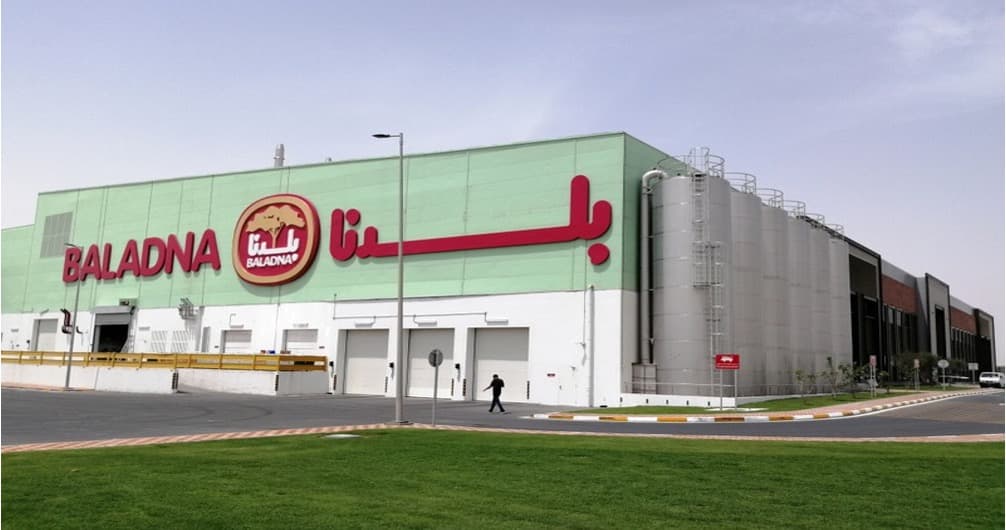
Qatar’s Baladna food group is launching a massive dairy project in Algeria, investing US$3.5 billion to build what it calls the world’s largest dairy complex. The initiative will be built on a 117,000-hectare farm in the Adrar region, housing 270,000 cows and producing 200,000 tonnes of powdered milk annually. Construction is slated to begin in 2026, with powdered milk output expected by late 2027. The project aims to cut Algeria’s dairy import bill — particularly powdered milk — by about half and expects to generate approximately 5,000 jobs. Algeria currently imports over 400,000 tonnes of dairy products yearly, valued at nearly $800 million.
Industry Insight:
Import substitution & regional dairy geopolitics: This project signals a strong move by Algeria to reduce dependence on dairy imports, especially powdered milk. It could shift import flows in North Africa and possibly reduce market opportunity for dairy‐exporting countries targeting Algeria (including India). Since powdered milk is a major import, local production of 200,000 tonnes p.a. represents a significant incremental capacity.
Scale & technology demands: Such a large farm with 270,000 cows will require substantial feed imports or local feed production. Algeria will need to ensure supply of fodder, maize/grains, and other feed materials. There may be opportunities for feed exporters and seed companies, especially for high-yield forage, maize, or concentrates, if local supply is insufficient.
Timeline & competitive threat: With production expected by late 2027, this is a medium-term development. For countries exporting dairy powders now or involved in powdered milk trade with Algeria, this provides a warning window to adapt – either by shifting to other markets or by offering value‐added dairy lines less easily substituted by local production.
Broader implications for export-based dairy exporters: Balanced with India’s push for dairy exports to Africa, this kind of large capex in other African countries could increase competition. Dairy exporters should monitor whether similar projects emerge in other import-reliant countries, to assess risk to powder exports and identify new partners (e.g., supplying feed, seed, equipment for such complexes).