Logo
IndianGlobalBlogsPublicationsPodcastsMarketAboutContact
Logo
IndianGlobalBlogsPublicationsPodcasts
7News
WHO Issues Global Call for Data on Fatty Acid Composition of Bovine MilkMondelez India Cuts Ad Budget as Profits Collapse in FY255 Year Budget Plan to Make Indian Dairy Global Leader in 2047Heritage Foods Seeks Policy Support for Dairy in FY 27 budget20% Drop in Nitrogen Fertiliser Use on Dairy Farms

Indian Dairy News

Mondelez India Cuts Ad Budget as Profits Collapse in FY25
Jan 16, 2026

Mondelez India Cuts Ad Budget as Profits Collapse in FY25

Mondelez India Foods Ltd., the maker of Cadbury Dairy Milk, Oreo, 5 Star and other confectionery brands, reported a sharp plunge in profitability in fiscal year 2025, prompting a reduction in advertis...Read More

Heritage Foods Seeks Policy Support for  Dairy in FY 27 budget
Jan 15, 2026

Heritage Foods Seeks Policy Support for Dairy in FY 27 budget

Heritage Foods Ltd., a leading organised dairy company, has appealed to the government for targeted policy support in the Union Budget 2026–27 to accelerate growth in India’s organised dairy sector. C...Read More

Protect Cattle from Cold Wave, Expert Urges Dairy Owners
Jan 14, 2026

Protect Cattle from Cold Wave, Expert Urges Dairy Owners

As severe cold and dense fog continue across Punjab, livestock experts from Guru Angad Dev Veterinary and Animal Sciences University (GADVASU) have issued urgent guidelines for dairy owners to protect...Read More

DairyNews7x7
Advertisement

Latest Blogs

See More
5 Year Budget Plan to Make Indian Dairy Global Leader in 2047
Jan 15, 2026

5 Year Budget Plan to Make Indian Dairy Global Leader in 2047

I recently moderated a key session on India Dairy Vision 2047 at the TPCI's International Dairy Processing Conference 2026, gaining valuable insights from panellists. This led to me developing policy...Read More

From Forecast to Fact: 2025 Lessons, 2026 Dairy Outlook
Jan 01, 2026

From Forecast to Fact: 2025 Lessons, 2026 Dairy Outlook

As we step into 2026, it is worth pausing to reflect on how the Indian dairy sector navigated the challenges of 2025 and how closely reality tracked the forecasts I outlined in the first blog of last...Read More

India–NZ Dairy FTA: Safeguards or Silent Slippages?
Dec 26, 2025

India–NZ Dairy FTA: Safeguards or Silent Slippages?

The recently concluded India–New Zealand Free Trade Agreement (FTA) marks an important milestone in bilateral trade, while carefully ring-fencing India’s sensitive dairy sector. Under the agreement, c...Read More

Vision 2047: India’s Dairy Development Roadmap
Dec 21, 2025

Vision 2047: India’s Dairy Development Roadmap

As India moves steadily toward Vision 2047, the dairy sector stands at a strategic inflection point. From being a food security instrument in the decades following Independence, dairy has evolved into...Read More

Global Dairy News

WHO Issues Global Call for Data on Fatty Acid Composition of Bovine Milk
Jan 16, 2026

WHO Issues Global Call for Data on Fatty Acid Composition of Bovine Milk

The World Health Organization (WHO) has issued a public call for data on the fatty acid composition of bovine milk, seeking comprehensive global information on the types and amounts of fatty acids — i...Read More

20% Drop in Nitrogen Fertiliser Use on Dairy Farms
Jan 14, 2026

20% Drop in Nitrogen Fertiliser Use on Dairy Farms

Dairy farms in New Zealand have recorded a roughly 20% reduction in nitrogen fertiliser use over the past few years, reflecting a combination of regulatory limits, higher input prices and changes in f...Read More

World Pays More, Demands More: New Frontier of Dairy Trade
Jan 12, 2026

World Pays More, Demands More: New Frontier of Dairy Trade

Higher prices, tighter rules and an uncomfortable truth for the industry: without compliance, there is no market The start of 2026 has delivered a signal the global dairy industry cannot afford to ign...Read More

DairyNews7x7
Advertisement
Dairy News 7x7

Your trusted source for all the latest dairy industry news, market insights, and trending topics.

FOLLOW US
CATEGORIES
  • Global News
  • Indian News
  • Blogs
  • Publications
  • Podcasts
SUBSCRIBE TO OUR NEWSLETTER

Stay informed with the latest updates and trending news in the dairy industry.

No spam, unsubscribe at any time

GET IN TOUCH
C-49, C Block, Sector 65,
Noida, UP 201307
+91 7827405029dairynews7x7@gmail.com

© 2026 Dairy News 7x7. All Rights Reserved.

Terms of ServicePrivacy Policy

WHO Issues Global Call for Data on Fatty Acid Composition of Bovine Milk

By DairyNews7x7•Published on January 16, 2026

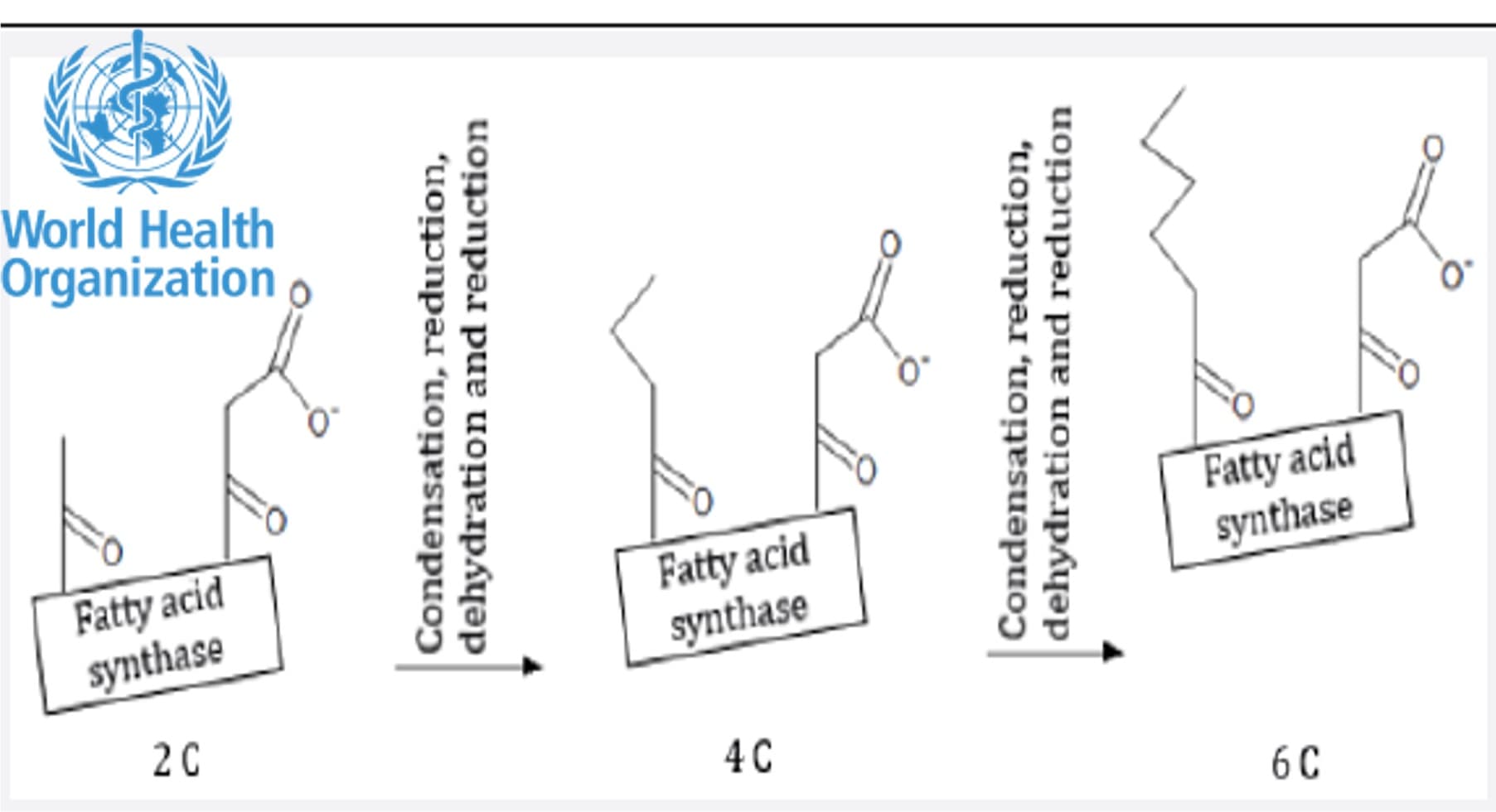
The World Health Organization (WHO) has issued a public call for data on the fatty acid composition of bovine milk, seeking comprehensive global information on the types and amounts of fatty acids — including butyric acid (C4:0) and ruminant trans-fatty acids (R-TFAs) — in whole milk, milk powder and milk fats. This data initiative, open to submissions from all countries, aims to improve understanding of milk fat profiles in relation to public health guidelines and nutritional assessment. Deadline for data submission is 15 July 2026.

Fatty acids are the building blocks of milk fat and influence both nutritional quality and health outcomes. Bovine milk contains a complex mix of fatty acids — often around 400 different types — with a majority being saturated fatty acids (SFA), significant levels of monounsaturated fatty acids (MUFA) and smaller proportions of polyunsaturated fatty acids (PUFA) and trans fatty acids (TFAs). In typical bovine milk fat, about 25% are MUFAs, ~2–5% are PUFAs and roughly 2–3% are TFAs; short-chain acids like butyric acid (C4:0) are also present and have distinct metabolic roles.

WHO’s request is set against broader global nutrition and public health efforts to differentiate between industrially produced TFAs (IP-TFAs) and naturally occurring ruminant TFAs (R-TFAs), since the former are linked with cardiovascular risk while the latter — found naturally in dairy and meat — have a different metabolic profile. WHO’s existing REPLACE action framework aims to eliminate industrial TFAs from the food supply, and better global fatty acid data from milk will support countries in policy development and nutritional guidance.

For the dairy sector, this initiative highlights the scientific importance of understanding milk fat composition — not just overall fat levels but detailed profiles of individual fatty acids that can affect both product nutrition messaging and health research. Global participation in this data collection could enhance nutrition labelling standards and help regulators and industry better position dairy products in dietary policy frameworks.

Source : Dairynews7x7 Jan 16th 2026 Read full story here

Swipe to continue reading

Previous Article

Next Article