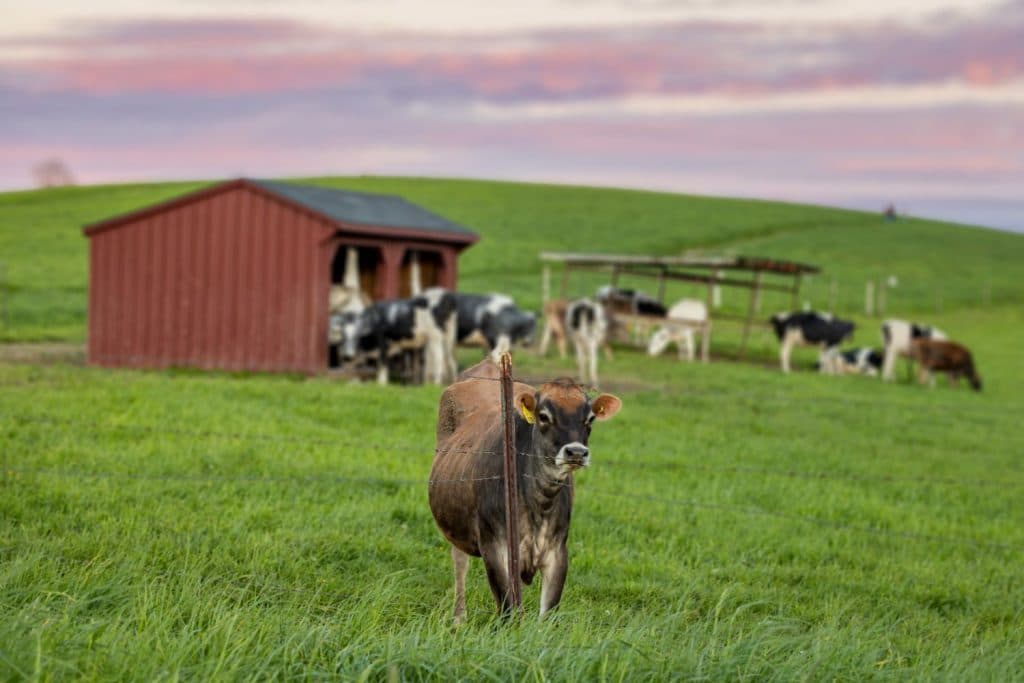
The US dairy industry is facing a growing replacement heifer shortage, raising concerns about future milk supply growth despite current record milk production levels. Recent industry reports indicate that dairy heifer inventories have fallen to historically low levels, with replacement heifers expected to calve totaling approximately 2.5 million head—the lowest since USDA began tracking the data in 2001. Total dairy heifer numbers have also declined to around 3.9 million head, marking the smallest inventory since 1978.
Analysts attribute the trend largely to the rapid expansion of beef-on-dairy breeding programs, which have encouraged farmers to produce higher-value beef-cross calves rather than dairy replacements. As a result, heifer values have surged in several regions, with some springing heifers reportedly exceeding US$4,000 per head.
Industry experts warn that shrinking replacement inventories could limit herd expansion and constrain milk production growth through at least 2027, particularly as more than US$10 billion in new dairy processing capacity is scheduled to come online in the coming years. While dairy farmers are increasingly using sex-sorted semen to rebuild heifer numbers, analysts believe inventories may continue to tighten before recovering. The situation highlights the growing influence of breeding decisions, beef market dynamics, and replacement animal availability on the future competitiveness and supply outlook of the US dairy sector. (dairyherd.com)
Source: Dairynews7x7 20 June, 2026 Read full story here
#DairyHeifers #MilkProduction #DairyFarming #USDairy #DairyMarkets #LivestockManagement #DairyNews7x7